
Hāngī
Food slow-cooked in an earth oven with hot stones, a Māori tradition
Hāngī is a way of cooking used by Māori in New Zealand, where food is steamed underground over heated stones. Meats like lamb, pork, chicken, and seafood, along with root vegetables and greens, are layered in baskets and buried to cook for several hours. Hāngī is often prepared for gatherings and special events.
- Food is cooked underground over hot stones for several hours
- Commonly made for gatherings and special occasions
- Uses meats, seafood, and a mix of root and leafy vegetables
- Modern hāngī can use gas-heated ovens instead of pits
- Tradition handed down through generations in New Zealand
What is Hāngī?
Hāngī is a communal meal where a variety of meats and vegetables are cooked together in a pit oven. The food, placed in baskets, is steamed by the heat from hot stones buried underground. Typical ingredients include cuts of meat such as lamb, pork, and chicken, as well as seafood and a mix of root and leafy vegetables. The result is a tender, smoky meal with a subtle earthy aroma, often served at large gatherings.
Where does Hāngī come from?
This method of cooking has been practiced by Māori people in New Zealand for generations. The basic technique involves using a pit oven, known as an umu, and has roots in Polynesian earth oven traditions. Over time, the approach evolved, with early versions using leaves and bark to wrap the food before metal baskets and cloth became common. Hāngī remains a symbol of Māori heritage and hospitality.
How is Hāngī made?
To prepare a hāngī, a pit is dug and filled with stones, which are heated by burning logs for several hours. Once the stones are hot, baskets filled with prepared meats and vegetables are stacked on top. The baskets are covered with wet sacks or cloths, then buried with earth to trap the steam and heat. The food cooks underground for two to four hours before being unearthed and served.


How and when is Hāngī eaten?
Hāngī is usually made for large groups, especially during celebrations, ceremonies, or community events. The meal is shared, often as part of a welcoming ceremony or festive gathering. After the food is lifted from the pit, it is carved and served buffet-style. The setting is informal, with people gathering to enjoy the meal together.
Kinds of Hāngī
While the traditional hāngī uses a wood fire and stones in a pit, modern versions sometimes use gas-heated ovens to mimic the effect. The types of meat and vegetables can vary, and seafood is sometimes included. In the past, natural materials like leaves were used to line baskets, but today aluminium foil and wire baskets are common.
What Hāngī means
Hāngī is closely tied to Māori identity and is a feature of important cultural occasions. It is often part of ceremonies such as pōwhiri, where guests are welcomed with food. The method has inspired songs and even commercial products, such as hāngī-flavoured snacks and pizzas. Preparing and sharing a hāngī is a way to celebrate community and tradition.
Questions people ask about Hāngī
What is hāngī made of?
Hāngī typically includes meats such as lamb, pork, chicken, and seafood, along with vegetables like potato, sweet potato, oca, pumpkin, squash, taro, and cabbage.
Where does hāngī come from?
Hāngī is a traditional cooking method of the Māori people of New Zealand, with roots in Polynesian earth oven practices.
How is hāngī cooked?
Food is placed in baskets, set over hot stones in a pit, covered with wet sacks and earth, and steamed underground for two to four hours.
When is hāngī usually served?
Hāngī is often prepared for large gatherings, festivals, weddings, and cultural ceremonies, especially when many people are present.
Can hāngī be made without a pit?
Yes, some modern versions use gas-heated ovens designed to replicate the traditional steaming and smoky flavour.
Good reading and sources
The facts on this page come from the Wikipedia article "Hāngī", written by its contributors and used under the CC BY-SA 4.0 licence, and from its Wikidata record (CC0). Thali rewrote the text in its own words, with AI assistance, and compares every page with the article to make sure no passage is copied. It may be reused under the same CC BY-SA 4.0 licence with a link back.
It may contain mistakes, and it is not dietary or allergy advice: recipes differ from cook to cook. If something is wrong, tell us. Last refreshed 2026-10-03.
More from New Zealand
All the food of New Zealand Fish and chipsFish or seafood
🇬🇧 United Kingdom and 8 moreBattered fried fish served hot with thick-cut chips
Main dish, Lunch, Dinner
Fish and chipsFish or seafood
🇬🇧 United Kingdom and 8 moreBattered fried fish served hot with thick-cut chips
Main dish, Lunch, Dinner
 Pie
🇬🇧 United Kingdom and 5 moreA baked dish with a pastry crust and sweet or savoury filling
Main dish, Lunch, Dinner
Pie
🇬🇧 United Kingdom and 5 moreA baked dish with a pastry crust and sweet or savoury filling
Main dish, Lunch, Dinner
 KabochaVeganカボチャ
🇯🇵 Japan and 5 moreA sweet, dense winter squash with edible skin, used in Japanese and Asian cooking
Main dish, Lunch, Dinner
KabochaVeganカボチャ
🇯🇵 Japan and 5 moreA sweet, dense winter squash with edible skin, used in Japanese and Asian cooking
Main dish, Lunch, Dinner
 Haggistaigeis
🇬🇧 United Kingdom and 4 moreA savoury pudding of sheep offal, oats and spices, boiled in a casing
Main dish, Dinner
Haggistaigeis
🇬🇧 United Kingdom and 4 moreA savoury pudding of sheep offal, oats and spices, boiled in a casing
Main dish, Dinner
Its cousins elsewhere
All main dishes PachamancaMeat
🇵🇪 Peru and 1 moreAndean meats and vegetables slow-cooked with hot stones in an earthen oven
Main dish, Lunch, Dinner
PachamancaMeat
🇵🇪 Peru and 1 moreAndean meats and vegetables slow-cooked with hot stones in an earthen oven
Main dish, Lunch, Dinner
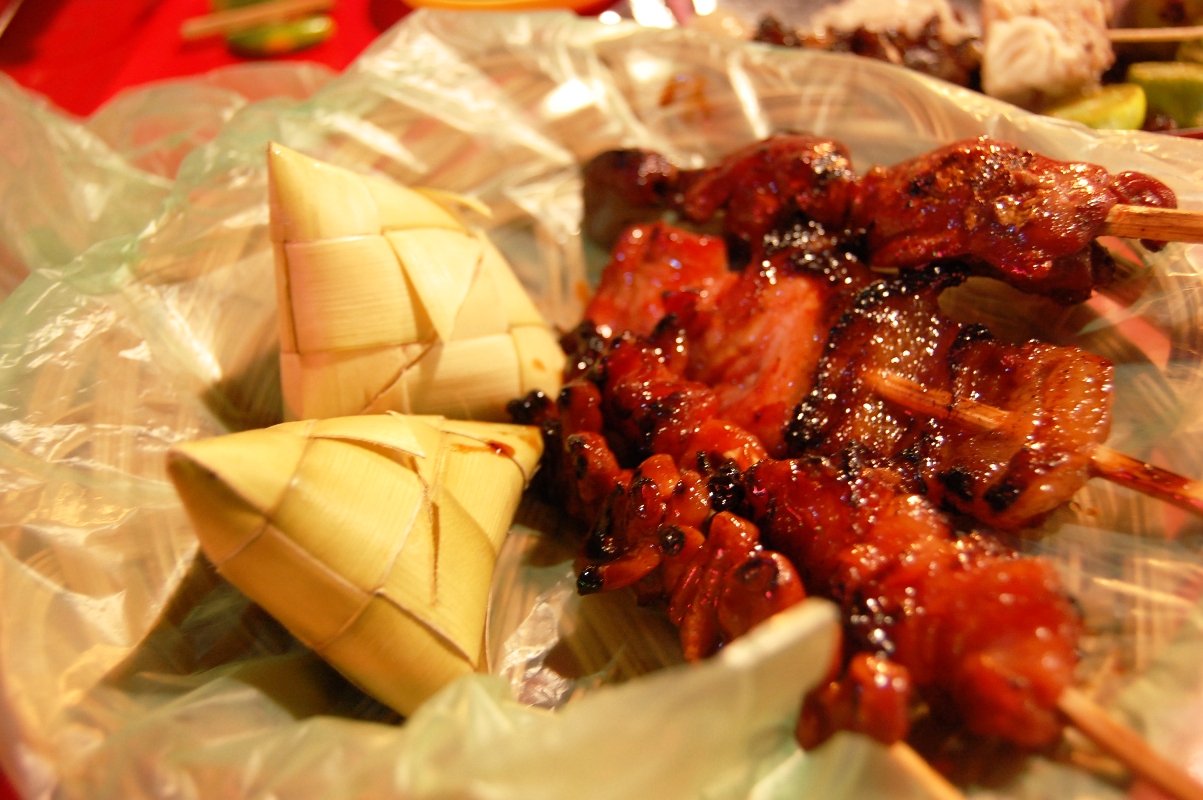 Inihaw
🇵🇭 PhilippinesGrilled meats and seafood, often on skewers, from the Philippines
Main dish, Lunch, Dinner
Inihaw
🇵🇭 PhilippinesGrilled meats and seafood, often on skewers, from the Philippines
Main dish, Lunch, Dinner
 Khinkaliხინკალი
🇬🇪 GeorgiaGeorgian dumplings with spiced meat or vegetable filling and a juicy broth inside
Dumpling, Lunch, Dinner
Khinkaliხინკალი
🇬🇪 GeorgiaGeorgian dumplings with spiced meat or vegetable filling and a juicy broth inside
Dumpling, Lunch, Dinner
 MantiMeat
🇺🇿 Uzbekistan and 5 moreSpiced meat dumplings wrapped in thin dough, steamed, boiled or baked
Dumpling, Lunch, Dinner
MantiMeat
🇺🇿 Uzbekistan and 5 moreSpiced meat dumplings wrapped in thin dough, steamed, boiled or baked
Dumpling, Lunch, Dinner