
Coffee
A dark, bitter drink made by brewing roasted coffee beans
Coffee is a drink made by steeping ground, roasted beans from the Coffea plant in hot water. It is known for its strong, slightly bitter taste and stimulating effect from caffeine. Coffee first became popular in Yemen in the 15th century and is now enjoyed worldwide, served hot or cold and often with milk or sugar.
- Coffee is made by brewing roasted beans from the Coffea plant
- It originated as a drink in Yemen in the 15th century
- Coffee can be served hot or iced, often with milk or sugar
- The two main types of beans are arabica and robusta
- Brazil is the world's largest coffee producer
What is Coffee?
Coffee is a beverage made by brewing ground, roasted seeds from the Coffea plant. The drink is usually a deep brown or black color and has a distinct, somewhat bitter flavor. It is often served hot, but can also be chilled or poured over ice. Many people add milk, cream, or sugar to soften its taste. The main active ingredient is caffeine, which gives coffee its stimulating effect. Decaffeinated versions are also available. Coffee is enjoyed in many forms, from simple black coffee to espresso, lattes, and canned varieties.
Where does Coffee come from?
Coffee drinking began in Yemen, where Sufi communities used it to stay awake during rituals in the 15th century. The beans likely came from Ethiopia, where wild Coffea plants grow. From Yemen, coffee spread to the Middle East and North Africa, and then to Europe and Asia through trade. Mocha and Aden were important ports for shipping coffee. By the 17th century, coffee was being grown in Java and later in the Americas. Over time, coffee became a global commodity, with Brazil, Vietnam, and Indonesia now among the top producers.
How is Coffee made?
To make coffee, ripe coffee cherries are picked from the Coffea plant. The seeds, called beans, are removed, dried, and roasted to develop flavor and aroma. The roasted beans are then ground into fine particles. Hot water is poured over the grounds, extracting the flavors and caffeine. The liquid is separated from the grounds, usually by filtering. Coffee can be prepared in many ways, such as using a French press, espresso machine, or simply steeping and straining.


How and when is Coffee eaten?
Coffee is most often drunk in the morning or as a pick-me-up during the day. It is served in mugs or cups, sometimes passed around and shared. People may drink it plain or add milk, cream, or sweeteners. In some cultures, coffee is enjoyed in social gatherings or at coffeehouses. It is also common to pair coffee with pastries or light snacks. Both hot and iced versions are popular, depending on preference and climate.
Kinds of Coffee
There are many ways to prepare and serve coffee. Espresso is a concentrated form, while lattes and cappuccinos include steamed milk. Some regions have their own styles, such as Turkish coffee, which is unfiltered and often sweetened. Instant and canned coffees offer convenience. Decaffeinated coffee is made by removing most of the caffeine. The two main types of beans are arabica, known for milder flavor, and robusta, which is stronger and more bitter.
What Coffee means
Coffee has played a role in daily routines, social life, and trade for centuries. The first coffeehouses appeared in the Ottoman Empire, spreading to Europe and beyond. Coffee is now a symbol of hospitality and conversation in many places. It is also a major global industry, with billions spent each year. Despite its popularity, coffee farming has been linked to environmental and social challenges, including deforestation and poverty among growers.
Questions people ask about Coffee
What is coffee made from?
Coffee is made by brewing ground, roasted seeds from the Coffea plant, known as coffee beans, with hot water.
Where did coffee originate?
Coffee drinking began in Yemen in the 15th century, using beans that likely came from wild Coffea plants in Ethiopia.
How is coffee usually served?
Coffee is most often served hot, but can also be iced. People commonly add milk, cream, or sugar to taste.
What are the main types of coffee beans?
The two most widely grown types are arabica, which is milder, and robusta, which has a stronger, more bitter flavor.
Which countries are known for producing coffee?
Brazil, Vietnam, Indonesia, Colombia, Yemen, and Ethiopia are major coffee producers today.
Good reading and sources
The facts on this page come from the Wikipedia article "Coffee", written by its contributors and used under the CC BY-SA 4.0 licence, and from its Wikidata record (CC0). Thali rewrote the text in its own words, with AI assistance, and compares every page with the article to make sure no passage is copied. It may be reused under the same CC BY-SA 4.0 licence with a link back.
It may contain mistakes, and it is not dietary or allergy advice: recipes differ from cook to cook. If something is wrong, tell us. Last refreshed 2026-10-03.
More from Yemen
All the food of Yemen Turkish coffeeVeganTürk kahvesi
🇹🇷 Turkey and 5 moreUnfiltered coffee brewed in a small pot and served with its fine grounds
Drink, Snacks
Turkish coffeeVeganTürk kahvesi
🇹🇷 Turkey and 5 moreUnfiltered coffee brewed in a small pot and served with its fine grounds
Drink, Snacks
 Kabsaكبسة
🇸🇦 Saudi Arabia and 4 moreRice and meat cooked with aromatic spices, a staple of the Arabian Peninsula
Main dish, Lunch, Dinner
Kabsaكبسة
🇸🇦 Saudi Arabia and 4 moreRice and meat cooked with aromatic spices, a staple of the Arabian Peninsula
Main dish, Lunch, Dinner
 Tulumba
🇪🇬 Egypt and 5 moreDeep-fried batter sticks soaked in sweet syrup
Sweet or dessert, Snacks
Tulumba
🇪🇬 Egypt and 5 moreDeep-fried batter sticks soaked in sweet syrup
Sweet or dessert, Snacks
 KosharyVeganكشرى
🇪🇬 Egypt and 2 moreA mix of rice, pasta, lentils and sauce topped with fried onions, from Egypt
Main dish, Lunch, Dinner
KosharyVeganكشرى
🇪🇬 Egypt and 2 moreA mix of rice, pasta, lentils and sauce topped with fried onions, from Egypt
Main dish, Lunch, Dinner
Its cousins elsewhere
All drinks MateVegan
🇵🇾 Paraguay and 3 moreHot infusion of yerba mate leaves, drunk with a metal straw from a gourd
Drink
MateVegan
🇵🇾 Paraguay and 3 moreHot infusion of yerba mate leaves, drunk with a metal straw from a gourd
Drink
 ThobwaVegan
🇲🇼 Malawi and 1 moreA fermented, milky cereal drink from Malawi and Zambia
Drink, Breakfast, Snacks
ThobwaVegan
🇲🇼 Malawi and 1 moreA fermented, milky cereal drink from Malawi and Zambia
Drink, Breakfast, Snacks
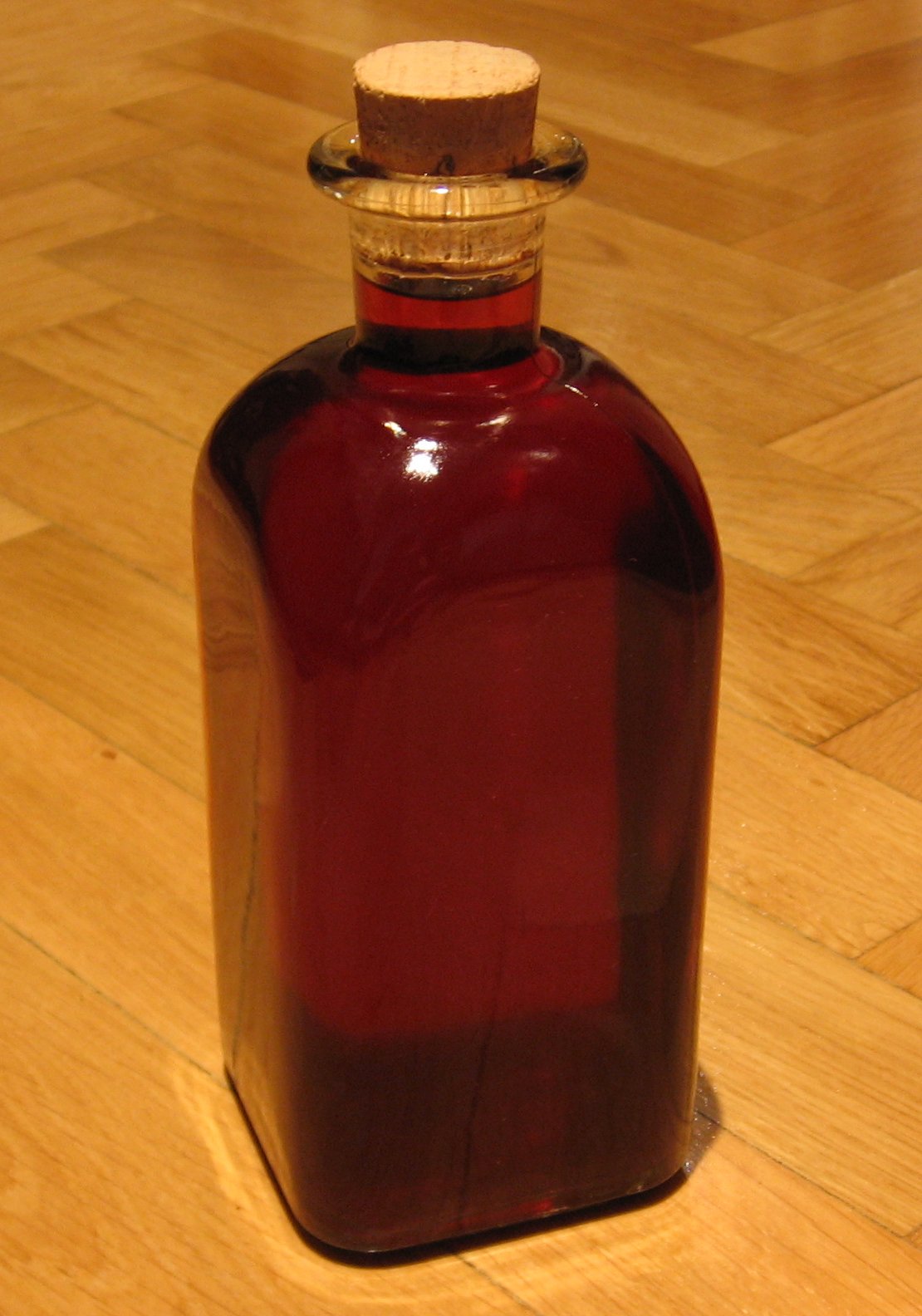 PatxaranVegan
🇪🇸 SpainA sweet liqueur made by steeping sloe berries in anisette
Drink
PatxaranVegan
🇪🇸 SpainA sweet liqueur made by steeping sloe berries in anisette
Drink
 Ice cream
🇺🇸 United States and 5 moreA frozen dessert made from sweetened, flavoured milk or cream
Sweet or dessert, Snacks
Ice cream
🇺🇸 United States and 5 moreA frozen dessert made from sweetened, flavoured milk or cream
Sweet or dessert, Snacks