Patxaran
A sweet liqueur made by steeping sloe berries in anisette
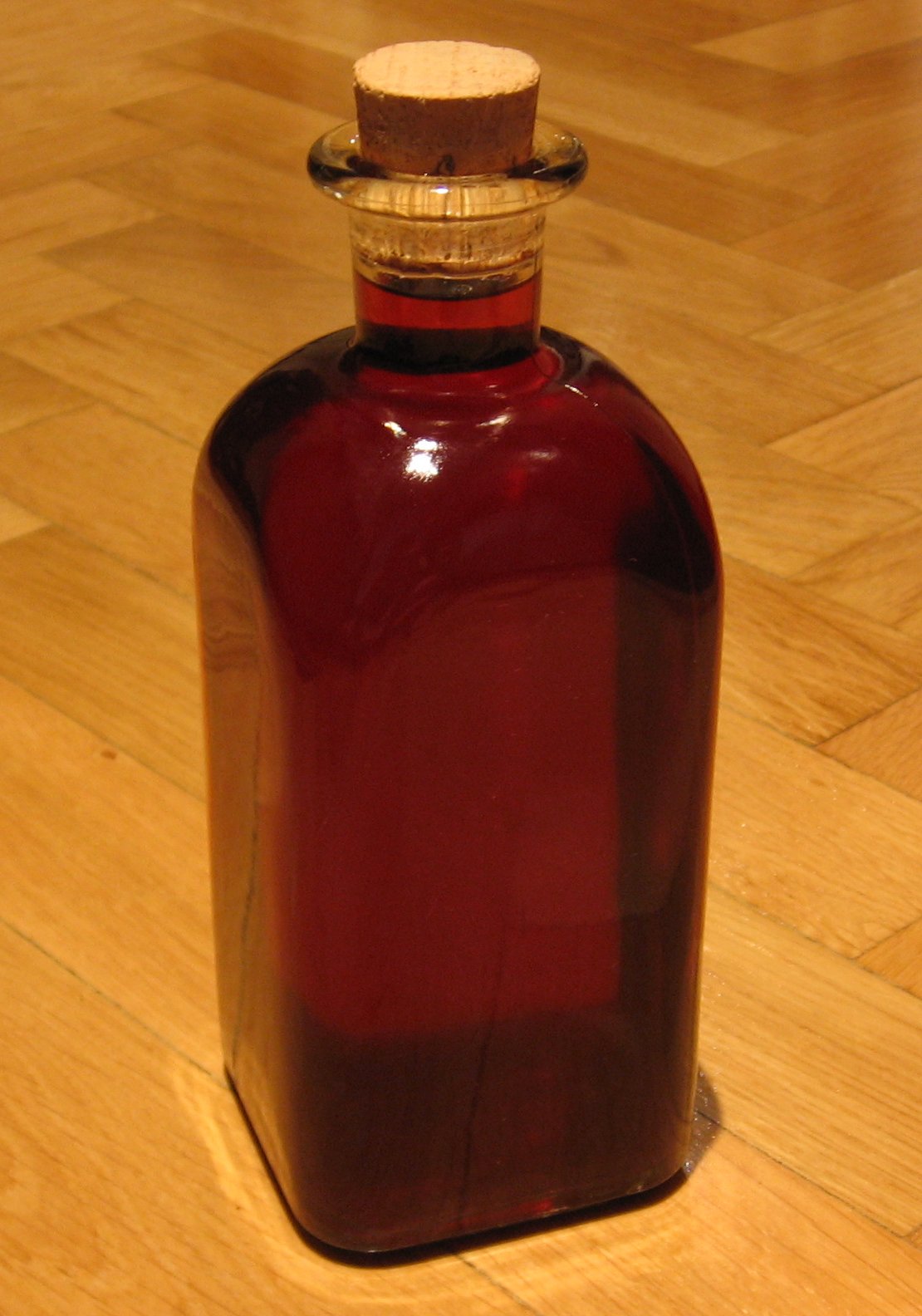
Patxaran is a fruit liqueur from Navarre and the Basque Country, made by infusing sloe berries in anisette. Traditionally enjoyed after meals, it has a reddish-brown color and a sweet, herbal taste. The drink is protected by a geographical indication, ensuring it is made in its region of origin.
- Made by steeping sloe berries in anisette for up to eight months
- Traditionally enjoyed in Navarre and the Basque Country
- Protected by a geographical indication (PGI)
- Contains about 25-30% alcohol by volume
What is Patxaran?
Patxaran is a sweet alcoholic drink made by soaking sloe berries, which come from the blackthorn bush, in anisette, a spirit flavored with anise. The mixture is sometimes combined with spices like cinnamon and coffee bean. The result is a reddish-brown liqueur with a gentle sweetness and herbal notes. It is typically served cold or with ice, and is known for its smooth, slightly fruity flavor.
Where does Patxaran come from?
Patxaran has roots in Navarre, where people have been making it since at least the Middle Ages. It began as a homemade drink in rural areas, especially in Navarre, and spread in popularity during the late 1800s. By the 1950s, it was being produced commercially and found fans beyond its original region. Today, Patxaran is protected by a geographical indication, which means only liqueur made and bottled in certain areas can use the name.
How is Patxaran made?
To make Patxaran, sloe berries are placed in anisette and left to steep for several months. Spices such as cinnamon and coffee bean are sometimes added to the mix. The maceration process lasts from one to eight months, depending on tradition and regulations. The final drink is filtered and bottled, resulting in a liqueur with about 25-30% alcohol by volume. Regulations forbid artificial colors or flavors.

How and when is Patxaran eaten?
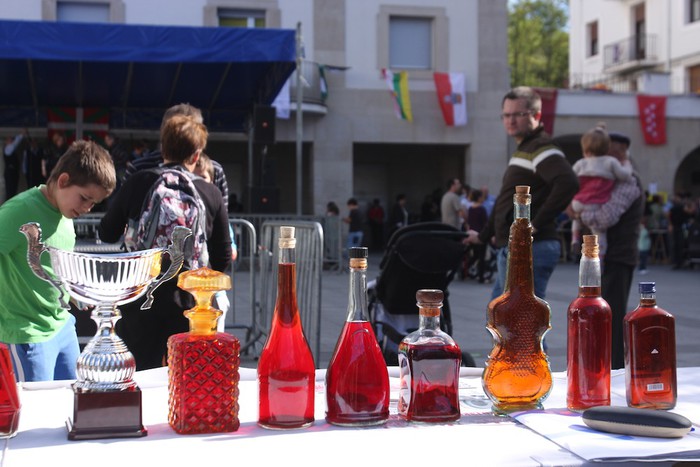
Patxaran is usually enjoyed after a meal as a digestif, either chilled or poured over ice. It is popular in social gatherings and family meals, especially in Navarre and the Basque Country. The drink is often sipped slowly to appreciate its sweet and herbal qualities. While it is not tied to a specific holiday or religious event, it is a common feature at celebrations and in local bars.
Kinds of Patxaran
While the basic method of making Patxaran is similar across producers, some brands may use slightly different proportions of sloes, spices, or anisette. The protected status ensures that the main ingredients and process remain traditional. Several commercial brands are available, each with its own subtle differences in taste and aroma.
What Patxaran means
Patxaran is closely linked to the identity of Navarre and the Basque region. Its protected geographical indication status helps preserve traditional methods and regional pride. The drink has moved from being a homemade specialty to a widely recognized symbol of local culture, and is now produced by several well-known brands.
Questions people ask about Patxaran
What is Patxaran made from?
Patxaran is made by soaking sloe berries in anisette, sometimes with added spices like cinnamon and coffee bean. The mixture is left to infuse for several months before bottling.
Where does Patxaran come from?
Patxaran originates in Navarre, Spain, and is also popular in the Basque Country. It has been made in this region since at least the Middle Ages.
How is Patxaran usually served?
Patxaran is typically served cold or over ice, often after a meal as a digestif. It is sipped slowly to enjoy its sweet and herbal flavors.
Does Patxaran have any protected status?
Yes, Patxaran has a protected geographical indication (PGI), which means only liqueur made and bottled in specific areas can use the name.
What does Patxaran taste like?
Patxaran has a sweet, slightly fruity taste with herbal notes from the anise and spices. Its flavor is smooth and aromatic.
Good reading and sources
The facts on this page come from the Wikipedia article "Patxaran", written by its contributors and used under the CC BY-SA 4.0 licence, and from its Wikidata record (CC0). Thali rewrote the text in its own words, with AI assistance, and compares every page with the article to make sure no passage is copied. It may be reused under the same CC BY-SA 4.0 licence with a link back.
It may contain mistakes, and it is not dietary or allergy advice: recipes differ from cook to cook. If something is wrong, tell us. Last refreshed 2026-10-03.
More from Spain
All the food of Spain Hot chocolate
🇲🇽 Mexico and 5 moreA warm drink made from chocolate or cocoa, milk or water, and sugar
Drink, Breakfast, Snacks
Hot chocolate
🇲🇽 Mexico and 5 moreA warm drink made from chocolate or cocoa, milk or water, and sugar
Drink, Breakfast, Snacks
 Sangriasangría
🇪🇸 Spain and 1 moreRed wine mixed with fruit and served cold, from Spain and Portugal
Drink
Sangriasangría
🇪🇸 Spain and 1 moreRed wine mixed with fruit and served cold, from Spain and Portugal
Drink
 JeropigaVegan
🇵🇹 Portugal and 1 morePortuguese sweet fortified drink made by adding aguardente to grape must
Drink
JeropigaVegan
🇵🇹 Portugal and 1 morePortuguese sweet fortified drink made by adding aguardente to grape must
Drink
 SherryVeganJerez
🇪🇸 SpainFortified wine from southern Spain, made mainly from Palomino grapes
Drink
SherryVeganJerez
🇪🇸 SpainFortified wine from southern Spain, made mainly from Palomino grapes
Drink
Its cousins elsewhere
All drinks CoffeeVegan
🇾🇪 Yemen and 5 moreA dark, bitter drink made by brewing roasted coffee beans
Drink, Breakfast, Snacks
CoffeeVegan
🇾🇪 Yemen and 5 moreA dark, bitter drink made by brewing roasted coffee beans
Drink, Breakfast, Snacks
 Turkish coffeeVeganTürk kahvesi
🇹🇷 Turkey and 5 moreUnfiltered coffee brewed in a small pot and served with its fine grounds
Drink, Snacks
Turkish coffeeVeganTürk kahvesi
🇹🇷 Turkey and 5 moreUnfiltered coffee brewed in a small pot and served with its fine grounds
Drink, Snacks
 TeaVegan茶
🇨🇳 China and 5 moreA drink made by soaking tea leaves in hot or cold water
Drink
TeaVegan茶
🇨🇳 China and 5 moreA drink made by soaking tea leaves in hot or cold water
Drink
 WineVegan
🇬🇪 Georgia and 5 moreAlcoholic drink made by fermenting grape juice in many styles and colors
Drink
WineVegan
🇬🇪 Georgia and 5 moreAlcoholic drink made by fermenting grape juice in many styles and colors
Drink