
Cranachan
In its own language: Crannachan
Scottish dessert of whipped cream, raspberries, oats, honey and whisky
Cranachan is a traditional dessert from Scotland, made with whipped cream, fresh raspberries, toasted oats, honey and whisky. It began as a harvest treat after the raspberry season but is now enjoyed year-round, especially at celebrations.
- Traditionally made after the Scottish raspberry harvest in August
- Uses toasted oats, whipped cream, honey, whisky and fresh raspberries
- Originally based on crowdie, a breakfast dish with cheese and oats
- Now served at celebrations and all year round
- Guests may assemble their own from bowls of each ingredient
What is Cranachan?
Cranachan is a layered dessert from Scotland that brings together whipped cream, fresh raspberries, toasted oatmeal, honey—often heather honey—and whisky. The oats are usually toasted to bring out their nutty flavour, and the cream is sometimes mixed with whisky and honey for extra richness. The dish is known for its creamy texture, bursts of tart raspberry, and the warmth of whisky. It is often assembled in tall glasses, showing off the layers of fruit, cream and oats.
Where does Cranachan come from?
Cranachan has its roots in Scottish harvest traditions, originally made to mark the end of the raspberry season in August. Its ancestor is crowdie, a breakfast dish of crowdie cheese, oats, cream and honey, sometimes with raspberries when available. Over time, the dessert evolved, with cream replacing cheese and whisky becoming a common addition. Today, cranachan is considered a classic Scottish sweet, sometimes called the king of Scottish desserts.
How is Cranachan made?
To make cranachan, oats are lightly toasted to enhance their flavour. Whipped cream is combined with honey and whisky, then layered with fresh raspberries and the toasted oats. Some versions soak the oats in whisky overnight. The dessert can be assembled in individual glasses or served deconstructed, letting each person build their own from bowls of the separate ingredients. Earlier recipes sometimes used crowdie cheese instead of cream.
How and when is Cranachan eaten?
Cranachan is enjoyed as a dessert, especially at festive gatherings and special occasions, but is now eaten throughout the year. Traditionally, the ingredients may be brought to the table separately so guests can assemble their own to taste. It is often served in tall glasses, making the layers visible. The dish is closely tied to Scottish hospitality and celebration.
Kinds of Cranachan
There are many takes on cranachan. Some older recipes omit whisky or use crowdie cheese. Modern versions may include orange, chocolate, or spiced rum instead of whisky. If raspberries are not available, whisky-soaked raisins can be used. Some recipes add chopped hazelnuts, muscovado sugar, or serve the cream on shortbread. Cranachan trifle and chocolate cranachan are other adaptations.
What Cranachan means
Cranachan is a symbol of Scottish tradition and is often served at celebrations, especially those marking the harvest. Its roots in local ingredients—oats, honey, raspberries and whisky—reflect Scottish agricultural life. The custom of assembling it at the table highlights its role in communal gatherings. It is widely regarded as a signature dessert of Scotland.
Questions people ask about Cranachan
What is cranachan made of?
Cranachan is made from whipped cream, fresh raspberries, toasted oatmeal, honey—often heather honey—and whisky. Some versions use crowdie cheese instead of cream.
Where does cranachan come from?
Cranachan is a traditional dessert from Scotland, originally made to celebrate the raspberry harvest.
How is cranachan served?
It is often served in tall glasses, layered with cream, oats and raspberries. Sometimes, the ingredients are brought to the table separately for each person to assemble their own.
Are there variations of cranachan?
Yes, variations include using orange, chocolate, spiced rum, or whisky-soaked raisins instead of raspberries. Some recipes add hazelnuts or serve the cream on shortbread.
Is cranachan eaten only at festivals?
While it began as a harvest celebration dessert, cranachan is now enjoyed year-round and especially at festive gatherings.
Good reading and sources
The facts on this page come from the Wikipedia article "Cranachan", written by its contributors and used under the CC BY-SA 4.0 licence, and from its Wikidata record (CC0). Thali rewrote the text in its own words, with AI assistance, and compares every page with the article to make sure no passage is copied. It may be reused under the same CC BY-SA 4.0 licence with a link back.
It may contain mistakes, and it is not dietary or allergy advice: recipes differ from cook to cook. If something is wrong, tell us. Last refreshed 2026-10-03.
More from the United Kingdom
All the food of the United Kingdom Ice cream
🇺🇸 United States and 5 moreA frozen dessert made from sweetened, flavoured milk or cream
Sweet or dessert, Snacks
Ice cream
🇺🇸 United States and 5 moreA frozen dessert made from sweetened, flavoured milk or cream
Sweet or dessert, Snacks
 Candy
🇺🇸 United States and 5 moreSmall sweet treats made mainly from sugar or sweeteners
Sweet or dessert, Snacks
Candy
🇺🇸 United States and 5 moreSmall sweet treats made mainly from sugar or sweeteners
Sweet or dessert, Snacks
 French toast
🇫🇷 France and 5 moreBread soaked in egg and milk, pan-fried and served sweet or savoury
Main dish, Breakfast, Snacks
French toast
🇫🇷 France and 5 moreBread soaked in egg and milk, pan-fried and served sweet or savoury
Main dish, Breakfast, Snacks
 Pancake
🇺🇸 United States and 5 moreFlat cakes made from batter, cooked on a griddle or pan and served sweet or savoury
Main dish, Breakfast, Snacks
Pancake
🇺🇸 United States and 5 moreFlat cakes made from batter, cooked on a griddle or pan and served sweet or savoury
Main dish, Breakfast, Snacks
Its cousins elsewhere
All sweets and desserts BaklavaVegetarianباقلوا
🇹🇷 Turkey and 5 moreThin pastry filled with nuts and soaked in sweet syrup
Sweet or dessert, Tea time, Snacks
BaklavaVegetarianباقلوا
🇹🇷 Turkey and 5 moreThin pastry filled with nuts and soaked in sweet syrup
Sweet or dessert, Tea time, Snacks
 JalebiVegetarian
🇮🇳 India and 6 moreDeep-fried spirals of batter soaked in syrup, enjoyed across Asia and Africa
Pie or savoury pastry, Breakfast, Snacks
JalebiVegetarian
🇮🇳 India and 6 moreDeep-fried spirals of batter soaked in syrup, enjoyed across Asia and Africa
Pie or savoury pastry, Breakfast, Snacks
 PanchamritaVegetarianपञ्चामृत
🇮🇳 IndiaA sacred blend of five sweet ingredients offered in Hindu and Jain rituals
Sweet or dessert
PanchamritaVegetarianपञ्चामृत
🇮🇳 IndiaA sacred blend of five sweet ingredients offered in Hindu and Jain rituals
Sweet or dessert
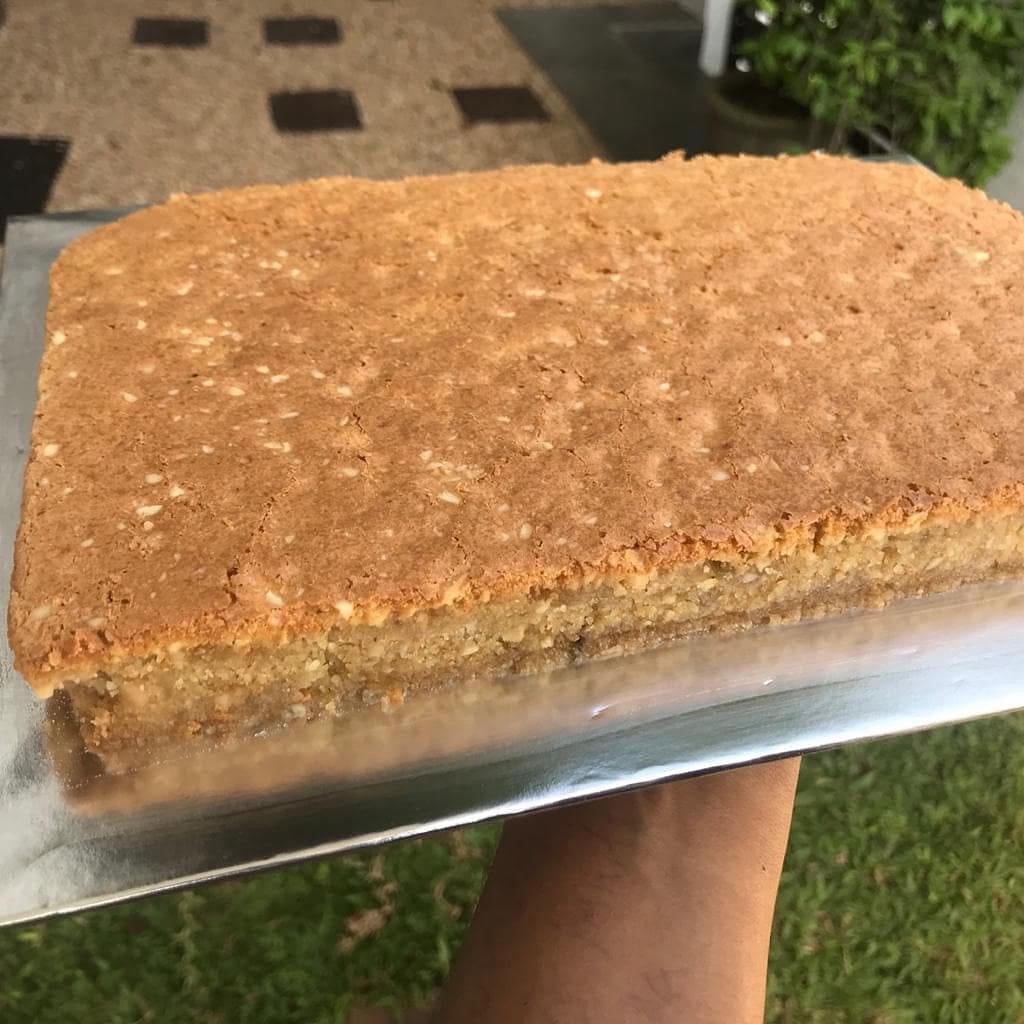 Love cakeVegetarian
🇱🇰 Sri LankaSri Lankan semolina cake with cashews, pumpkin preserve, and aromatic spices
Sweet or dessert
Love cakeVegetarian
🇱🇰 Sri LankaSri Lankan semolina cake with cashews, pumpkin preserve, and aromatic spices
Sweet or dessert