Discada
A mixed meat dish cooked on a repurposed plow disc over an open flame
Discada is a hearty mixed meat dish from northern Mexico, cooked outdoors on a large, shallow iron or steel disc originally used in farming. The dish combines beef, bacon, ham, sausage, and chorizo, simmered with onions, peppers, and tomatoes, often flavored with beer or root beer. It is closely tied to cowboy and vaquero traditions.
- Cooked on a repurposed iron or steel plow disc
- Features beef, bacon, ham, sausage, and chorizo
- Simmered with beer or root beer for flavor
- Closely tied to cowboy and vaquero culture
- Often served with rice, beans, guacamole, or salsa
What is Discada?
Discada is a rustic, mixed meat dish cooked outdoors on a large, shallow disc made from repurposed farm equipment. The main ingredients are beef (often flank), bacon, ham, sausage, and Mexican chorizo, combined with onions, peppers, and tomatoes. The meats are cooked in stages, each adding flavor to a simmering broth created with beer or root beer. The result is a colorful, savory mix, often served with rice, beans, guacamole, or salsa. Discada is deeply tied to cowboy and vaquero culture and is popular in northern Mexico and the southwestern United States.
Where does Discada come from?
Discada takes its name from the 'disco', a metal disc originally used in farming as a plow. Cowboys and ranchers in northern Mexico began using these discs as makeshift outdoor cookers, leading to the development of the dish. The practice is closely associated with vaquero and cowboy culture, which is why the disc is sometimes called a 'cowboy wok'. Over time, the name discada came to refer not only to the cookware but also to the mixed meat dish prepared on it.
How is Discada made?
To make discada, the disc is placed over an open flame. Bacon is cooked first in the center, its fat preventing sticking. As each meat—sausage, ham, chorizo, and beef—is added and cooked, it is moved to the side, and the next is introduced to the broth formed by meat juices and beer or root beer. Onions, peppers, and tomatoes are chopped and added for flavor and color. The meats are finally combined and simmered together, then served hot.
How and when is Discada eaten?
Discada is usually enjoyed at lunch or dinner, often outdoors in a communal setting. It is served hot, straight from the disc, and is commonly accompanied by Mexican sides like rice, beans, guacamole, or salsa. The dish is popular at gatherings and cookouts, reflecting its roots in cowboy and ranch culture. While it is an everyday food, it is especially favored for social occasions and shared meals.
Kinds of Discada
Regional versions of discada can be found across northern Mexico and the southwestern United States. Some cooks add or substitute different meats, or vary the types of peppers and seasonings. A breakfast version, called breakfast discada, features huevos rancheros cooked on the same disc. The discada disc is also used for other dishes, such as tacos and stir-fries, showing its versatility.
What Discada means
Discada is more than just a dish; it is a symbol of cowboy and ranch life in northern Mexico. Cooking on the disc brings people together for outdoor meals, reinforcing community ties. The use of repurposed farm equipment reflects resourcefulness and tradition. Its association with vaquero culture gives it an affectionate nickname, 'cowboy wok', and highlights its place in regional identity.
Questions people ask about Discada
What is discada made of?
Discada is made with a mix of meats: beef (usually flank), bacon, ham, sausage, and Mexican chorizo, along with onions, bell peppers, jalapenos or serrano peppers, and tomatoes. Beer or root beer is often added for flavor.
Where does discada come from?
Discada comes from northern Mexico and is also found in the southwestern United States. It is closely associated with cowboy and vaquero culture.
How is discada cooked?
Discada is cooked outdoors on a large metal disc placed over an open flame. The meats are added one by one, each cooked in the broth created by the previous meats and beer or root beer, then mixed with vegetables.
What do you serve with discada?
Discada is commonly served with traditional Mexican sides such as rice, beans, guacamole, and salsa. It is often enjoyed in a communal, outdoor setting.
Is discada always made with the same ingredients?
While the classic version uses beef, bacon, ham, sausage, and chorizo, regional and personal variations exist. The types of peppers, seasonings, and even meats can change depending on the cook.
Good reading and sources
The facts on this page come from the Wikipedia article "Discada", written by its contributors and used under the CC BY-SA 4.0 licence, and from its Wikidata record (CC0). Thali rewrote the text in its own words, with AI assistance, and compares every page with the article to make sure no passage is copied. It may be reused under the same CC BY-SA 4.0 licence with a link back.
It may contain mistakes, and it is not dietary or allergy advice: recipes differ from cook to cook. If something is wrong, tell us. Last refreshed 2026-10-03.
More from Mexico
All the food of Mexico Taco
🇲🇽 Mexico and 1 moreA folded tortilla filled with meat, beans or vegetables, eaten by hand
Street food, Lunch, Dinner
Blood sausageMeat
🇫🇷 France and 5 moreA sausage made with animal blood, fillers and spices, cooked or dried until firm
Main dish, Lunch, Dinner
Taco
🇲🇽 Mexico and 1 moreA folded tortilla filled with meat, beans or vegetables, eaten by hand
Street food, Lunch, Dinner
Blood sausageMeat
🇫🇷 France and 5 moreA sausage made with animal blood, fillers and spices, cooked or dried until firm
Main dish, Lunch, Dinner
 MolleteVegetarian
🇲🇽 Mexico and 6 moreOpen-faced Mexican sandwich with refried beans and melted cheese
Bread, Breakfast, Snacks
MolleteVegetarian
🇲🇽 Mexico and 6 moreOpen-faced Mexican sandwich with refried beans and melted cheese
Bread, Breakfast, Snacks
 BarbacoaMeat
🇲🇽 Mexico and 3 moreMeat slow-cooked in a pit lined with agave or banana leaves
Main dish, Lunch, Dinner
BarbacoaMeat
🇲🇽 Mexico and 3 moreMeat slow-cooked in a pit lined with agave or banana leaves
Main dish, Lunch, Dinner
Its cousins elsewhere
All main dishes Arroz carreteiroMeat
🇧🇷 BrazilBrazilian rice cooked with beef, sausage, and aromatics
Main dish, Lunch, Dinner
Arroz carreteiroMeat
🇧🇷 BrazilBrazilian rice cooked with beef, sausage, and aromatics
Main dish, Lunch, Dinner
 RatatouilleVegan
🇫🇷 FranceA Provençal stew of summer vegetables cooked in olive oil
Main dish, Lunch, Dinner
RatatouilleVegan
🇫🇷 FranceA Provençal stew of summer vegetables cooked in olive oil
Main dish, Lunch, Dinner
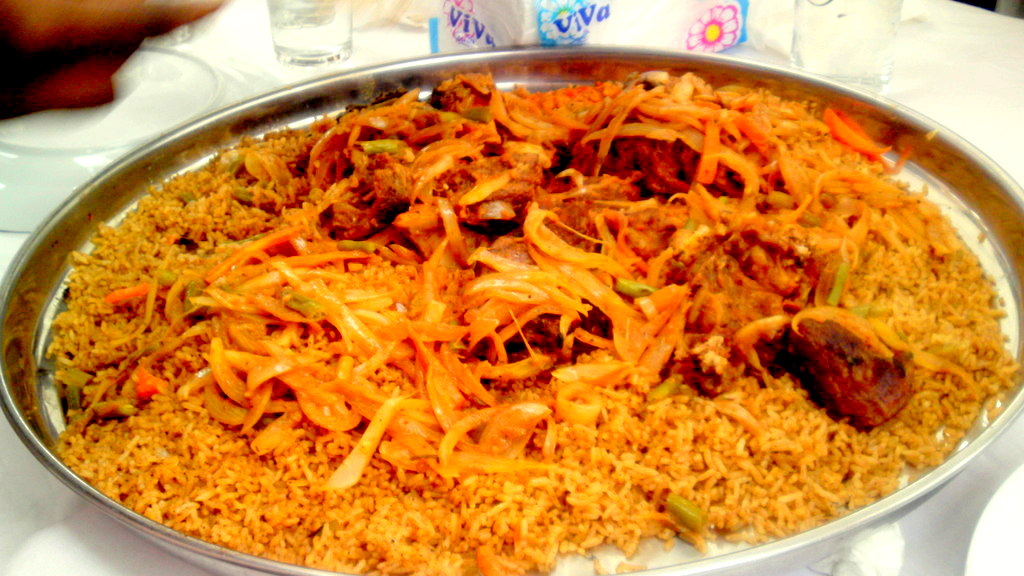 Riz grasMeat
🇧🇫 Burkina Faso and 4 moreWest African rice cooked with meat and vegetables, served hot
Main dish, Lunch, Dinner
Riz grasMeat
🇧🇫 Burkina Faso and 4 moreWest African rice cooked with meat and vegetables, served hot
Main dish, Lunch, Dinner
 Pique machoMeat
🇧🇴 Bolivia and 1 moreA Bolivian platter of beef, sausage, fries, vegetables and spicy sauces
Main dish, Dinner, Lunch
Pique machoMeat
🇧🇴 Bolivia and 1 moreA Bolivian platter of beef, sausage, fries, vegetables and spicy sauces
Main dish, Dinner, Lunch