
Mona de Pascua
A sweet cake with eggs, given at Easter in Catalonia, Valencia and Murcia
Mona de Pascua is a sweet cake eaten at Easter in Catalonia, Valencia and Murcia, Spain. Traditionally, it is made with a round dough and topped with hard-boiled eggs, though chocolate eggs or figures are now common in Catalonia. Godparents give it to godchildren, and families gather to eat it on Easter Monday.
- Given by godparents to godchildren at Easter
- Traditionally topped with hard-boiled eggs or chocolate eggs
- Eaten on Easter Sunday and Monday in Catalonia, Valencia and Murcia
- Decorated with sugar, almonds, jams, or colorful figures
- Similar cakes are made year-round under other names
What is Mona de Pascua?
Mona de Pascua is a sweet, round cake made from dough, often with a hard-boiled egg baked on top. In many places, especially Catalonia, the egg is now replaced with chocolate eggs or figures, which can become the main feature. The cake may be decorated with sugar, almonds, jams, or colorful toppings. It is a festive food, given as a gift and shared in spring, and its look varies from simple to elaborate, sometimes becoming a centerpiece for the holiday table.
Where does Mona de Pascua come from?
The tradition of Mona de Pascua is rooted in Easter celebrations in Spain, especially in Catalonia, Valencia, and Murcia. Its history can be traced back to at least the 15th century, with early mentions in Spanish texts. The name and custom may come from Roman, Arabic, or Greek influences, all involving cakes or eggs given as gifts in spring. Over time, the cake became linked to Christian Easter, and its form and meaning evolved with local customs.
How is Mona de Pascua made?
The classic mona is shaped from sweet dough, formed into a round or other shape, and topped with one or more hard-boiled eggs, which are baked together with the bread. In Catalonia, bakers now often use chocolate eggs or figures instead of real eggs, and the cake can be decorated with sugar, almonds, jams, or even small toys. In Valencia and Murcia, the traditional version with hard-boiled eggs is still common, and similar cakes are made year-round under other names.


How and when is Mona de Pascua eaten?
Mona de Pascua is given by godparents to their godchildren on Easter Sunday, and families or friends gather on Easter Monday, often outdoors, to eat it together. The number of eggs once matched the child's age, up to twelve. Today, the tradition continues for all ages. The cake is usually eaten as a snack or treat, and is often enjoyed with other sweets or drinks during the holiday gathering.
Kinds of Mona de Pascua
In Catalonia, the mona has become more elaborate, with chocolate eggs or figures replacing the hard-boiled egg. In Valencia and Murcia, the original style with hard-boiled eggs remains popular, and similar cakes are made throughout the year under names like tonya, panou, pa socarrat, panquemado, or coca bova. Decorations and shapes can vary, and some versions are topped with caramelized sugar, almonds, or colorful candies.
What Mona de Pascua means
Mona de Pascua is a symbol of Easter in eastern Spain, tied to family, godparent-godchild bonds, and springtime outings. Bakers compete to create artistic versions, especially in Catalonia, where chocolate and decoration have become central. The cake marks the end of Lent and is part of Christian Easter celebrations, with customs that bring families and friends together outdoors.
Questions people ask about Mona de Pascua
What is Mona de Pascua made of?
It is a sweet cake made from dough, traditionally topped with hard-boiled eggs. In many places, especially Catalonia, chocolate eggs or figures are now used instead.
Where does Mona de Pascua come from?
Mona de Pascua is from Spain, especially the regions of Catalonia, Valencia, and Murcia. It is a traditional Easter food with a long history in these areas.
When is Mona de Pascua eaten?
It is eaten at Easter, mainly on Easter Sunday and Easter Monday. Families and friends gather to share it, often outdoors.
What does Mona de Pascua look like?
It is usually a round sweet bread or cake, topped with one or more hard-boiled eggs or, in some regions, chocolate eggs or figures. Decorations can include sugar, almonds, or colorful toppings.
Is Mona de Pascua always made with eggs?
Traditionally, it is topped with hard-boiled eggs, but in Catalonia, chocolate eggs or figures are now common. Some versions made year-round may not have eggs on top.
Good reading and sources
The facts on this page come from the Wikipedia article "Easter mona", written by its contributors and used under the CC BY-SA 4.0 licence, and from its Wikidata record (CC0). Thali rewrote the text in its own words, with AI assistance, and compares every page with the article to make sure no passage is copied. It may be reused under the same CC BY-SA 4.0 licence with a link back.
It may contain mistakes, and it is not dietary or allergy advice: recipes differ from cook to cook. If something is wrong, tell us. Last refreshed 2026-10-03.
More from Spain
All the food of Spain Hot chocolate
🇲🇽 Mexico and 5 moreA warm drink made from chocolate or cocoa, milk or water, and sugar
Drink, Breakfast, Snacks
Hot chocolate
🇲🇽 Mexico and 5 moreA warm drink made from chocolate or cocoa, milk or water, and sugar
Drink, Breakfast, Snacks
 MarzipanVegetarian
🇩🇪 Germany and 5 moreSweet almond paste shaped or used in cakes, especially at Christmas and weddings
Sweet or dessert, Snacks, Tea time
MarzipanVegetarian
🇩🇪 Germany and 5 moreSweet almond paste shaped or used in cakes, especially at Christmas and weddings
Sweet or dessert, Snacks, Tea time
 MolleteVegetarian
🇲🇽 Mexico and 6 moreOpen-faced Mexican sandwich with refried beans and melted cheese
Bread, Breakfast, Snacks
MolleteVegetarian
🇲🇽 Mexico and 6 moreOpen-faced Mexican sandwich with refried beans and melted cheese
Bread, Breakfast, Snacks
 Cheesecake
🇬🇷 Greece and 5 moreA chilled dessert of sweetened soft cheese on a crumb or pastry base
Sweet or dessert, Snacks
Cheesecake
🇬🇷 Greece and 5 moreA chilled dessert of sweetened soft cheese on a crumb or pastry base
Sweet or dessert, Snacks
Its cousins elsewhere
All sweets and desserts Doughnut
🇺🇸 United States and 5 moreSweet fried or baked rings or balls, often glazed or filled
Sweet or dessert, Breakfast, Snacks
Easter egg
🇷🇺 Russia and 5 moreEggs dyed or decorated for Easter, symbolizing resurrection and new life
Sweet or dessert, Breakfast, Snacks
Doughnut
🇺🇸 United States and 5 moreSweet fried or baked rings or balls, often glazed or filled
Sweet or dessert, Breakfast, Snacks
Easter egg
🇷🇺 Russia and 5 moreEggs dyed or decorated for Easter, symbolizing resurrection and new life
Sweet or dessert, Breakfast, Snacks
 Pancake
🇺🇸 United States and 5 moreFlat cakes made from batter, cooked on a griddle or pan and served sweet or savoury
Main dish, Breakfast, Snacks
Pancake
🇺🇸 United States and 5 moreFlat cakes made from batter, cooked on a griddle or pan and served sweet or savoury
Main dish, Breakfast, Snacks
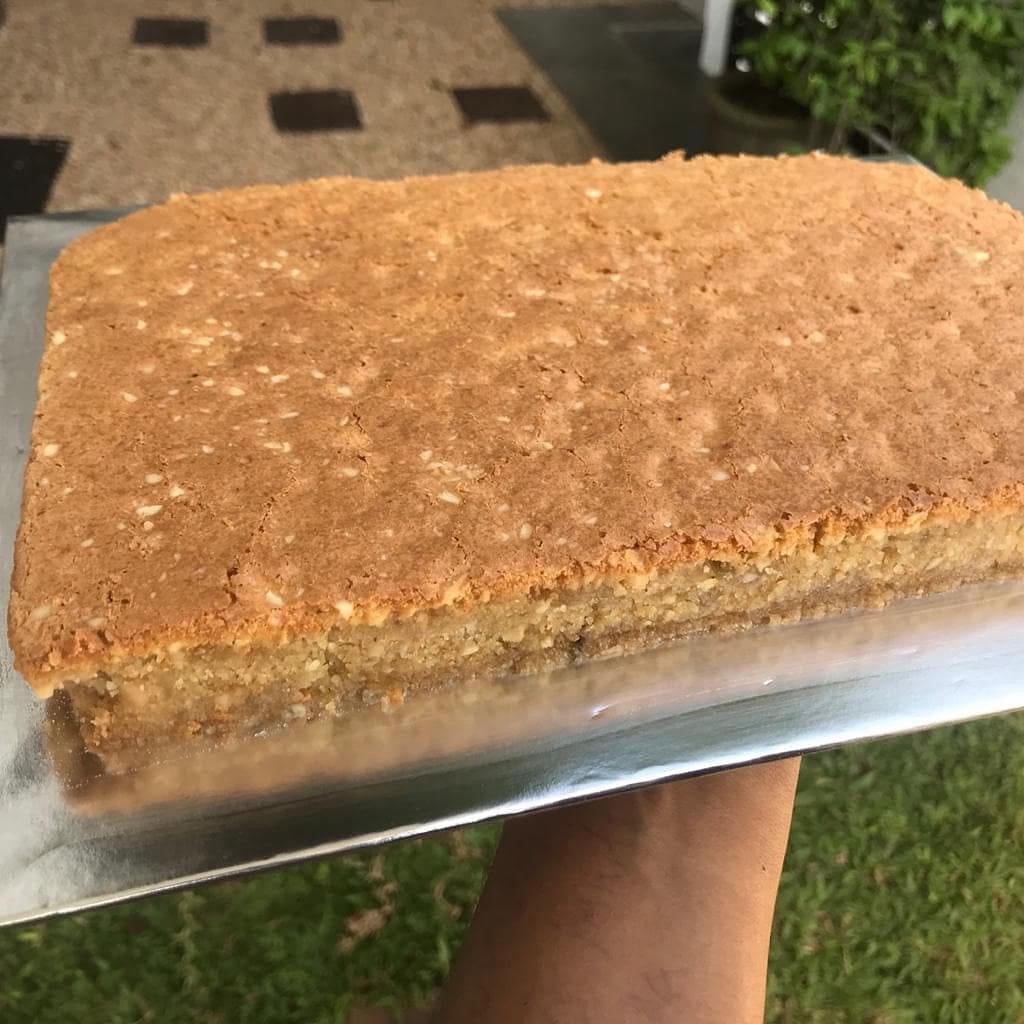 Love cakeVegetarian
🇱🇰 Sri LankaSri Lankan semolina cake with cashews, pumpkin preserve, and aromatic spices
Sweet or dessert
Love cakeVegetarian
🇱🇰 Sri LankaSri Lankan semolina cake with cashews, pumpkin preserve, and aromatic spices
Sweet or dessert