
Ekiben
In its own language: 駅弁
Boxed meals sold at train stations and on trains across Japan
Ekiben are boxed meals sold at train stations and on trains throughout Japan. Each box often features local specialties and is packaged in containers made from plastic, wood, or ceramic. First appearing in the late 19th century, ekiben remain a popular choice for travelers, especially on long journeys and high-speed trains.
- First sold at railway stations in Japan in the late 19th century
- Each region offers unique ekiben with local specialties
- Packaging can be collectible, made from wood, plastic, or ceramic
- Popular among travelers on long train journeys
- Annual ekiben fairs are held in Japanese department stores
What is Ekiben?
Ekiben are boxed meals designed for travelers, sold at railway stations and on trains in Japan. Each box typically contains rice, fish or meat, pickles, and vegetables, arranged attractively and often reflecting the local food culture of the region where it is sold. The packaging can be made from plastic, wood, or even ceramic, sometimes crafted to be kept as a souvenir. Some ekiben highlight regional specialties, such as pressed sushi with trout or squid stuffed with rice. The meal is compact and convenient, making it easy to eat while traveling.
Where does Ekiben come from?
The tradition of ekiben began in the late 19th century, with the first believed to have been sold at Utsunomiya Station in 1885. Early versions were simple rice balls wrapped in bamboo leaves. As rail travel expanded, stations across Japan began offering their own versions, often featuring local ingredients. By the early 20th century, ekiben had become distinct from other bento boxes, with each region developing unique offerings. The popularity of ekiben grew with the rise of rail travel after World War II and peaked in the 1980s, before declining as faster trains and air travel became more common.
How is Ekiben made?
Ekiben are prepared by assembling cooked rice with a variety of side dishes, which may include grilled fish, fish cakes, pickles, vegetables, or meat. The contents and presentation often depend on the region, with some boxes highlighting local ingredients or culinary traditions. Meals are packed in containers that may be disposable or designed as keepsakes. Chopsticks or spoons are provided for convenience, and the boxes are sealed for freshness and portability.


How and when is Ekiben eaten?
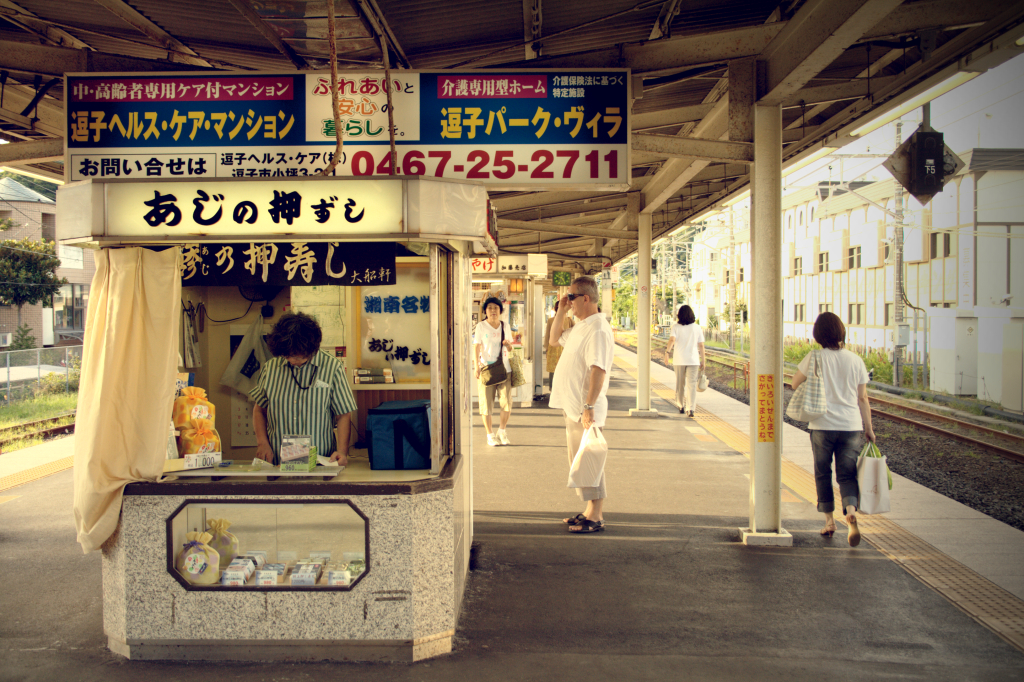
Ekiben are eaten by travelers during train journeys or while waiting at stations. They are designed to be convenient, with everything needed for a meal included in the box. People often enjoy ekiben for lunch or dinner, especially on longer trips. Some travelers seek out specific stations known for their unique or famous ekiben. The meal can be enjoyed at one's seat on the train or at station benches, making it a practical and enjoyable part of rail travel.
Kinds of Ekiben
There are many types of ekiben, from the standard makunouchi-bento with rice, fish, and pickles, to regional specialties that showcase local ingredients. Examples include masuzushi, a pressed sushi with trout from Toyama, and ikameshi, squid stuffed with rice from Hokkaido. Some ekiben are packaged in distinctive containers that become collectibles. Outside Japan, a similar style of boxed meal is popular on trains in Taiwan.
What Ekiben means
Ekiben are more than just a meal; they are a part of Japanese travel culture and a way to experience local foods. Some stations are famous for their unique ekiben, attracting tourists and collectors. Department stores in Japan hold annual ekiben fairs, where people can sample boxes from across the country. The packaging is often designed to be memorable, and some people collect the containers as souvenirs. Enthusiasts known as ekiben-tetsu travel specifically to try different ekiben.
Questions people ask about Ekiben
What is ekiben made of?
Ekiben usually contains rice, fish or meat, pickles, and vegetables. The exact ingredients depend on the region and may feature local specialties.
Where does ekiben come from?
Ekiben originated in Japan, first appearing at railway stations in the late 19th century. Each region developed its own style, often using local ingredients.
When do people eat ekiben?
Ekiben are typically eaten during train journeys or while waiting at stations, often for lunch or dinner.
Are there different types of ekiben?
Yes, there are many types. Some are standard with rice and side dishes, while others highlight local foods, such as trout sushi or squid stuffed with rice.
Can you find ekiben outside of train stations?
Ekiben are also sold in some department stores and airports in Japan, especially during special fairs.
Good reading and sources
The facts on this page come from the Wikipedia article "Ekiben", written by its contributors and used under the CC BY-SA 4.0 licence, and from its Wikidata record (CC0). Thali rewrote the text in its own words, with AI assistance, and compares every page with the article to make sure no passage is copied. It may be reused under the same CC BY-SA 4.0 licence with a link back.
It may contain mistakes, and it is not dietary or allergy advice: recipes differ from cook to cook. If something is wrong, tell us. Last refreshed 2026-10-03.
More from Japan
All the food of Japan Pizza
🇮🇹 Italy and 4 moreFlatbread topped with tomato, cheese and baked at high heat
Main dish, Lunch, Dinner
Pizza
🇮🇹 Italy and 4 moreFlatbread topped with tomato, cheese and baked at high heat
Main dish, Lunch, Dinner
 Sushi寿司
🇯🇵 JapanVinegared rice paired with seafood, vegetables or other toppings
Main dish, Lunch, Dinner
TofuVegan豆腐
🇨🇳 China and 5 moreSoft white blocks made by curdling soy milk and pressing the curds
Main dish
Sushi寿司
🇯🇵 JapanVinegared rice paired with seafood, vegetables or other toppings
Main dish, Lunch, Dinner
TofuVegan豆腐
🇨🇳 China and 5 moreSoft white blocks made by curdling soy milk and pressing the curds
Main dish
 Sashimi刺身
🇯🇵 JapanThin slices of raw fish or meat, served with soy sauce and condiments
Main dish, Lunch, Dinner
Sashimi刺身
🇯🇵 JapanThin slices of raw fish or meat, served with soy sauce and condiments
Main dish, Lunch, Dinner
Its cousins elsewhere
All main dishes Domoda
🇸🇳 Senegal and 4 moreA tangy Senegalese stew thickened with flour and served with rice
Stew or curry, Lunch, Dinner
Domoda
🇸🇳 Senegal and 4 moreA tangy Senegalese stew thickened with flour and served with rice
Stew or curry, Lunch, Dinner
 Riz grasMeat
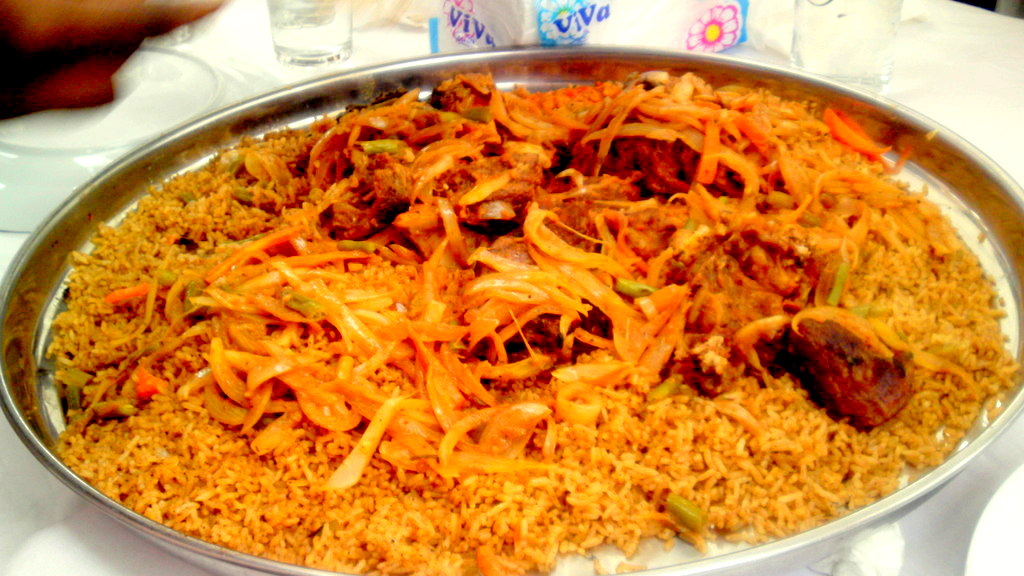
🇧🇫 Burkina Faso and 4 moreWest African rice cooked with meat and vegetables, served hot
Main dish, Lunch, Dinner
Riz grasMeat
🇧🇫 Burkina Faso and 4 moreWest African rice cooked with meat and vegetables, served hot
Main dish, Lunch, Dinner
 Pâté
🇫🇷 France and 5 moreA smooth or coarse spread made from minced meat, liver, or vegetables
Sauce, pickle or ferment
Pâté
🇫🇷 France and 5 moreA smooth or coarse spread made from minced meat, liver, or vegetables
Sauce, pickle or ferment
 Tajineطاجين
🇲🇦 Morocco and 4 moreNorth African stew slow-cooked in a cone-lidded clay pot
Main dish, Lunch, Dinner
Tajineطاجين
🇲🇦 Morocco and 4 moreNorth African stew slow-cooked in a cone-lidded clay pot
Main dish, Lunch, Dinner