
Grogue
Cape Verdean sugarcane spirit made by traditional methods
Grogue is a strong distilled drink from Cape Verde, made by fermenting and distilling sugarcane. Produced mostly in Santo Antão and Santiago, it is crafted in small batches using a press called a trapiche. Grogue is enjoyed on its own, in cocktails, or as a base for herbal infusions and local punch.
- Made from nearly all of Cape Verde's sugarcane
- Pressed using a traditional trapiche mill
- Basis for the Cape Verdean cocktail ponche
- Production centers in Santo Antão and Santiago
- Used for herbal and medicinal infusions
What is Grogue?
Grogue is a distilled spirit from Cape Verde, made by fermenting and distilling sugarcane juice. Its production is mostly artisanal, with nearly all local sugarcane going into this drink. The cane is pressed using a trapiche, a traditional mill. Grogue is clear and strong, with a raw, earthy aroma and a sharp taste. It is the base for local cocktails and sometimes used to make herbal infusions.
Where does Grogue come from?
Grogue’s name comes from the English word 'grog', but the drink itself is deeply rooted in Cape Verdean tradition. Its production is centered in the islands of Santo Antão and Santiago, especially in places like Ribeira do Paul and Ribeira da Cruz. The process is old and mostly unchanged, relying on handcrafting methods. Today, efforts are underway to standardize and export a high-quality version called 'Grogue Official' to European markets.
How is Grogue made?
To make grogue, sugarcane is harvested and pressed in a trapiche to extract the juice. This juice is then fermented and distilled in small batches, often by hand. The result is a clear, potent spirit. Because the process is traditional and varies from maker to maker, the quality and flavor can differ widely. Some versions include herbs or even seafood, like percebes, for medicinal or special preparations.


How and when is Grogue eaten?
Grogue is usually drunk neat, but it is also mixed into cocktails. In tourist areas, it is sometimes used in caipirinhas, a Brazilian cocktail. Locally, it serves as the base for ponche, a punch with lime and molasses. Grogue is also infused with herbs such as rue, rosemary, or anise for medicinal uses. It is a common drink in Cape Verdean bars and gatherings.
Kinds of Grogue
There are many types of grogue, since each producer uses slightly different methods. Some grogue is infused with herbs or even barnacles for special medicinal drinks. Ponche, a sweetened cocktail with lime and molasses, is a popular variation. Quality can range from rough homemade batches to more refined versions, and a controlled export version is being developed.
What Grogue means
Grogue is a central part of Cape Verdean social life and is closely tied to sugarcane farming. It is found in local bars and is a symbol of Cape Verdean hospitality. The drink’s artisanal nature means it varies widely, reflecting the island’s traditions. The government is working to promote a standardized, high-quality grogue for export, highlighting its cultural and economic importance.
Questions people ask about Grogue
What is grogue made from?
Grogue is made by fermenting and distilling sugarcane juice. Nearly all the sugarcane grown in Cape Verde is used for this spirit.
Where does grogue come from?
Grogue comes from Cape Verde, especially the islands of Santo Antão and Santiago. It is a traditional local drink.
How is grogue made?
Sugarcane is pressed in a trapiche to extract juice, which is then fermented and distilled. The process is mostly artisanal, leading to different qualities and flavors.
How is grogue usually served?
Grogue is often drunk neat, but it can be mixed into cocktails like ponche or caipirinhas. It is also used for herbal infusions.
Are there different types of grogue?
Yes, grogue varies by producer and region. Some versions are infused with herbs or even seafood, and a standardized export version is being developed.
Good reading and sources
The facts on this page come from the Wikipedia article "Grogue", written by its contributors and used under the CC BY-SA 4.0 licence, and from its Wikidata record (CC0). Thali rewrote the text in its own words, with AI assistance, and compares every page with the article to make sure no passage is copied. It may be reused under the same CC BY-SA 4.0 licence with a link back.
It may contain mistakes, and it is not dietary or allergy advice: recipes differ from cook to cook. If something is wrong, tell us. Last refreshed 2026-10-03.
More from Cape Verde
All the food of Cape Verde CachupaKatxupa
🇨🇻 Cape Verde and 1 moreSlow-cooked Cape Verdean stew of corn, beans, and fish or meat
Stew or curry, Breakfast, Lunch
CachupaKatxupa
🇨🇻 Cape Verde and 1 moreSlow-cooked Cape Verdean stew of corn, beans, and fish or meat
Stew or curry, Breakfast, Lunch
 BroaVegan
🇵🇹 Portugal and 4 moreRustic bread made with cornmeal, rye or wheat, found in Portugal and Brazil
Bread
BroaVegan
🇵🇹 Portugal and 4 moreRustic bread made with cornmeal, rye or wheat, found in Portugal and Brazil
Bread
 BacalhauFish or seafood
🇵🇹 Portugal and 5 moreDried and salted cod, a staple of Portuguese cooking
Main dish, Lunch, Dinner
BacalhauFish or seafood
🇵🇹 Portugal and 5 moreDried and salted cod, a staple of Portuguese cooking
Main dish, Lunch, Dinner
Its cousins elsewhere
All drinks Sugarcane juiceVegan
🇮🇳 India and 6 moreFresh juice pressed from sugarcane stalks, sold widely as a street drink
Drink, Snacks
Sugarcane juiceVegan
🇮🇳 India and 6 moreFresh juice pressed from sugarcane stalks, sold widely as a street drink
Drink, Snacks
 ArrackVegan
🇮🇳 India and 3 moreDistilled spirit made from coconut sap, sugarcane, or grain in South and Southeast Asia
Drink
ArrackVegan
🇮🇳 India and 3 moreDistilled spirit made from coconut sap, sugarcane, or grain in South and Southeast Asia
Drink
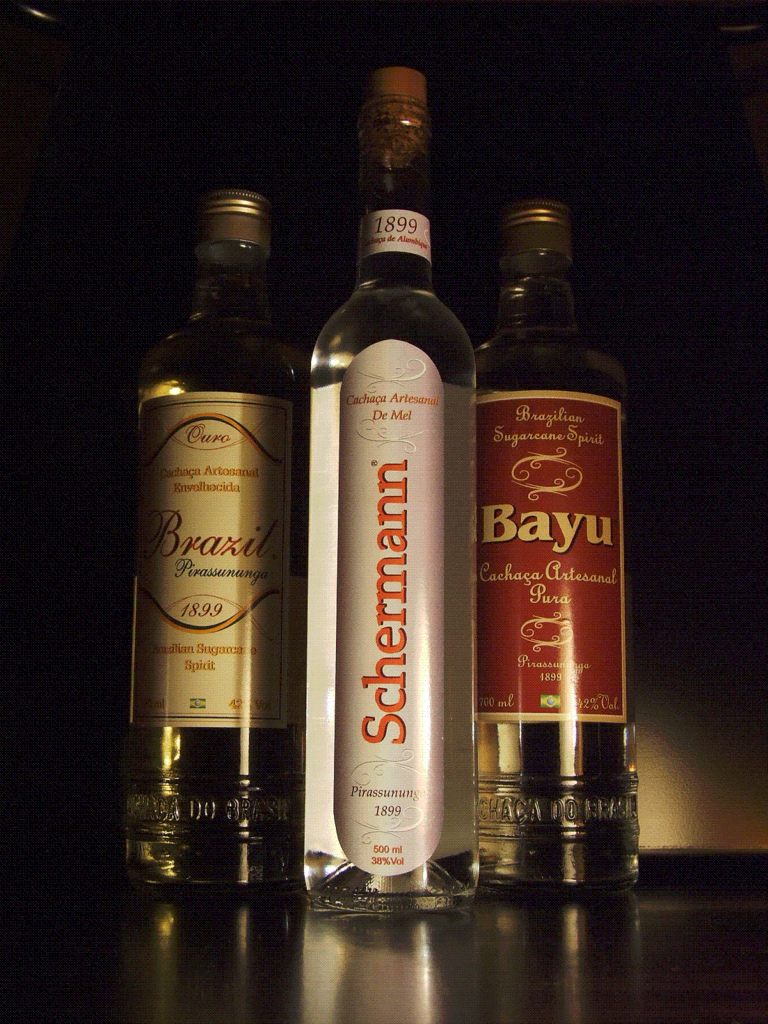 Aguardiente
🇪🇸 Spain and 5 moreA strong distilled spirit made from sugarcane, fruit, or grains, popular in Iberian and Latin regions
Drink
Aguardiente
🇪🇸 Spain and 5 moreA strong distilled spirit made from sugarcane, fruit, or grains, popular in Iberian and Latin regions
Drink
 CoffeeVegan
🇾🇪 Yemen and 5 moreA dark, bitter drink made by brewing roasted coffee beans
Drink, Breakfast, Snacks
CoffeeVegan
🇾🇪 Yemen and 5 moreA dark, bitter drink made by brewing roasted coffee beans
Drink, Breakfast, Snacks