
Sugarcane juice
Fresh juice pressed from sugarcane stalks, sold widely as a street drink
Sugarcane juice is the liquid squeezed from sugarcane stalks and enjoyed as a drink in many countries where sugarcane grows, including India, Brazil, Egypt, Indonesia, and Vietnam. Vendors press peeled sugarcane using machines, often serving the juice cold, sometimes with lime, ginger, or other fruit juices. It is especially popular as a refreshing drink during hot weather.
- Made by pressing peeled sugarcane stalks through a machine
- Often served cold with ice, sometimes with lime or ginger
- Known as asab in Egypt, caldo de cana or garapa in Brazil, nước mía in Vietnam
- Fermented versions are made in Egypt and Madagascar
- Pakistan declared sugarcane juice its national drink in 2019
What is Sugarcane juice?
Sugarcane juice is made by crushing peeled sugarcane stalks to extract their sweet liquid. The drink is pale yellow to greenish, sometimes slightly cloudy, and usually served over ice. Its taste is intensely sweet and grassy, with a hint of earthiness from the cane. In many places, lime, ginger, or other fruit juices are added to balance the sweetness. It is most often sold by street vendors using mechanical presses.
Where does Sugarcane juice come from?
Sugarcane has been cultivated for its juice in India and Southeast Asia for centuries. The earliest known mention in Indonesia dates back to a 9th-century inscription describing a sweet drink from sugarcane. As sugarcane spread to other regions, the juice became popular wherever the plant was grown. In Brazil, street vendors began selling it as caldo de cana. In Egypt, asab is a common sight in juice shops. The drink's history is closely tied to the spread of sugarcane agriculture.
How is Sugarcane juice made?
To make sugarcane juice, vendors peel the cane and feed it through a press or mill, which squeezes out the juice. The machines can be powered by hand, gasoline, or electricity. The juice is collected, strained, and poured over ice. In some countries, lime, pineapple, ginger, or other fruit juices are mixed in. In Egypt, a fermented version is made by mixing asab with lemon and letting it ferment. In Madagascar, fermentation produces a local alcoholic drink.


How and when is Sugarcane juice eaten?
Sugarcane juice is usually bought from street stalls or juice shops and drunk as a cold refreshment, especially in hot weather. In India, it is a common summer drink. In Indonesia and Vietnam, it is served with ice, sometimes in plastic cups or bags. Some people add lime or ginger for extra flavor. In Egypt, it is enjoyed in juice shops, and the highest quality asab is prized. The drink is mostly consumed as a snack or refreshment rather than with meals.
Kinds of Sugarcane juice
Different regions have their own names and ways of serving sugarcane juice. In Brazil, it is sometimes mixed with lime or pineapple. In Vietnam, kumquat or salted lime may be added. Egypt has a fermented asab, while Madagascar ferments the juice into betsa-betsa, an inexpensive alcoholic drink. In Myanmar, sugarcane juice may be blended with jujube or orange. The method of serving has also changed, from plastic bags to cups and bottles.
What Sugarcane juice means
Sugarcane juice is a familiar street drink in many countries, associated with daily life and relief from heat. In Pakistan, it was declared the national drink in 2019. In Egypt, the largest juice shop is in Saft El Laban, Giza, and Minya is known for its high-quality asab. The drink is also linked to local health concerns, as raw juice can carry pathogens if not handled carefully. Fermented versions have a place in local drinking culture.
Questions people ask about Sugarcane juice
What is sugarcane juice made from?
Sugarcane juice is made by crushing peeled sugarcane stalks to extract their sweet liquid. Sometimes lime, ginger, or other fruit juices are added for extra flavor.
Where does sugarcane juice come from?
Sugarcane juice is enjoyed in many countries where sugarcane is grown, including India, Brazil, Egypt, Indonesia, and Vietnam. Its use goes back centuries in Southeast Asia and India.
How is sugarcane juice served?
It is usually served cold, poured over ice, and sometimes mixed with lime, ginger, or other fruit juices. Street vendors often sell it freshly pressed.
Are there any health risks with sugarcane juice?
Raw sugarcane juice can carry diseases if the cane is not cleaned properly. In some countries, contamination by pathogens or toxins has been reported.
Are there different versions of sugarcane juice?
Yes, some regions add lime, pineapple, or kumquat, and in Egypt and Madagascar, fermented versions are made. The drink has many local names and serving styles.
Good reading and sources
- Sugarcane juice on WikipediaEncyclopedia
- More photos on Wikimedia CommonsPhotos
- Wikidata recordOpen data
The facts on this page come from the Wikipedia article "Sugarcane juice", written by its contributors and used under the CC BY-SA 4.0 licence, and from its Wikidata record (CC0). Thali rewrote the text in its own words, with AI assistance, and compares every page with the article to make sure no passage is copied. It may be reused under the same CC BY-SA 4.0 licence with a link back.
It may contain mistakes, and it is not dietary or allergy advice: recipes differ from cook to cook. If something is wrong, tell us. Last refreshed 2026-10-03.
More from India
All the food of India TeaVegan茶
🇨🇳 China and 5 moreA drink made by soaking tea leaves in hot or cold water
Drink
TeaVegan茶
🇨🇳 China and 5 moreA drink made by soaking tea leaves in hot or cold water
Drink
 Ice cream
🇺🇸 United States and 5 moreA frozen dessert made from sweetened, flavoured milk or cream
Sweet or dessert, Snacks
Ice cream
🇺🇸 United States and 5 moreA frozen dessert made from sweetened, flavoured milk or cream
Sweet or dessert, Snacks
 Palm wineVegan
🇳🇬 Nigeria and 5 moreA lightly alcoholic drink made by fermenting the sap of palm trees
Drink
Palm wineVegan
🇳🇬 Nigeria and 5 moreA lightly alcoholic drink made by fermenting the sap of palm trees
Drink
 KahwahVegan
🇮🇳 India and 2 moreA spiced green tea from Kashmir, often served with saffron and nuts
Drink
KahwahVegan
🇮🇳 India and 2 moreA spiced green tea from Kashmir, often served with saffron and nuts
Drink
Its cousins elsewhere
All drinks GrogueVegan
🇨🇻 Cape VerdeCape Verdean sugarcane spirit made by traditional methods
Drink
GrogueVegan
🇨🇻 Cape VerdeCape Verdean sugarcane spirit made by traditional methods
Drink
 ChampagneVegan
🇫🇷 FranceSparkling wine made only in France’s Champagne region using traditional bottle fermentation
Drink
ChampagneVegan
🇫🇷 FranceSparkling wine made only in France’s Champagne region using traditional bottle fermentation
Drink
 TequilaVegan
🇲🇽 MexicoMexican spirit distilled from blue agave in Jalisco and nearby regions
Drink
TequilaVegan
🇲🇽 MexicoMexican spirit distilled from blue agave in Jalisco and nearby regions
Drink
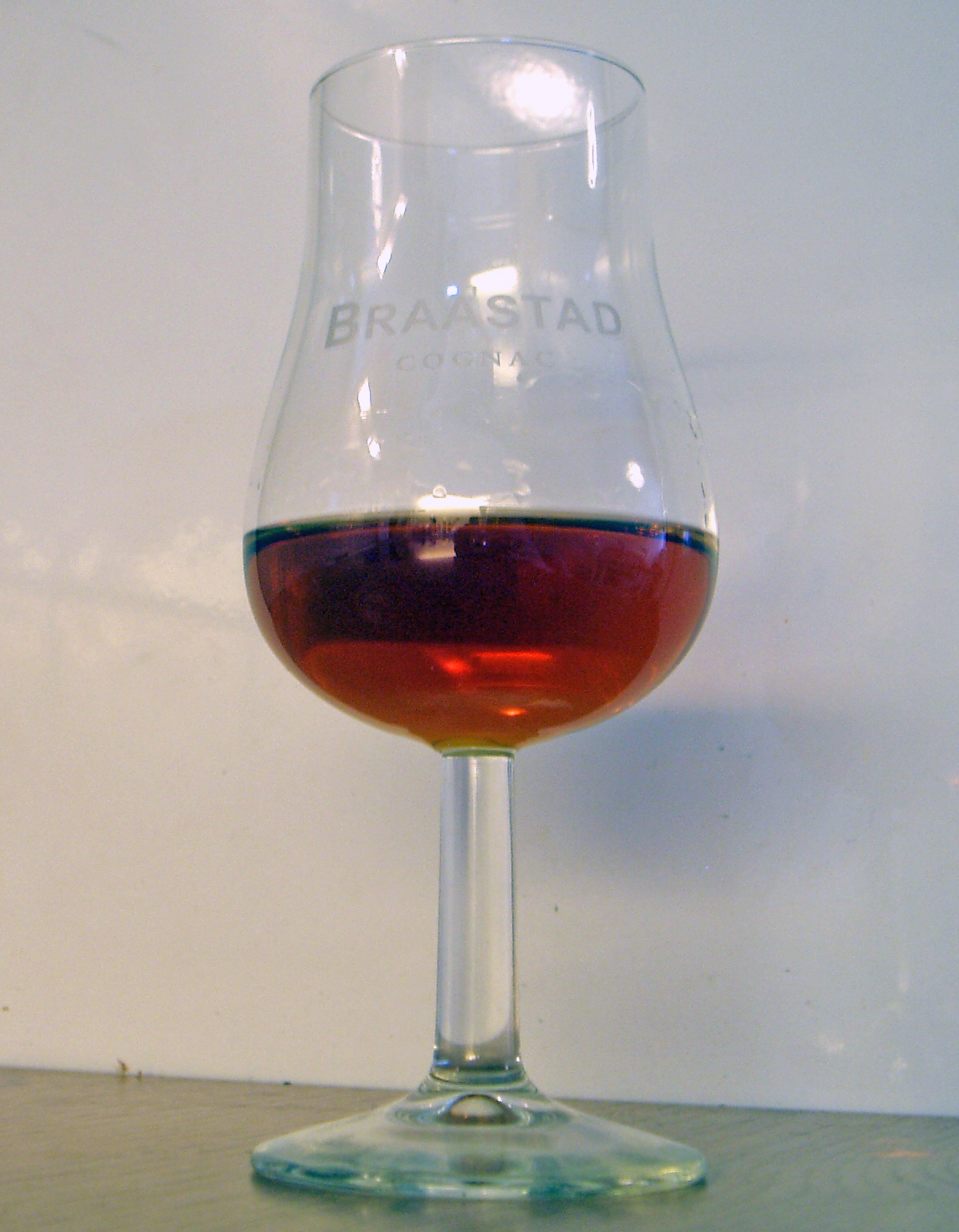 CognacVegan
🇫🇷 FranceFrench brandy distilled from local white grapes and aged in oak casks
Drink
CognacVegan
🇫🇷 FranceFrench brandy distilled from local white grapes and aged in oak casks
Drink