Aguardiente
A strong distilled spirit made from sugarcane, fruit, or grains, popular in Iberian and Latin regions
Aguardiente is a distilled alcoholic drink with 29% to 60% alcohol, made from sugarcane, fruit, grains, or tubers. Originating on the Iberian Peninsula, it is widely consumed in Spain, Portugal, and across Latin America, with each region using different base ingredients and flavors. It is usually drunk neat and can be flavored with anise, herbs, or fruit.
- Alcohol content ranges from 29% to 60%
- Made from sugarcane, fruit, grains, or tubers
- Colombian aguardiente is flavored with anise
- Portuguese and Spanish varieties often use grape pomace
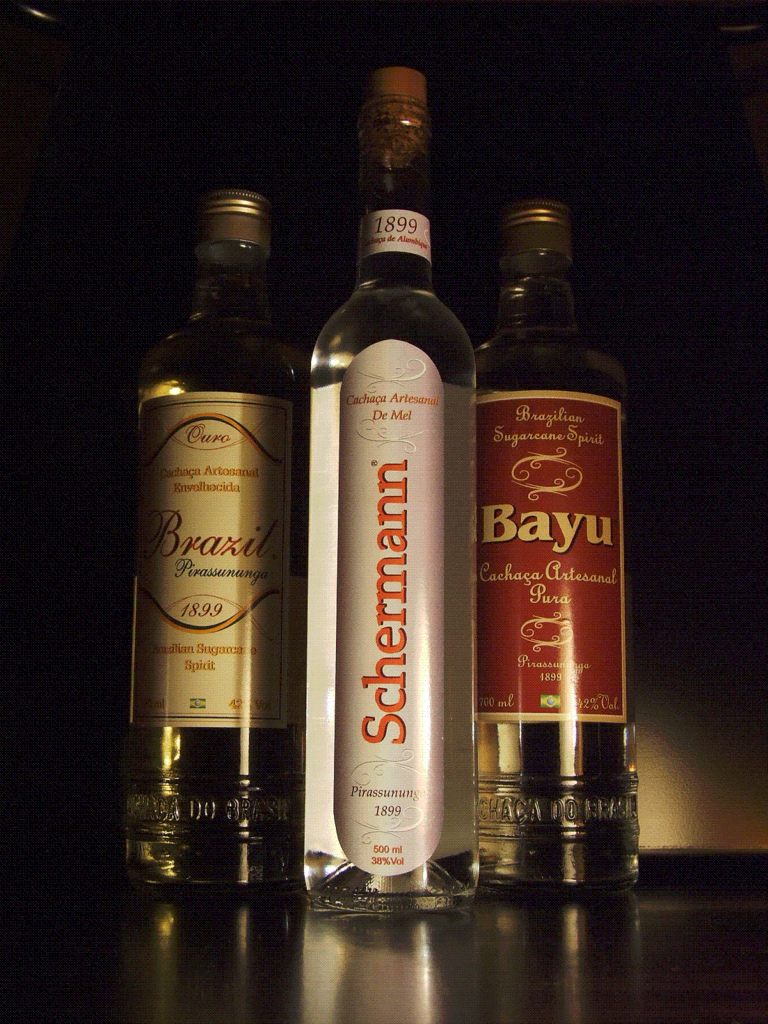
- Brazilian cachaça is a related sugarcane spirit
What is Aguardiente?
Aguardiente is a clear, strong spirit distilled from fermented sugarcane, fruit, grains, or tubers, depending on the region. Its alcohol content ranges from 29% to 60%. In Colombia, it is often flavored with anise, giving it a sweet, herbal aroma. In other places, it may be left unflavored or infused with herbs, fruit, or even coffee. Some versions are colorless, while others take on a yellow or brown tint from aging or added ingredients. The taste varies from neutral to sweet or herbal, depending on the base and flavorings.
Where does Aguardiente come from?
The drink traces its roots to the Iberian Peninsula, where the term 'aguardiente' means 'burning water.' It spread to Latin America and other regions through Spanish and Portuguese influence. Each country adapted the drink to local crops and tastes, leading to a wide range of aguardientes. In Spain and Portugal, it is made from grape pomace or wine; in Latin America, sugarcane is common. Over time, aguardiente became a generic term for local distilled spirits, with some varieties gaining protected status.
How is Aguardiente made?
Aguardiente is made by fermenting a sugary or starchy base—such as sugarcane juice, grape pomace, fruit, grains, or tubers—then distilling the liquid to concentrate the alcohol. Some types are flavored during or after distillation with anise, herbs, or fruit. In Brazil, cachaça is made from fresh sugarcane juice, while in Chile and Spain, grape skins and seeds left from winemaking are used. The process and ingredients vary by region, resulting in different strengths and flavors.


How and when is Aguardiente eaten?
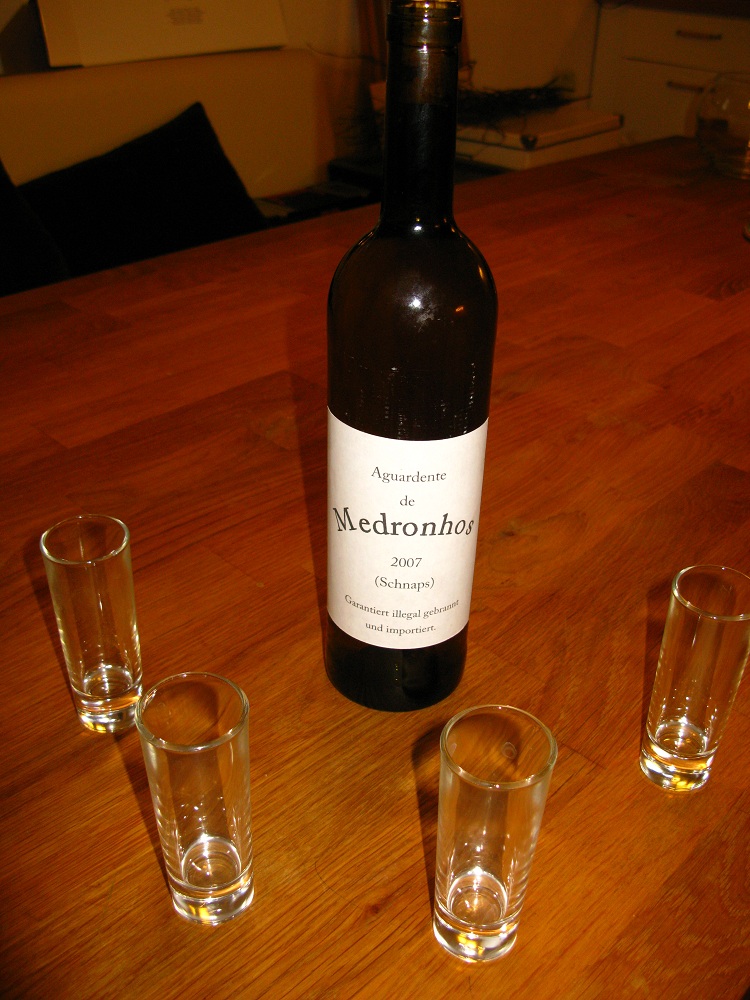
Aguardiente is usually drunk neat, either as a shot or sipped slowly. In Colombia and Ecuador, it is a popular social drink, often shared at gatherings. In Portugal, it may be added to coffee, while in Ecuador, it is used in hot cocktails like canelazo. Some versions are mixed with fruit juice or spices. The drink is enjoyed in everyday settings and at celebrations, with local customs shaping how it is served.
Kinds of Aguardiente
Each country and region has its own style of aguardiente. In Colombia, it is sweetened and flavored with anise. Ecuadorian aguardiente is mostly unflavored and used in hot drinks. Portuguese varieties include grape-based bagaço and medronho, made from arbutus fruit. In Chile and Spain, grape pomace is distilled into orujo, sometimes infused with herbs or coffee. Brazilian cachaça is a related but distinct spirit, made from sugarcane juice and sometimes aged in wood.
What Aguardiente means
Aguardiente holds cultural importance in many regions. In Colombia, it is the most popular spirit in the Andes. Portugal and Spain have protected designations for certain types, linking them to specific regions and traditions. In Ecuador, it is the most commonly consumed strong alcohol. The drink is tied to local festivals, social gatherings, and even daily routines, such as adding it to coffee in Portugal. Homemade and artisanal production is common, especially in rural areas.
Questions people ask about Aguardiente
What is aguardiente made from?
Aguardiente can be made from sugarcane, grape pomace, fruit, grains, or tubers. The base ingredient depends on the region, with sugarcane common in Latin America and grape pomace in Spain and Portugal.
Where does aguardiente come from?
Aguardiente originated on the Iberian Peninsula, in Spain and Portugal, and spread to Latin America and other regions through Spanish and Portuguese influence.
How strong is aguardiente?
Aguardiente typically contains between 29% and 60% alcohol by volume, depending on the country and style.
Is aguardiente always flavored?
No, aguardiente can be unflavored or flavored. In Colombia, it is often flavored with anise, while in other regions it may be left neutral or infused with herbs, fruit, or coffee.
How is aguardiente usually served?
Aguardiente is usually drunk neat, either as a shot or sipped, but it can also be mixed into cocktails or hot drinks, depending on local customs.
Good reading and sources
The facts on this page come from the Wikipedia article "Aguardiente", written by its contributors and used under the CC BY-SA 4.0 licence, and from its Wikidata record (CC0). Thali rewrote the text in its own words, with AI assistance, and compares every page with the article to make sure no passage is copied. It may be reused under the same CC BY-SA 4.0 licence with a link back.
It may contain mistakes, and it is not dietary or allergy advice: recipes differ from cook to cook. If something is wrong, tell us. Last refreshed 2026-10-03.
More from Spain
All the food of Spain Hot chocolate
🇲🇽 Mexico and 5 moreA warm drink made from chocolate or cocoa, milk or water, and sugar
Drink, Breakfast, Snacks
Hot chocolate
🇲🇽 Mexico and 5 moreA warm drink made from chocolate or cocoa, milk or water, and sugar
Drink, Breakfast, Snacks
 JeropigaVegan
🇵🇹 Portugal and 1 morePortuguese sweet fortified drink made by adding aguardente to grape must
Drink
JeropigaVegan
🇵🇹 Portugal and 1 morePortuguese sweet fortified drink made by adding aguardente to grape must
Drink
 Sangriasangría
🇪🇸 Spain and 1 moreRed wine mixed with fruit and served cold, from Spain and Portugal
Drink
Sangriasangría
🇪🇸 Spain and 1 moreRed wine mixed with fruit and served cold, from Spain and Portugal
Drink
 SherryVeganJerez
🇪🇸 SpainFortified wine from southern Spain, made mainly from Palomino grapes
Drink
SherryVeganJerez
🇪🇸 SpainFortified wine from southern Spain, made mainly from Palomino grapes
Drink
Its cousins elsewhere
All drinks ArrackVegan
🇮🇳 India and 3 moreDistilled spirit made from coconut sap, sugarcane, or grain in South and Southeast Asia
Drink
ArrackVegan
🇮🇳 India and 3 moreDistilled spirit made from coconut sap, sugarcane, or grain in South and Southeast Asia
Drink
 Chè
🇻🇳 VietnamVietnamese sweet soups and puddings made with beans, fruit, tubers or jellies
Sweet or dessert, Snacks
Chè
🇻🇳 VietnamVietnamese sweet soups and puddings made with beans, fruit, tubers or jellies
Sweet or dessert, Snacks
 WineVegan
🇬🇪 Georgia and 5 moreAlcoholic drink made by fermenting grape juice in many styles and colors
Drink
WineVegan
🇬🇪 Georgia and 5 moreAlcoholic drink made by fermenting grape juice in many styles and colors
Drink
 VodkaVeganwódka
🇷🇺 Russia and 5 moreA clear spirit distilled from grains or potatoes, known for its neutral taste
Drink
VodkaVeganwódka
🇷🇺 Russia and 5 moreA clear spirit distilled from grains or potatoes, known for its neutral taste
Drink