
Gumbo
A hearty Louisiana stew thickened with roux, okra, or filé, served with rice
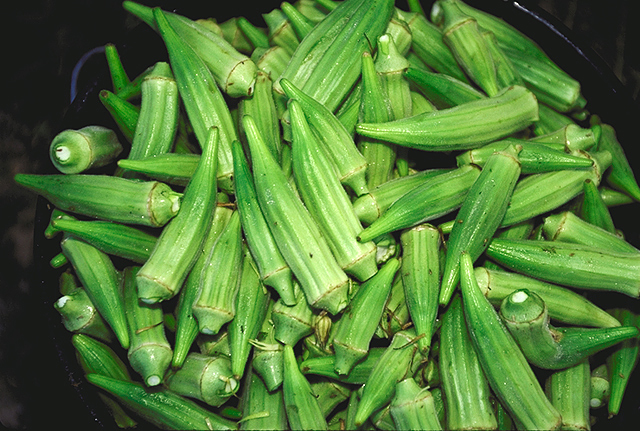
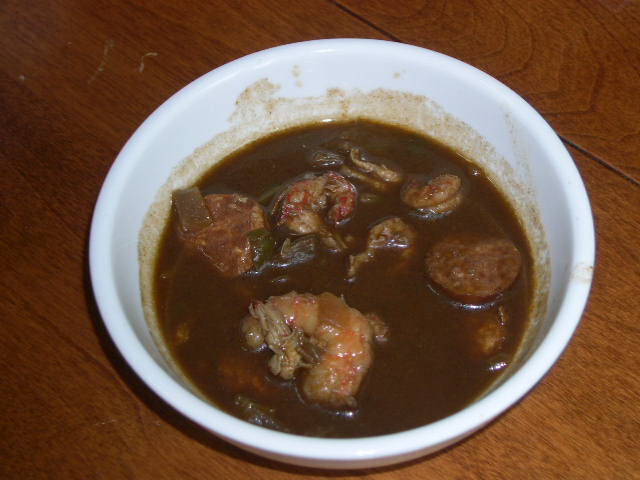
Gumbo is a rich stew from Louisiana, especially known along the Gulf Coast and in New Orleans. It is made with a strongly flavored stock, meat or shellfish, and thickened with either a dark roux, okra, or filé powder. The dish always includes celery, bell pepper, and onion, and is traditionally served hot with rice. Gumbo blends influences from African, French, Spanish, and Native American cooking.
- Official state cuisine of Louisiana
- Always includes celery, bell pepper, and onion
- Thickened with roux, okra, or filé powder
- Served hot over rice
- Blends African, French, Spanish, and Native American influences
What is Gumbo?
Gumbo is a thick, savory stew from Louisiana, often served with rice. Its base is a deeply flavored stock, thickened with a dark roux (a cooked mixture of flour and fat), okra, or filé powder made from sassafras leaves. The dish always includes the 'holy trinity' of vegetables: celery, bell pepper, and onion. Gumbo can feature a mix of meats like chicken, sausage, or duck, or seafood such as shrimp, crab, and oysters. The result is a complex, layered flavor, sometimes with a hint of spice, and a hearty, comforting texture.
Where does Gumbo come from?
Gumbo was created in Louisiana in the early 18th century, shaped by the region’s mix of African, French, Spanish, Native American, and German influences. The name likely comes from West African words for okra, a key ingredient. The dish evolved as enslaved Africans, Native Americans, and European settlers adapted their cooking to local ingredients. Gumbo was first described in 1802 and appeared in cookbooks in the 19th century. Its roots are linked to West African okra stews, French bouillabaisse, and Native American filé-thickened soups.
How is Gumbo made?
To make gumbo, cooks start by preparing a dark roux, blending flour and fat until it reaches a deep brown color. The 'holy trinity' of celery, bell pepper, and onion is sautéed, then combined with the roux and a well-seasoned stock. Depending on the variety, meats like chicken, sausage, or duck, or seafood such as shrimp or crab, are added. Okra or filé powder is used as a thickener, but rarely both in the same pot. The stew simmers for hours, developing its signature depth. Filé powder, if used, is often stirred in after cooking.


How and when is Gumbo eaten?
Gumbo is usually served hot over rice, making it a filling main meal for lunch or dinner. It is enjoyed in homes and at gatherings, especially in Louisiana. The dish is common at festivals and special occasions but is also an everyday comfort food. Gumbo is often shared at large tables, with diners adding filé powder to taste. The hearty, communal nature of the meal reflects its origins as a dish for bringing people together.
Kinds of Gumbo
There are two main types: Creole gumbo, often made with seafood, tomatoes, and sometimes filé, and Cajun gumbo, which uses a dark roux and usually features fowl and sausage. Gumbo z'herbes is a meatless version made with slow-cooked greens, traditionally eaten during Lent. Some versions combine several meats or seafood, and the choice of thickener—roux, okra, or filé—varies by family and region. Modern recipes may include ham or crab in green gumbo.
What Gumbo means
Gumbo is the official state cuisine of Louisiana and is seen as a symbol of the region’s diverse heritage. Its mix of ingredients and influences mirrors the cultural blend of Louisiana itself. The dish is featured at festivals and has been served in the U.S. Senate dining room to honor Louisiana’s culinary traditions. Gumbo’s role as a communal, celebratory food has helped it remain a beloved staple in Southern cooking.
Questions people ask about Gumbo
What is gumbo made of?
Gumbo is made with a strongly flavored stock, meat or shellfish, and thickened with either a dark roux, okra, or filé powder. It always includes celery, bell pepper, and onion, and is served with rice.
Where does gumbo come from?
Gumbo originated in Louisiana, United States, and is especially associated with New Orleans and the Gulf Coast. It reflects a blend of African, French, Spanish, and Native American cooking traditions.
What does gumbo taste like?
Gumbo has a deep, savory flavor with layers from the roux, vegetables, and meats or seafood. It can be spicy or mild, depending on the recipe, and has a thick, hearty texture.
How is gumbo usually served?
Gumbo is traditionally served hot over rice, making it a main meal for lunch or dinner. Diners may add filé powder at the table for extra flavor and thickness.
Are there different types of gumbo?
Yes, Creole gumbo often features seafood and tomatoes, while Cajun gumbo uses a dark roux and usually includes fowl and sausage. There is also a meatless green version called gumbo z'herbes.
Good reading and sources
- Encyclopaedia BritannicaArticle
- Tracing the Roots of GumboEater, Article
- Gumbo's long journey from West AfricaBBC, Article
The facts on this page come from the Wikipedia article "Gumbo", written by its contributors and used under the CC BY-SA 4.0 licence, and from its Wikidata record (CC0). Thali rewrote the text in its own words, with AI assistance, and compares every page with the article to make sure no passage is copied. It may be reused under the same CC BY-SA 4.0 licence with a link back.
It may contain mistakes, and it is not dietary or allergy advice: recipes differ from cook to cook. If something is wrong, tell us. Last refreshed 2026-10-03.
More from the United States
All the food of the United States Pizza
🇮🇹 Italy and 4 moreFlatbread topped with tomato, cheese and baked at high heat
Main dish, Lunch, Dinner
Pizza
🇮🇹 Italy and 4 moreFlatbread topped with tomato, cheese and baked at high heat
Main dish, Lunch, Dinner
 HamburgerMeat
🇺🇸 United States and 1 moreA hot ground meat patty in a sliced bun, often with salad and sauces
Main dish, Lunch, Dinner
HamburgerMeat
🇺🇸 United States and 1 moreA hot ground meat patty in a sliced bun, often with salad and sauces
Main dish, Lunch, Dinner
 SpaghettiVegan
🇮🇹 Italy and 2 moreLong, thin pasta strands made from durum wheat and water
Noodle or pasta dish, Lunch, Dinner
SpaghettiVegan
🇮🇹 Italy and 2 moreLong, thin pasta strands made from durum wheat and water
Noodle or pasta dish, Lunch, Dinner
 Hot dogMeat
🇺🇸 United States and 2 moreA sausage in a sliced bun, topped with condiments and eaten hot
Street food, Lunch, Dinner
Hot dogMeat
🇺🇸 United States and 2 moreA sausage in a sliced bun, topped with condiments and eaten hot
Street food, Lunch, Dinner
Its cousins elsewhere
All stews and curries Peanut stew
🇸🇳 Senegal and 5 moreA rich West African stew of meat and vegetables in a spiced peanut sauce
Stew or curry, Lunch, Dinner
Peanut stew
🇸🇳 Senegal and 5 moreA rich West African stew of meat and vegetables in a spiced peanut sauce
Stew or curry, Lunch, Dinner
 Efo riroẹ̀fọ́ riro
🇳🇬 NigeriaYoruba vegetable soup cooked with leafy greens, peppers, and assorted proteins
Main dish, Lunch, Dinner
Efo riroẹ̀fọ́ riro
🇳🇬 NigeriaYoruba vegetable soup cooked with leafy greens, peppers, and assorted proteins
Main dish, Lunch, Dinner
 RatatouilleVegan
🇫🇷 FranceA Provençal stew of summer vegetables cooked in olive oil
Main dish, Lunch, Dinner
RatatouilleVegan
🇫🇷 FranceA Provençal stew of summer vegetables cooked in olive oil
Main dish, Lunch, Dinner
 BouillabaisseFish or seafood
🇫🇷 FranceA Marseille fish stew with local seafood, herbs, and saffron broth
Stew or curry, Lunch, Dinner
BouillabaisseFish or seafood
🇫🇷 FranceA Marseille fish stew with local seafood, herbs, and saffron broth
Stew or curry, Lunch, Dinner