
Gurasa
Northern Nigerian flatbread baked in a clay oven
Gurasa is a type of bread from northern Nigeria, especially Kano. It is made with flour, yeast, baking powder, and egg, and baked in a clay oven called tanderu. People eat it at breakfast, lunch, or as a snack, either plain or with soups, tea, or local sides.
- Baked in a traditional clay oven called tanderu
- Originated in Kano, northern Nigeria
- Made with flour, yeast, baking powder, and egg
- Eaten with tea, soups, or local snacks
- Supports local economies in Kano and Gurasa village
What is Gurasa?
Gurasa is a round, flat bread from northern Nigeria, most closely linked with Kano. Its dough is made with flour, yeast, baking powder, and egg, giving it a lighter feel than many other breads. The bread is baked in a tanderu, a traditional clay oven used by the Hausa people. Gurasa can be eaten plain, with tea, or alongside soups and local snacks. Its surface is usually golden and slightly crisp, while the inside stays soft.
Where does Gurasa come from?
Gurasa is believed to have been introduced to northern Nigeria by Arabian settlers in Kano, particularly in the Dala area. At first, it was a food enjoyed by the wealthy and royalty. Over time, it spread to the wider population and became a common, affordable bread in the region. Today, it is a staple in many northern Nigerian homes and is also made in villages where its production supports local livelihoods.
How is Gurasa made?
To make gurasa, flour is mixed with yeast, baking powder, and egg to form a soft dough. The dough is shaped into rounds and placed in a tanderu, which is a clay oven heated by fire. The bread bakes quickly in the hot oven, developing a crisp outside and a tender inside. Some versions are simple, while others include extra spices or garnishes for a special touch.

How and when is Gurasa eaten?
Gurasa is eaten at different times of the day, often for breakfast or lunch, and also as a snack. People enjoy it on its own, or with soups like miyan taushe (a pumpkin-based soup), vegetable stews, or with local accompaniments such as tea, kuli-kuli (a crunchy groundnut cake), or suya (spiced grilled meat). It is popular both at home and sold by vendors.
Kinds of Gurasa
There are two main types of gurasa. The basic version is made with the standard ingredients and is widely available. The special type includes added spices or garnishes, making it more flavorful and sometimes more costly. Some families or vendors may use different flours or toppings, but the traditional method and clay oven are central to its character.
What Gurasa means
Gurasa holds a special place in the food culture of northern Nigeria. Its production is a source of income for many, especially in Kano and in Gurasa village, where it is a main occupation. People from other regions travel to learn the trade. Once a food for the elite, it is now a daily bread for people of all backgrounds.
Questions people ask about Gurasa
What is gurasa made of?
Gurasa is made from flour, yeast, baking powder, and egg. The dough is shaped and baked in a clay oven, giving it a light texture and crisp crust.
Where does gurasa come from?
Gurasa comes from northern Nigeria, especially the city of Kano. Its origins are linked to Arabian settlers who introduced it to the region.
How is gurasa traditionally cooked?
Gurasa is traditionally baked in a tanderu, which is a clay oven heated by fire. This method gives the bread its characteristic texture and flavor.
When is gurasa usually eaten?
People eat gurasa at breakfast, lunch, or as a snack. It can be enjoyed plain or with soups, tea, or local sides like kuli-kuli and suya.
Are there different types of gurasa?
Yes, there is a basic version and a special type with added spices or garnishes. The special type is usually more expensive.
Good reading and sources
The facts on this page come from the Wikipedia article "Gurasa", written by its contributors and used under the CC BY-SA 4.0 licence, and from its Wikidata record (CC0). Thali rewrote the text in its own words, with AI assistance, and compares every page with the article to make sure no passage is copied. It may be reused under the same CC BY-SA 4.0 licence with a link back.
It may contain mistakes, and it is not dietary or allergy advice: recipes differ from cook to cook. If something is wrong, tell us. Last refreshed 2026-10-03.
More from Nigeria
All the food of Nigeria UgaliVegan
🇰🇪 Kenya and 5 moreA dense maize porridge served as a staple across much of Africa
Main dish, Lunch, Dinner
UgaliVegan
🇰🇪 Kenya and 5 moreA dense maize porridge served as a staple across much of Africa
Main dish, Lunch, Dinner
 ShawarmaMeatشاورما
🇸🇾 Syria and 5 moreMeat roasted on a vertical spit and sliced into flatbread with sauces and vegetables
Street food, Lunch, Dinner
ShawarmaMeatشاورما
🇸🇾 Syria and 5 moreMeat roasted on a vertical spit and sliced into flatbread with sauces and vegetables
Street food, Lunch, Dinner
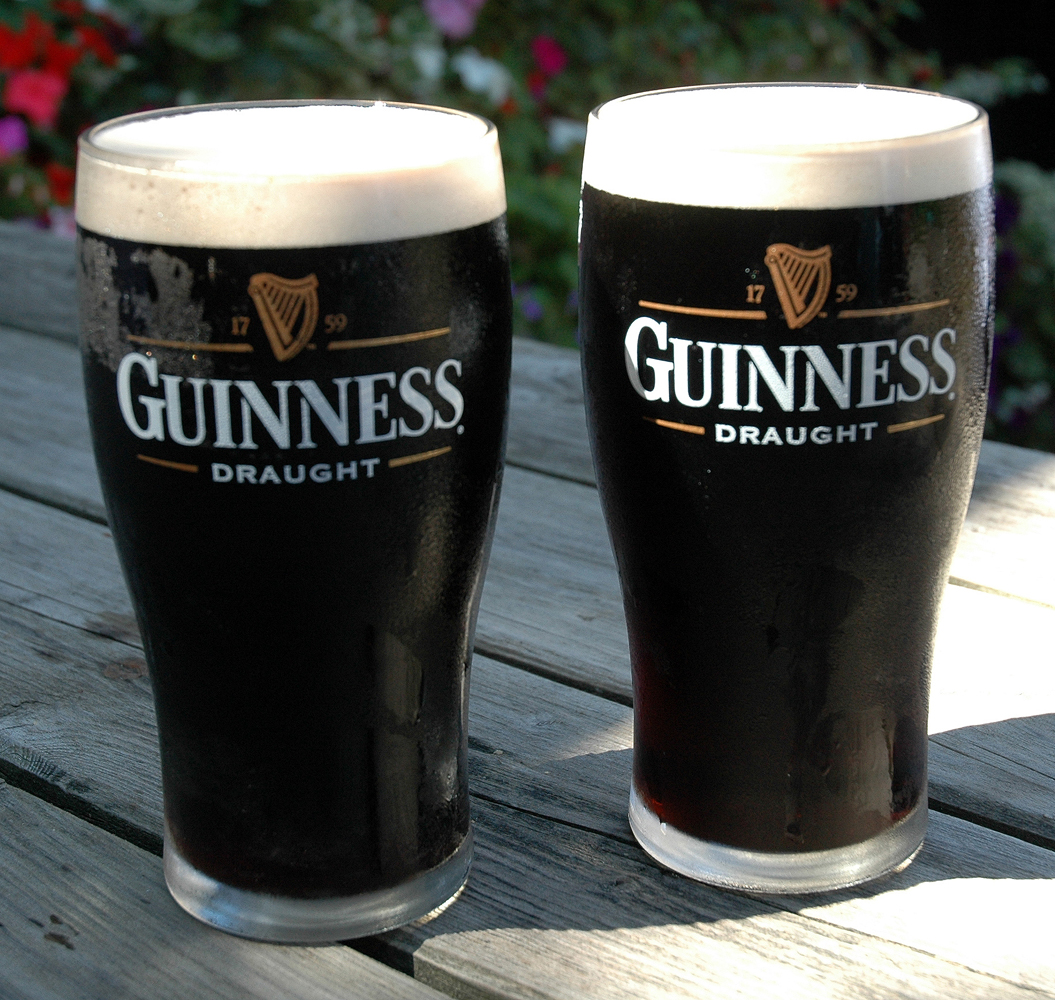 GuinnessVegan
🇮🇪 Ireland and 5 moreA dark Irish stout with a creamy head and dry, roasted flavour
Drink
GuinnessVegan
🇮🇪 Ireland and 5 moreA dark Irish stout with a creamy head and dry, roasted flavour
Drink
 Palm wineVegan
🇳🇬 Nigeria and 5 moreA lightly alcoholic drink made by fermenting the sap of palm trees
Drink
Palm wineVegan
🇳🇬 Nigeria and 5 moreA lightly alcoholic drink made by fermenting the sap of palm trees
Drink
Its cousins elsewhere
All breads PanettoneVegetarian
🇮🇹 Italy and 2 moreTall, sweet Italian bread with candied fruit, eaten at Christmas and New Year
Sweet or dessert, Breakfast, Tea time
PanettoneVegetarian
🇮🇹 Italy and 2 moreTall, sweet Italian bread with candied fruit, eaten at Christmas and New Year
Sweet or dessert, Breakfast, Tea time
 BriocheVegetarianune brioche
🇫🇷 FranceFrench bread made with eggs and butter, often shaped in rounds or loaves
Bread, Breakfast, Snacks
BriocheVegetarianune brioche
🇫🇷 FranceFrench bread made with eggs and butter, often shaped in rounds or loaves
Bread, Breakfast, Snacks
 BarmbrackVegetarianbairín breac
🇮🇪 IrelandIrish yeast bread with sultanas and raisins, often linked to Halloween fortune-telling
Bread, Tea time, Snacks
BarmbrackVegetarianbairín breac
🇮🇪 IrelandIrish yeast bread with sultanas and raisins, often linked to Halloween fortune-telling
Bread, Tea time, Snacks
 BaguetteVegan
🇫🇷 France and 5 moreLong, thin French bread with a crisp crust and soft interior
Bread, Breakfast, Lunch
BaguetteVegan
🇫🇷 France and 5 moreLong, thin French bread with a crisp crust and soft interior
Bread, Breakfast, Lunch