Guinness
A dark Irish stout with a creamy head and dry, roasted flavour
Guinness is a dark beer from Ireland, known for its creamy texture and dry, roasted taste. First brewed in Dublin in the 18th century, it is made from water, barley (both malted and roasted), hops, and yeast. Guinness is now produced in many countries and is especially popular in Ireland and the UK.
- Guinness is brewed in nearly 50 countries and sold in over 120.
- Its dark colour comes from roasted barley.
- Nitrogen is used to create the famous creamy head.
- Guinness is now vegan-friendly after changing its filtration process.
- The Guinness Storehouse in Dublin attracts millions of visitors.
What is Guinness?
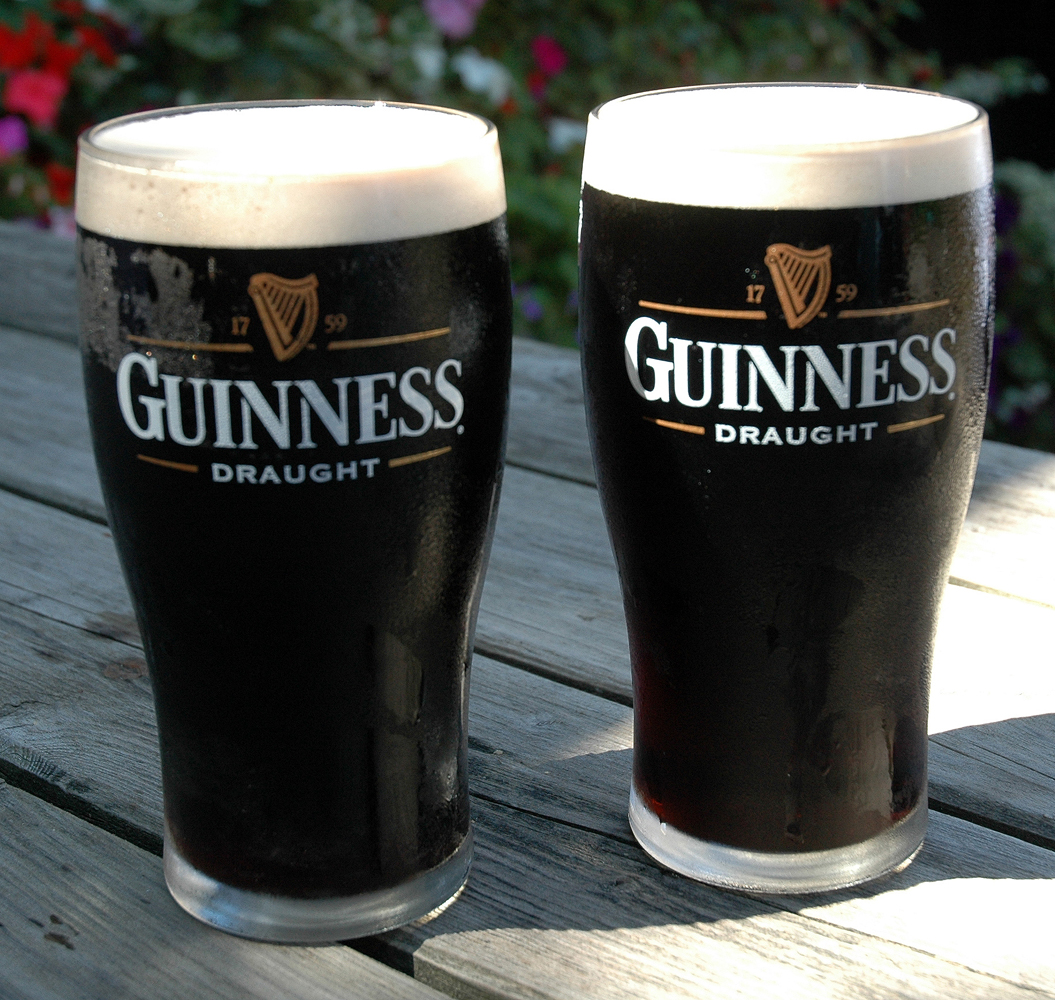
Guinness is a stout, which means it is a type of dark beer. Its deep colour comes from a portion of barley that is roasted before brewing. The beer is known for its thick, creamy foam on top, created by mixing nitrogen and carbon dioxide during pouring. Guinness has a dry, roasted flavour with a noticeable tang. It is officially described as very dark ruby-red, though it appears almost black in the glass.
Where does Guinness come from?
Arthur Guinness began brewing at St. James's Gate in Dublin in 1759. He signed a long-term lease for the site, which became one of the largest breweries in the British Empire. Guinness first sold porter in the late 18th century, and by the 1840s, the brewery was using the word 'stout' for some of its beers. Over time, Guinness became a major exporter and a symbol of Irish brewing.
How is Guinness made?
The main ingredients are water, malted barley, roasted barley, hops, and yeast. Some of the barley is roasted, giving the beer its dark colour and distinct taste. The beer is pasteurised and filtered. For draught versions, nitrogen is added along with carbon dioxide, which produces the signature creamy head and smooth mouthfeel. Guinness no longer uses isinglass (a fish-derived fining agent), making it suitable for vegans.


How and when is Guinness eaten?
Guinness is usually enjoyed as a drink in pubs or at home. It is served cold, often on draught, where the nitrogen mix creates a thick, creamy head. People drink it on its own or alongside food, especially in Ireland and the UK. It is a popular everyday beverage and is also found at celebrations and gatherings.
Kinds of Guinness
There are several types of Guinness, including Guinness Draught, Guinness Original, Guinness Extra Stout, and special editions like West Indies Porter. Alcohol content and taste can vary depending on where it is brewed. Some versions are made for export and have a stronger flavour or higher alcohol content. In recent years, non-alcoholic and coffee-infused versions have also been introduced.
What Guinness means
Guinness is closely linked to Irish identity and is the best-selling beer in Ireland and the UK. The harp logo, based on a famous Irish harp, has been used since the 19th century. The Guinness Storehouse in Dublin is a major tourist site. The beer's creamy head and pouring ritual are well known, and Guinness is often called 'the black stuff' in Ireland.
Questions people ask about Guinness
What is Guinness made from?
Guinness is brewed using water, malted barley, roasted barley, hops, and yeast. The roasted barley gives it its dark colour and distinctive flavour.
Where did Guinness originate?
Guinness was first brewed in Dublin, Ireland, at St. James's Gate Brewery, starting in the 18th century.
Why does Guinness have a creamy head?
The creamy head comes from adding nitrogen along with carbon dioxide when the beer is poured, creating smaller bubbles and a smooth texture.
Is Guinness suitable for vegans?
Yes, Guinness is now vegan-friendly. The brewery stopped using isinglass, a fish-based filtering agent, in its production.
What makes Guinness different from other beers?
Guinness stands out for its dark colour, dry and roasted taste, and the thick, creamy foam that forms on top when served.
Good reading and sources
- Encyclopaedia BritannicaArticle
- World's Largest Burger Costs $8,000Food & Wine, Article
- Veggies beware!The Guardian, Article
- Falling stout bubbles explainedBBC, Article
The facts on this page come from the Wikipedia article "Guinness", written by its contributors and used under the CC BY-SA 4.0 licence, and from its Wikidata record (CC0). Thali rewrote the text in its own words, with AI assistance, and compares every page with the article to make sure no passage is copied. It may be reused under the same CC BY-SA 4.0 licence with a link back.
It may contain mistakes, and it is not dietary or allergy advice: recipes differ from cook to cook. If something is wrong, tell us. Last refreshed 2026-10-03.
More from Ireland
All the food of Ireland Soured milkVegetarian
🇷🇺 Russia and 5 moreMilk thickened and preserved by natural fermentation with wild bacteria
Sauce, pickle or ferment
Blood sausageMeat
🇫🇷 France and 5 moreA sausage made with animal blood, fillers and spices, cooked or dried until firm
Main dish, Lunch, Dinner
Soured milkVegetarian
🇷🇺 Russia and 5 moreMilk thickened and preserved by natural fermentation with wild bacteria
Sauce, pickle or ferment
Blood sausageMeat
🇫🇷 France and 5 moreA sausage made with animal blood, fillers and spices, cooked or dried until firm
Main dish, Lunch, Dinner
 Fish and chipsFish or seafood
🇬🇧 United Kingdom and 8 moreBattered fried fish served hot with thick-cut chips
Main dish, Lunch, Dinner
Fish and chipsFish or seafood
🇬🇧 United Kingdom and 8 moreBattered fried fish served hot with thick-cut chips
Main dish, Lunch, Dinner
 BrieVegetarian
🇫🇷 France and 3 moreSoft French cheese with a white edible rind and creamy interior
Cheese or dairy food, Lunch, Dinner
BrieVegetarian
🇫🇷 France and 3 moreSoft French cheese with a white edible rind and creamy interior
Cheese or dairy food, Lunch, Dinner
Its cousins elsewhere
All drinks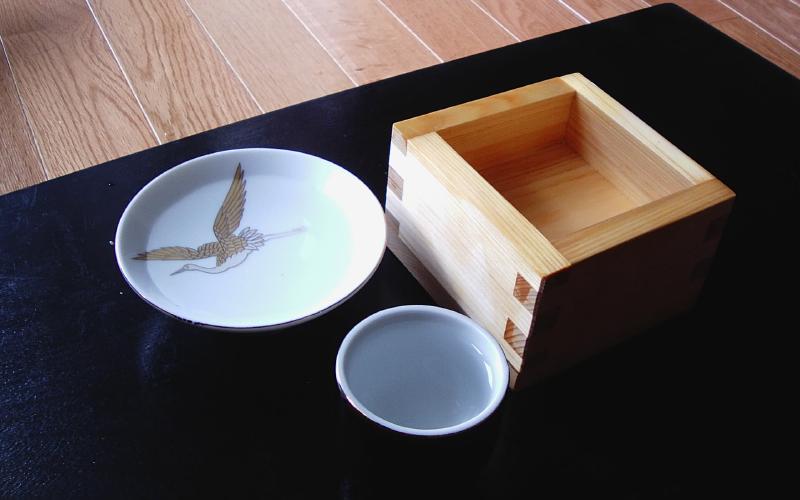 SakeVegan酒
🇯🇵 JapanJapanese alcoholic drink brewed from polished rice and kōji mold
Drink
SakeVegan酒
🇯🇵 JapanJapanese alcoholic drink brewed from polished rice and kōji mold
Drink
 KvassVeganквас
🇷🇺 Russia and 5 moreA tangy, slightly sweet fermented drink made from rye bread or flour
Drink
KvassVeganквас
🇷🇺 Russia and 5 moreA tangy, slightly sweet fermented drink made from rye bread or flour
Drink
 SiwaVeganሰዋ
🇪🇹 Ethiopia and 1 moreHome-brewed Ethiopian and Eritrean beer made from toasted bread and gesho leaves
Drink
SiwaVeganሰዋ
🇪🇹 Ethiopia and 1 moreHome-brewed Ethiopian and Eritrean beer made from toasted bread and gesho leaves
Drink
 SatoVeganสาโท
🇹🇭 ThailandFermented rice drink from northeastern Thailand, often shared from a communal bowl or jar
Drink
SatoVeganสาโท
🇹🇭 ThailandFermented rice drink from northeastern Thailand, often shared from a communal bowl or jar
Drink