
Palm wine
A lightly alcoholic drink made by fermenting the sap of palm trees
Palm wine is a traditional alcoholic drink made from the fermented sap of various palm trees. It is enjoyed in many parts of Africa, South Asia, Southeast Asia, and Latin America, often at social gatherings and ceremonies. The drink is usually white and mildly sweet when fresh, becoming stronger and more sour as it ferments.
- Made by fermenting sap from palm trees like coconut and palmyra
- Fresh palm wine is sweet and low in alcohol; it gets stronger and sourer with time
- Served at weddings, festivals, and family gatherings in many countries
- Known as toddy in India, tubâ in the Philippines, and tuba in Mexico
- Can be distilled into stronger spirits like arrack or lambanog
What is Palm wine?
Palm wine is an alcoholic drink made by fermenting the sap of palm trees such as palmyra, date, coconut, and oil palms. The fresh sap is collected from a cut flower or stem and starts out as a sweet, milky liquid. As it ferments, it becomes mildly alcoholic and can turn more sour and acidic over time. The drink is usually white or cloudy, with a sweet taste when fresh and a stronger, sharper flavor as it ages. It is enjoyed in many regions under different names and is often served at gatherings.
Where does Palm wine come from?
Palm wine has ancient roots, with evidence of its production dating back to the Neolithic period. It is traditional in many parts of Africa and Asia, where different palm species are tapped for their sap. The drink is known by many local names and has become part of social and ceremonial life in countries such as Nigeria, India, the Philippines, and Indonesia. In Mexico, coconut palms and the method of making tuba were introduced from the Philippines in the colonial era.
How is Palm wine made?
To make palm wine, a tapper cuts the flower or stem of a palm tree and attaches a container to collect the sap. The sap begins fermenting almost immediately due to natural yeasts, turning sweet liquid into a mildly alcoholic beverage within hours. The longer it ferments, the stronger and more sour it becomes. In some regions, the wine is distilled into stronger spirits. The process may differ by palm species and local custom, but the basic method is similar across regions.


![Image taken from: Title : "Letters from India and Kashmir: written 1870; illustrated and annotated 1873. [By J. Duguid. With plates.]", "Appendix" Contributor : DUGUID, J. - Author of “Letters from India and Kashmir.” Au](https://upload.wikimedia.org/wikipedia/commons/6/6c/Palm_Wine_Drawers_1870_India.jpg)
How and when is Palm wine eaten?
Palm wine is usually drunk fresh, sometimes within hours of collection, to enjoy its sweet taste. It is served at weddings, festivals, funerals, and everyday gatherings. In some places, it is poured as a sign of respect to ancestors before drinking. The drink may be enjoyed alone or with snacks, and is often sold at special shops or by street vendors. In India and the Philippines, both non-alcoholic and alcoholic versions are popular.
Kinds of Palm wine
There are many regional versions of palm wine. In Nigeria, it is called emu, matango, or mmanya ngwo. In India, it is known as toddy or kallu, with sweet and sour types. The Philippines has tubâ, lambanog, and bahalina, each with different flavors and strengths. In Mexico, tuba fresca is a non-alcoholic version sold with fruit and nuts. Some regions distill palm wine into strong spirits, while others age it with bark for color and taste.
What Palm wine means
Palm wine is deeply woven into social and ritual life in many cultures. It is essential at weddings and other ceremonies in Nigeria and Sierra Leone, and is used in offerings to ancestors. In India and Southeast Asia, it is tied to rural life and local economies. The drink is also associated with festivals, such as the Gawai festival in Malaysia and Indonesia. In some places, laws and customs around its sale and production reflect its importance and changing role in society.
Questions people ask about Palm wine
What is palm wine made from?
Palm wine is made by fermenting the sap collected from various palm trees, such as palmyra, date, coconut, and oil palms. Natural yeasts in the air start the fermentation process as soon as the sap is collected.
Where does palm wine come from?
Palm wine is traditional in many parts of Africa, South Asia, Southeast Asia, and Latin America. It is especially common in countries like Nigeria, India, the Philippines, Indonesia, and Mexico.
What does palm wine taste like?
Fresh palm wine is sweet and slightly milky, with a low alcohol content. As it ferments, it becomes more sour and stronger in alcohol. Some people prefer it fresh, while others like it more aged and tangy.
How is palm wine made?
A tapper collects sap from a cut flower or stem of a palm tree. The sap naturally ferments due to wild yeasts, becoming mildly alcoholic within hours. It can be drunk fresh or allowed to ferment longer for a stronger taste.
Is palm wine always alcoholic?
Freshly collected palm sap is sweet and non-alcoholic, but it starts fermenting quickly. If drunk soon after tapping, it is not alcoholic; if left to ferment, it becomes alcoholic. Some regions also sell non-alcoholic versions.
Good reading and sources
- Encyclopaedia BritannicaArticle
- Fermented and vegetables. A global perspective. Chapter 4.FAO, Article
- Palm Wine - Arca del GustoSlow Food Foundation, Article
- This Ancient Coconut Drink Is a Vital Part of Daily Life in Kerala, IndiaFood & Wine, Article
The facts on this page come from the Wikipedia article "Palm wine", written by its contributors and used under the CC BY-SA 4.0 licence, and from its Wikidata record (CC0). Thali rewrote the text in its own words, with AI assistance, and compares every page with the article to make sure no passage is copied. It may be reused under the same CC BY-SA 4.0 licence with a link back.
It may contain mistakes, and it is not dietary or allergy advice: recipes differ from cook to cook. If something is wrong, tell us. Last refreshed 2026-10-03.
More from Nigeria
All the food of Nigeria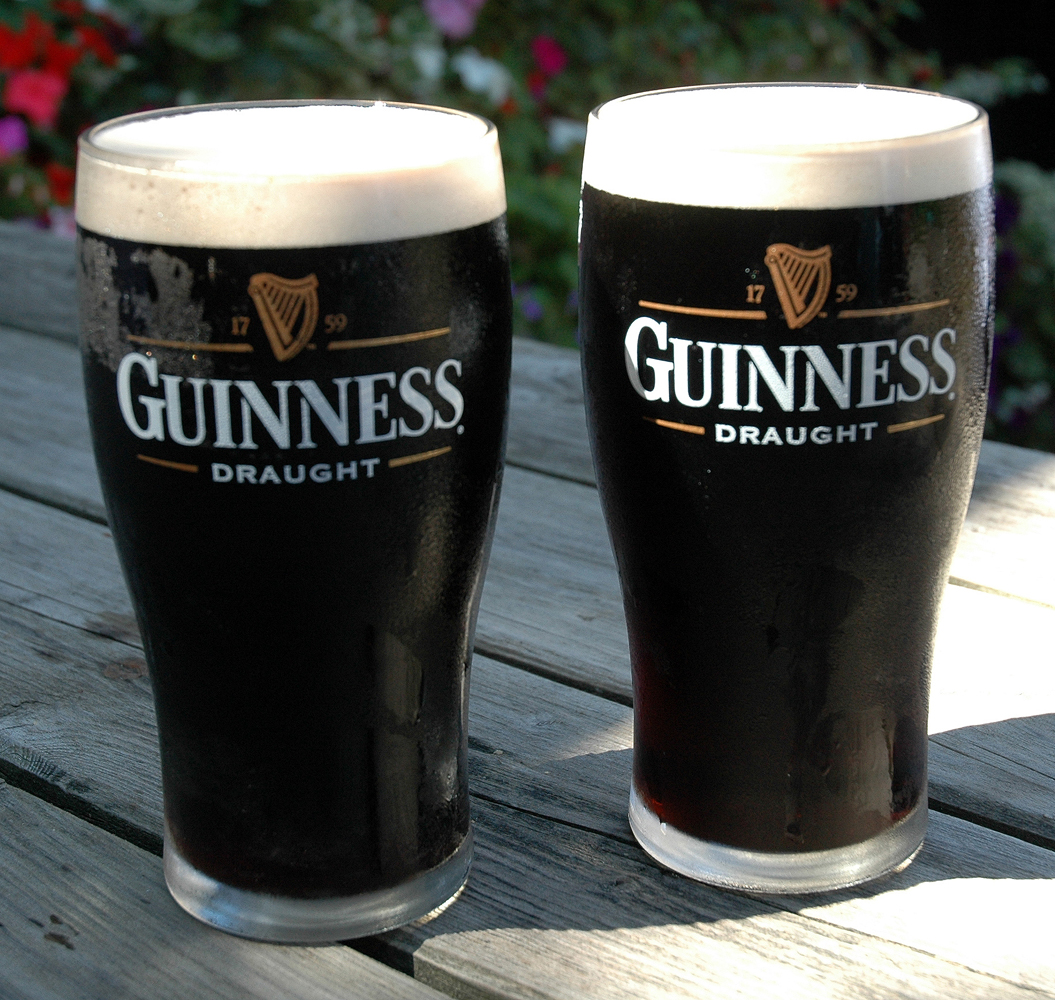 GuinnessVegan
🇮🇪 Ireland and 5 moreA dark Irish stout with a creamy head and dry, roasted flavour
Drink
GuinnessVegan
🇮🇪 Ireland and 5 moreA dark Irish stout with a creamy head and dry, roasted flavour
Drink
 Hibiscus teaVegan
🇳🇬 Nigeria and 5 moreA tart, ruby-red drink made from roselle flower calyces, served hot or cold
Drink, Snacks
Hibiscus teaVegan
🇳🇬 Nigeria and 5 moreA tart, ruby-red drink made from roselle flower calyces, served hot or cold
Drink, Snacks
 PitoVegan
🇬🇭 Ghana and 1 moreA traditional West African beer brewed from millet or sorghum
Drink
PitoVegan
🇬🇭 Ghana and 1 moreA traditional West African beer brewed from millet or sorghum
Drink
 KunuVegan
🇳🇬 Nigeria and 1 moreA traditional Nigerian drink made from grains or tiger nuts
Drink, Snacks
KunuVegan
🇳🇬 Nigeria and 1 moreA traditional Nigerian drink made from grains or tiger nuts
Drink, Snacks
Its cousins elsewhere
All drinks TeaVegan茶
🇨🇳 China and 5 moreA drink made by soaking tea leaves in hot or cold water
Drink
TeaVegan茶
🇨🇳 China and 5 moreA drink made by soaking tea leaves in hot or cold water
Drink
 CoffeeVegan
🇾🇪 Yemen and 5 moreA dark, bitter drink made by brewing roasted coffee beans
Drink, Breakfast, Snacks
CoffeeVegan
🇾🇪 Yemen and 5 moreA dark, bitter drink made by brewing roasted coffee beans
Drink, Breakfast, Snacks
 WineVegan
🇬🇪 Georgia and 5 moreAlcoholic drink made by fermenting grape juice in many styles and colors
Drink
WineVegan
🇬🇪 Georgia and 5 moreAlcoholic drink made by fermenting grape juice in many styles and colors
Drink
 Ice cream
🇺🇸 United States and 5 moreA frozen dessert made from sweetened, flavoured milk or cream
Sweet or dessert, Snacks
Ice cream
🇺🇸 United States and 5 moreA frozen dessert made from sweetened, flavoured milk or cream
Sweet or dessert, Snacks