
Huevos rancheros
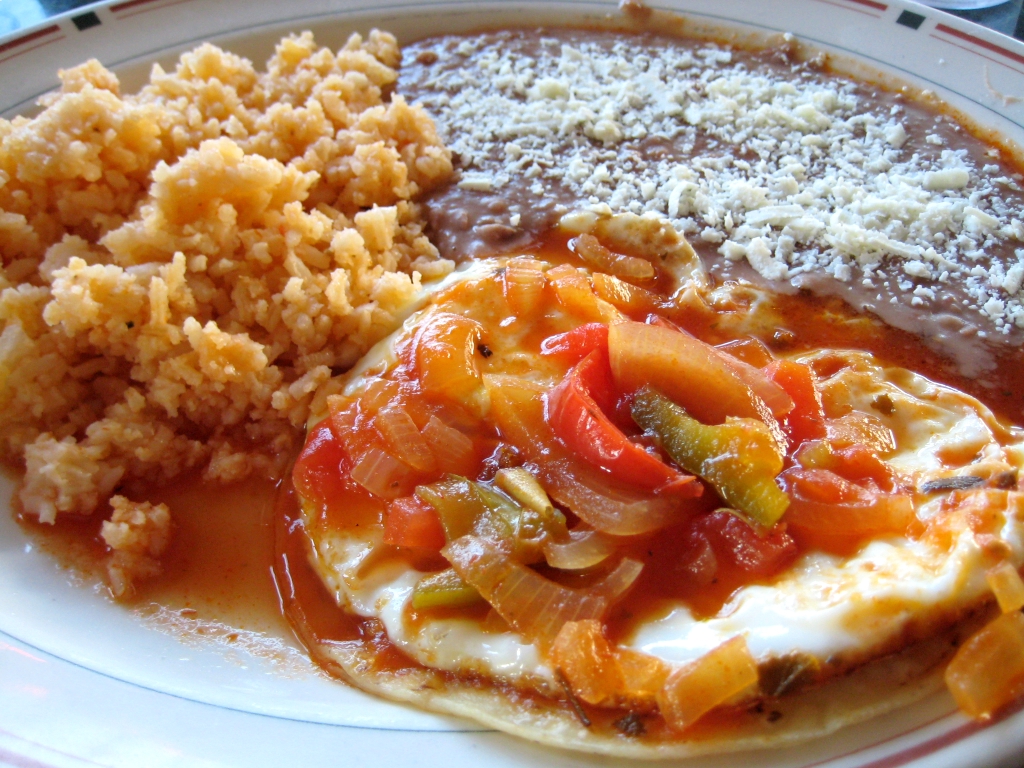
Fried eggs on tortillas with spicy tomato-chile salsa, a classic Mexican breakfast
Huevos rancheros is a Mexican breakfast dish of fried eggs served on tortillas and topped with a spicy salsa made from tomatoes, chili peppers, and onions. It is often accompanied by refried beans, rice, and avocado or guacamole. The dish originated as a hearty mid-morning meal on rural Mexican farms.
- A classic breakfast from rural Mexican farms
- Fried eggs served on tortillas with spicy tomato-chile salsa
- Commonly accompanied by refried beans, rice, and avocado
- Early versions used only eggs and chile sauce, no tortillas
- Variants include huevos divorciados and huevos ahogados
What is Huevos rancheros?
Huevos rancheros is a dish where fried eggs are placed on top of lightly fried or charred corn or flour tortillas. The eggs are covered with a spicy salsa made from tomatoes, chili peppers, and onions. Common sides include refried beans, Mexican-style rice, and slices of avocado or guacamole. The dish is often garnished with fresh cilantro. Its flavors are bold and the salsa brings heat and tang, while the eggs and tortillas provide richness and texture.
Where does Huevos rancheros come from?
The name means 'ranch-style eggs' and comes from the hearty breakfasts eaten by ranch workers in rural Mexico. Early recipes from the 19th century describe eggs cooked in red or green chile sauce, sometimes called 'huevos estrellados en chile colorado' or 'en chile verde.' The name 'huevos rancheros' was later adopted by city dwellers. Originally, the dish did not include tortillas or side dishes, focusing on eggs cooked in chile sauce and topped with aged cheese.
How is Huevos rancheros made?
To make huevos rancheros, eggs are fried and placed on tortillas that have been lightly fried or charred. A salsa is prepared by cooking tomatoes, chili peppers, and onions, sometimes with lard. The salsa is poured over the eggs and tortillas. The dish is often finished with refried beans, rice, avocado, or guacamole on the side, and garnished with cilantro. In some versions, cheese or browned onions are sprinkled on top.



How and when is Huevos rancheros eaten?
Huevos rancheros is typically eaten for breakfast, reflecting its origins as a filling meal for farm workers. It is served hot, often as part of a larger breakfast spread that might include beans, rice, and avocado. In restaurants and homes, it is eaten with a fork and knife, and the tortillas help scoop up the eggs and salsa. The dish is enjoyed both in Mexico and in places where Mexican cuisine has spread.
Kinds of Huevos rancheros
Outside Mexico, huevos rancheros has inspired many variations. Some versions use pureed chile or enchilada sauce instead of the traditional salsa. Non-Mexican additions like cheese, sour cream, and lettuce are common. In New Mexico, local red or green chile replaces ranchero sauce, and hash browns or melted cheese may be added. Variants include huevos divorciados, where each egg is topped with a different salsa, and huevos ahogados, with eggs poached in salsa.
What Huevos rancheros means
Huevos rancheros is a symbol of rural Mexican cooking and is closely tied to the culture of ranch workers and cowboys. It is a staple of Mexican breakfasts and has become popular in other countries as well. The dish appears in historical cookbooks and travel accounts, showing its long-standing role in Mexican food traditions. Its adaptability has led to many regional and international takes.
Questions people ask about Huevos rancheros
What is huevos rancheros made of?
Huevos rancheros consists of fried eggs served on tortillas, topped with a spicy salsa made from tomatoes, chili peppers, and onions. Common sides include refried beans, rice, and avocado or guacamole.
Where does huevos rancheros come from?
Huevos rancheros originated in Mexico, where it was a traditional breakfast for ranch workers on rural farms. The name means 'ranch-style eggs.'
Is huevos rancheros vegetarian?
Yes, the basic dish is vegetarian, as it is made from eggs, tortillas, salsa, and vegetables. However, some variations may include meat or cheese.
How is huevos rancheros traditionally served?
It is served as a breakfast dish, with fried eggs on tortillas, covered in salsa, and often accompanied by refried beans, rice, and avocado or guacamole.
Are there different versions of huevos rancheros?
Yes, there are many regional and international variations. Some use different types of salsa or add cheese, sour cream, or lettuce. New Mexican versions use local chile and may include hash browns or melted cheese.
Good reading and sources
- Huevos rancheros on WikipediaEncyclopedia
- More photos on Wikimedia CommonsPhotos
- Wikidata recordOpen data
The facts on this page come from the Wikipedia article "Huevos rancheros", written by its contributors and used under the CC BY-SA 4.0 licence, and from its Wikidata record (CC0). Thali rewrote the text in its own words, with AI assistance, and compares every page with the article to make sure no passage is copied. It may be reused under the same CC BY-SA 4.0 licence with a link back.
It may contain mistakes, and it is not dietary or allergy advice: recipes differ from cook to cook. If something is wrong, tell us. Last refreshed 2026-10-03.
More from Mexico
All the food of Mexico Taco
🇲🇽 Mexico and 1 moreA folded tortilla filled with meat, beans or vegetables, eaten by hand
Street food, Lunch, Dinner
Blood sausageMeat
🇫🇷 France and 5 moreA sausage made with animal blood, fillers and spices, cooked or dried until firm
Main dish, Lunch, Dinner
Taco
🇲🇽 Mexico and 1 moreA folded tortilla filled with meat, beans or vegetables, eaten by hand
Street food, Lunch, Dinner
Blood sausageMeat
🇫🇷 France and 5 moreA sausage made with animal blood, fillers and spices, cooked or dried until firm
Main dish, Lunch, Dinner
 MolleteVegetarian
🇲🇽 Mexico and 6 moreOpen-faced Mexican sandwich with refried beans and melted cheese
Bread, Breakfast, Snacks
MolleteVegetarian
🇲🇽 Mexico and 6 moreOpen-faced Mexican sandwich with refried beans and melted cheese
Bread, Breakfast, Snacks
 BarbacoaMeat
🇲🇽 Mexico and 3 moreMeat slow-cooked in a pit lined with agave or banana leaves
Main dish, Lunch, Dinner
BarbacoaMeat
🇲🇽 Mexico and 3 moreMeat slow-cooked in a pit lined with agave or banana leaves
Main dish, Lunch, Dinner
Its cousins elsewhere
All main dishes DanwakeVegetarian
🇳🇬 Nigeria and 1 moreBoiled cowpea flour dumplings from northern Nigeria, served with spicy garnishes
Main dish, Lunch, Dinner
DanwakeVegetarian
🇳🇬 Nigeria and 1 moreBoiled cowpea flour dumplings from northern Nigeria, served with spicy garnishes
Main dish, Lunch, Dinner
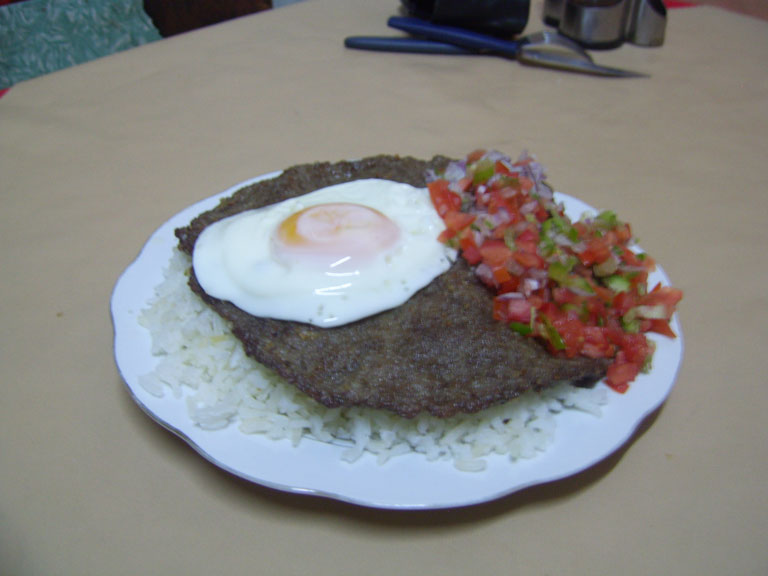 SilpanchoMeatSillp'anchu
🇧🇴 BoliviaLayered Bolivian meal with rice, potatoes, breaded meat, and fried eggs
Main dish, Lunch, Dinner
SilpanchoMeatSillp'anchu
🇧🇴 BoliviaLayered Bolivian meal with rice, potatoes, breaded meat, and fried eggs
Main dish, Lunch, Dinner
 ShakshukaVegetarian
🇹🇳 Tunisia and 5 moreEggs poached in a spiced tomato and pepper sauce from North Africa
Main dish, Breakfast, Dinner
ShakshukaVegetarian
🇹🇳 Tunisia and 5 moreEggs poached in a spiced tomato and pepper sauce from North Africa
Main dish, Breakfast, Dinner
 Chicken tikka masalaMeat
🇬🇧 United Kingdom and 4 moreRoasted marinated chicken in a creamy, spiced tomato-based sauce
Main dish, Lunch, Dinner
Chicken tikka masalaMeat
🇬🇧 United Kingdom and 4 moreRoasted marinated chicken in a creamy, spiced tomato-based sauce
Main dish, Lunch, Dinner