Jaffna crab curry
Spicy crab curry from northern Sri Lanka, simmered with coconut milk and spices
Jaffna crab curry is a spicy seafood dish from northern Sri Lanka, made with crab, coconut milk, curry leaves, and a blend of spices. Traditionally cooked in a claypot, it is enjoyed across the country, especially in coastal areas, and served hot with rice, pittu, or bread.
- Originates from northern Sri Lanka, especially Jaffna
- Made with crab, coconut milk, and a blend of spices
- Often cooked in a claypot for depth of flavor
- Served hot with rice, pittu, or bread
- Drumstick seed pods may be added for extra taste
What is Jaffna crab curry?
Jaffna crab curry is a seafood stew featuring crab pieces simmered in a sauce of coconut milk, curry leaves, and a mix of spices including chili, turmeric, garlic, and ginger. The curry is often cooked in a claypot, which helps deepen the flavors. Drumstick seed pods, from the drumstick tree, are sometimes added for extra taste. The dish is known for its spicy, aromatic sauce and tender crab meat, and is typically served hot.
Where does Jaffna crab curry come from?
This curry comes from the northern regions of Sri Lanka, particularly around Jaffna. It reflects the area's coastal traditions, where seafood is a staple. Over time, Jaffna crab curry has become popular throughout Sri Lanka, especially in seaside communities. Its roots are tied to local fishing and the use of native spices and coconut milk, common in Sri Lankan cooking.
How is Jaffna crab curry made?
To make Jaffna crab curry, blue swimmer or mud crabs are broken into smaller pieces. These are simmered in coconut milk with curry leaves, chili, onion, garlic, ginger, and turmeric. The mixture often includes drumstick seed pods for added flavor. Cooking is usually done in a claypot, which helps blend the spices with the crab. The result is a rich, spicy curry with a creamy texture.
How and when is Jaffna crab curry eaten?
Jaffna crab curry is usually eaten at lunch or dinner. It is served hot, accompanied by rice, pittu (a steamed rice and coconut dish), or bread. A side of thenkai sambal, a coconut relish, is common. The dish is enjoyed in both everyday meals and special gatherings, especially in coastal areas where fresh crab is available.
Kinds of Jaffna crab curry
While the basic recipe uses blue swimmer or mud crabs, other local crab varieties may be used. Some cooks adjust the level of chili or add extra spices for a different heat and flavor. The addition of drumstick seed pods can vary by household. Across Sri Lanka, the dish may be paired with different sides depending on local preference.
What Jaffna crab curry means
Jaffna crab curry is a well-known part of Sri Lankan coastal cuisine. It showcases the use of seafood and spices typical of the region. The dish is popular in homes and restaurants, especially in areas where fishing is central to daily life. Its preparation and sharing are part of local food traditions.
Questions people ask about Jaffna crab curry
What is Jaffna crab curry made of?
It is made with crab, coconut milk, curry leaves, chili, onion, garlic, ginger, turmeric, and sometimes drumstick seed pods. The dish is simmered with these spices to create a spicy, aromatic curry.
Where does Jaffna crab curry come from?
Jaffna crab curry comes from the northern regions of Sri Lanka, especially around Jaffna. It is now enjoyed throughout the country, particularly in coastal areas.
How is Jaffna crab curry usually served?
It is served hot, typically with rice, pittu (a steamed rice and coconut dish), or bread. A coconut sambal called thenkai sambal is often served on the side.
What kind of crab is used in this curry?
Blue swimmer crabs or mud crabs are commonly used, but other local varieties may also be prepared in this style.
Is Jaffna crab curry very spicy?
Yes, it is known for its spicy flavor, which comes from chili and other spices. The level of heat can vary depending on the cook's preference.
Good reading and sources
The facts on this page come from the Wikipedia article "Jaffna crab curry", written by its contributors and used under the CC BY-SA 4.0 licence, and from its Wikidata record (CC0). Thali rewrote the text in its own words, with AI assistance, and compares every page with the article to make sure no passage is copied. It may be reused under the same CC BY-SA 4.0 licence with a link back.
It may contain mistakes, and it is not dietary or allergy advice: recipes differ from cook to cook. If something is wrong, tell us. Last refreshed 2026-10-03.
More from Sri Lanka
All the food of Sri Lanka DosaVegetarianದೋಸೆ
🇮🇳 India and 3 moreA thin, fermented rice and lentil pancake from South India, served hot with chutney and sambar
Main dish, Breakfast, Lunch
DosaVegetarianದೋಸೆ
🇮🇳 India and 3 moreA thin, fermented rice and lentil pancake from South India, served hot with chutney and sambar
Main dish, Breakfast, Lunch
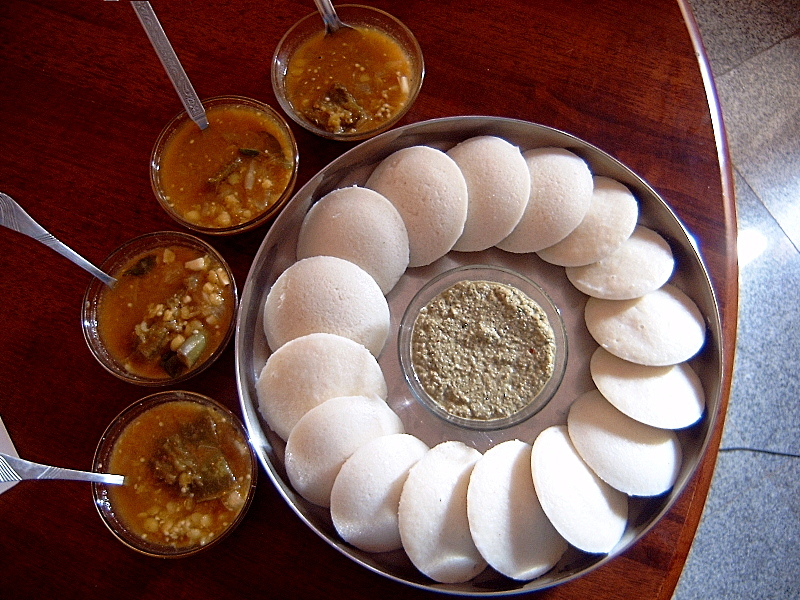 IdliVegetarian
🇮🇳 India and 1 moreSteamed cakes of fermented rice and lentil batter from South India and Sri Lanka
Main dish, Breakfast, Dinner
IdliVegetarian
🇮🇳 India and 1 moreSteamed cakes of fermented rice and lentil batter from South India and Sri Lanka
Main dish, Breakfast, Dinner
 Roti
🇮🇳 India and 5 moreUnleavened flatbread made from whole-wheat flour, common across South Asia and beyond
Bread, Breakfast, Lunch
Roti
🇮🇳 India and 5 moreUnleavened flatbread made from whole-wheat flour, common across South Asia and beyond
Bread, Breakfast, Lunch
 Paratha
🇮🇳 India and 5 moreLayered flatbread from the Indian subcontinent, often fried and sometimes stuffed
Bread, Breakfast, Lunch
Paratha
🇮🇳 India and 5 moreLayered flatbread from the Indian subcontinent, often fried and sometimes stuffed
Bread, Breakfast, Lunch
Its cousins elsewhere
All main dishes BaltiMeatبالٹی گوشت
🇬🇧 United KingdomA British curry cooked quickly in a thin steel wok called a balti bowl
Main dish, Dinner
BaltiMeatبالٹی گوشت
🇬🇧 United KingdomA British curry cooked quickly in a thin steel wok called a balti bowl
Main dish, Dinner
 Chicken tikka masalaMeat
🇬🇧 United Kingdom and 4 moreRoasted marinated chicken in a creamy, spiced tomato-based sauce
Main dish, Lunch, Dinner
Chicken tikka masalaMeat
🇬🇧 United Kingdom and 4 moreRoasted marinated chicken in a creamy, spiced tomato-based sauce
Main dish, Lunch, Dinner
 Moqueca
🇧🇷 Brazil and 1 moreBrazilian seafood stew simmered with tomatoes, onions, lime and coriander
Stew or curry, Lunch, Dinner
Moqueca
🇧🇷 Brazil and 1 moreBrazilian seafood stew simmered with tomatoes, onions, lime and coriander
Stew or curry, Lunch, Dinner
 ShiroVegan
🇪🇹 Ethiopia and 1 moreChickpea or broad bean stew, a staple in Ethiopian and Eritrean meals
Stew or curry, Lunch, Dinner
ShiroVegan
🇪🇹 Ethiopia and 1 moreChickpea or broad bean stew, a staple in Ethiopian and Eritrean meals
Stew or curry, Lunch, Dinner