
Roti
Unleavened flatbread made from whole-wheat flour, common across South Asia and beyond
Roti is a round, unleavened flatbread made from whole-wheat flour called atta, originating from the Indian subcontinent. It is a staple food eaten with curries, vegetables, or as a wrap, and is widely enjoyed in South Asia, the Caribbean, Southeast Asia, and parts of Africa. Roti is usually cooked on a flat griddle and served at any meal.
- Roti is an unleavened flatbread made from whole-wheat flour
- It is a staple food in India and many countries with Indian diaspora
- Roti can be eaten plain or wrapped around savory fillings
- Variations include chapati, tandoori roti, and pol roti
- Caribbean roti is often served as a filled wrap
What is Roti?
Roti is a simple, round flatbread made by mixing whole-wheat flour (called atta) with water, and sometimes a little salt or oil, to form a soft dough. It is rolled into thin discs and cooked on a flat or slightly concave griddle known as a tawa. The bread is soft and flexible, with a mild wheat flavor, and is usually served alongside curries, vegetables, or lentils. Roti is a staple in many households and is eaten daily in much of South Asia and in communities of the Indian diaspora.
Where does Roti come from?
Roti comes from the Indian subcontinent, where it has been a basic part of the diet for centuries. The name comes from Sanskrit, meaning simply 'bread.' It spread to other regions through migration and trade, especially with the movement of Indian laborers to the Caribbean, Africa, and Southeast Asia in the 19th and 20th centuries. Each region has adapted roti to local tastes and ingredients, but its core form as an unleavened flatbread remains unchanged.
How is Roti made?
To make roti, whole-wheat flour is mixed with water to form a soft dough, sometimes with a little salt or oil. The dough is left to rest, then divided into small balls. Each ball is rolled out into a thin circle and cooked on a hot griddle (tawa) until it puffs and develops brown spots. Some versions use other flours like millet or rice, or add ingredients like coconut or spices. In some places, the cooked bread is brushed with butter or ghee for extra softness and flavor.


How and when is Roti eaten?
Roti is eaten at any meal, often as the main bread with curries, vegetables, or lentil dishes. In many cultures, it is used to scoop up food by hand. In the Caribbean and some other regions, roti is also wrapped around fillings like curried meat, vegetables, or potatoes to make a portable meal. In Sri Lanka, thicker coconut rotis are served with sambol or curry. Roti is common both at home and as street food.
Kinds of Roti
There are many types of roti. In India, chapati, phulka, and tandoori roti are popular, while makki di roti uses corn flour. Sri Lanka has pol roti with coconut, and kottu roti made from chopped flatbread stir-fried with vegetables and meat. In the Caribbean, roti is often made into a wrap with curried fillings. Other versions include bajra roti (millet), jowar roti (sorghum), and stuffed types like aloo roti (potato) or dhalpuri (split peas).
What Roti means
Roti is a daily staple in many cultures, symbolizing home-cooked meals and family gatherings. In the Caribbean, it has become a popular street food and a marker of Indo-Caribbean identity. In South Africa and Mauritius, roti reflects the history of Indian migration and adaptation to new lands. The bread is also a sign of hospitality, often shared with guests. Its many forms and uses show its flexibility and importance across regions.
Questions people ask about Roti
What is roti made of?
Roti is made from whole-wheat flour (atta) mixed with water, and sometimes salt or oil. The dough is rolled out and cooked on a griddle.
Where does roti come from?
Roti originated in the Indian subcontinent and is now common in South Asia, the Caribbean, Southeast Asia, and parts of Africa.
How is roti different from naan?
Roti is unleavened, meaning it does not use yeast or other leavening agents, while naan is a leavened bread.
How is roti usually eaten?
Roti is most often served with curries, vegetables, or lentils, and is used to scoop up food by hand. In some places, it is wrapped around fillings.
Are there different types of roti?
Yes, there are many types, such as chapati, makki roti, pol roti, and filled versions like dhalpuri and aloo roti.
Good reading and sources
The facts on this page come from the Wikipedia article "Roti", written by its contributors and used under the CC BY-SA 4.0 licence, and from its Wikidata record (CC0). Thali rewrote the text in its own words, with AI assistance, and compares every page with the article to make sure no passage is copied. It may be reused under the same CC BY-SA 4.0 licence with a link back.
It may contain mistakes, and it is not dietary or allergy advice: recipes differ from cook to cook. If something is wrong, tell us. Last refreshed 2026-10-03.
More from India
All the food of India Kebabكَبَاب
🇹🇷 Turkey and 5 moreGrilled or roasted meat, often on skewers, found across the Middle East and beyond
Main dish, Lunch, Dinner
Kebabكَبَاب
🇹🇷 Turkey and 5 moreGrilled or roasted meat, often on skewers, found across the Middle East and beyond
Main dish, Lunch, Dinner
 Samosa
🇮🇳 India and 5 moreFried or baked pastry with a spiced filling, shaped into triangles or cones
Pie or savoury pastry, Snacks, Lunch
Samosa
🇮🇳 India and 5 moreFried or baked pastry with a spiced filling, shaped into triangles or cones
Pie or savoury pastry, Snacks, Lunch
 Biryani
🇮🇳 India and 5 moreRice and spiced meat or vegetables layered and cooked together
Main dish, Lunch, Dinner
Biryani
🇮🇳 India and 5 moreRice and spiced meat or vegetables layered and cooked together
Main dish, Lunch, Dinner
 French toast
🇫🇷 France and 5 moreBread soaked in egg and milk, pan-fried and served sweet or savoury
Main dish, Breakfast, Snacks
French toast
🇫🇷 France and 5 moreBread soaked in egg and milk, pan-fried and served sweet or savoury
Main dish, Breakfast, Snacks
Its cousins elsewhere
All breads BriocheVegetarianune brioche
🇫🇷 FranceFrench bread made with eggs and butter, often shaped in rounds or loaves
Bread, Breakfast, Snacks
BriocheVegetarianune brioche
🇫🇷 FranceFrench bread made with eggs and butter, often shaped in rounds or loaves
Bread, Breakfast, Snacks
 Pão de queijoVegetarian
🇧🇷 BrazilCheese-filled rolls made with cassava flour, a breakfast and snack food from Brazil
Bread, Breakfast, Snacks
Pão de queijoVegetarian
🇧🇷 BrazilCheese-filled rolls made with cassava flour, a breakfast and snack food from Brazil
Bread, Breakfast, Snacks
 FrybreadVegetarian
🇺🇸 United StatesFlat, deep-fried bread made by Native Americans with flour, water, and fat
Bread, Snacks, Lunch
FrybreadVegetarian
🇺🇸 United StatesFlat, deep-fried bread made by Native Americans with flour, water, and fat
Bread, Snacks, Lunch
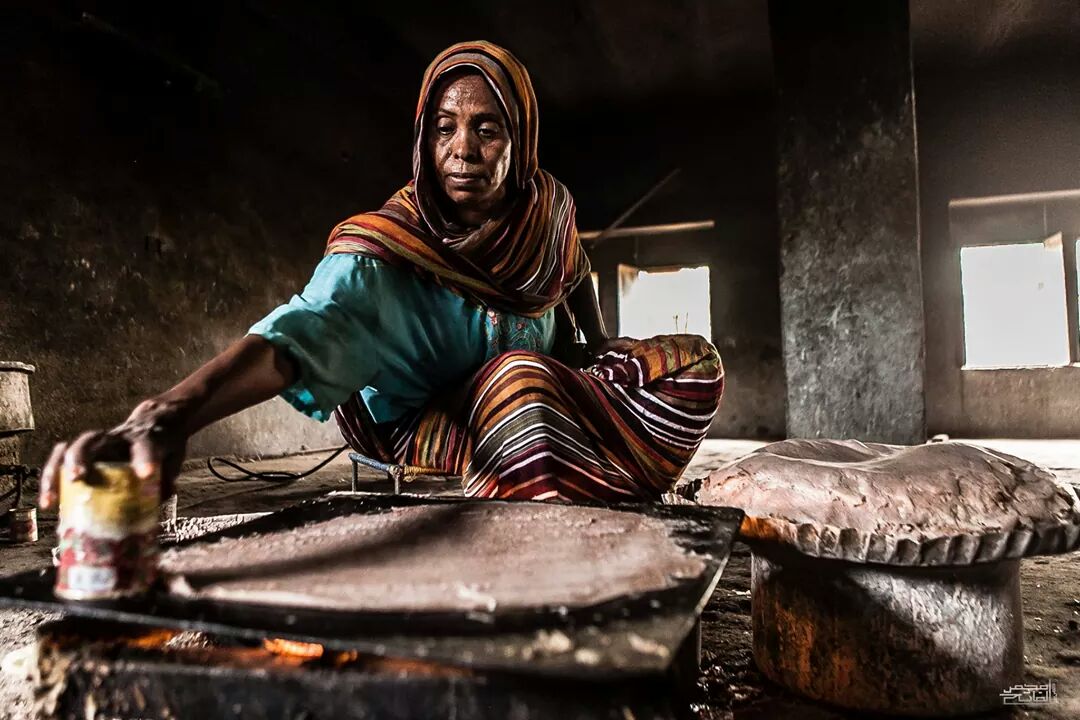 KisraVegan
🇸🇩 Sudan and 5 moreA thin, fermented sorghum flatbread from Sudan and neighboring countries
Bread
KisraVegan
🇸🇩 Sudan and 5 moreA thin, fermented sorghum flatbread from Sudan and neighboring countries
Bread