
Jhunka
A thick, savory gram flour dish from western India, often paired with flatbread
Jhunka is a hearty dish from Maharashtra, North Karnataka, and Goa, made by cooking gram flour with water and spices into a thick porridge or curry. Traditionally served with bhakri, a rustic millet flatbread, it is valued for its balance of fiber, protein, and carbohydrates, and is a staple in rural diets.
- Jhunka is a traditional food in Maharashtra, North Karnataka, and Goa
- Made by cooking gram flour with water and spices
- Often served with bhakri, a millet flatbread
- Known for its balanced nutrition and simplicity
What is Jhunka?
Jhunka is a savory preparation where gram flour (also called besan) is cooked with water to form a thick, spoonable mixture. The base is flavored with a variety of spices and aromatics, including green and red chillies, turmeric, and fried onions. Mustard seeds, ginger, garlic, cumin, and fresh coriander leaves are often added for depth. The result is a golden, hearty dish that is both filling and nutritious, commonly eaten with flatbreads like bhakri or chapati. Its texture is somewhat like a soft porridge or a dense curry.
Where does Jhunka come from?
Jhunka has its roots in the western parts of India, especially Maharashtra, North Karnataka, and Goa. It is closely linked to rural life and is considered a staple for farming communities. The dish is sometimes called pithla or pithle, though these names can refer to slightly different versions, with pithla usually being wetter and milder. In the Vidarbha region, it is known as chun. Over time, jhunka has become a symbol of simple, nourishing food in these regions.
How is Jhunka made?
To prepare jhunka, gram flour is mixed with water to create a smooth, semi-solid batter. This mixture is then cooked in oil along with a blend of spices and aromatics. Common additions include chopped green chillies, red chilli powder, turmeric, and salt. Onions are fried until golden, and then mustard seeds, ginger, garlic, cumin seeds, and fresh coriander leaves are added. The mixture is stirred over heat until it thickens to the desired consistency, resulting in a dish that is both flavorful and substantial.

How and when is Jhunka eaten?
Jhunka is most often served hot alongside bhakri, a thick, unleavened flatbread made from millet or other grains. It can also be eaten with chapati or rice. In Maharashtra, it is considered classic peasant fare and is often accompanied by spicy condiments like kharda or thecha. The dish is a common choice for lunch or dinner, especially in rural households, and is also popular among trekkers visiting local forts.
Kinds of Jhunka
While the core of jhunka remains the same, local variations exist. The wetter, milder version called pithla is sometimes preferred, and in Vidarbha, the dish is known as chun. The choice of spices and accompaniments can differ from one region or household to another. Some may add more chillies for heat, while others keep it mild. The dish is flexible and adapts to what is available in the kitchen.
What Jhunka means
Jhunka holds a special place in the everyday life of Maharashtra and neighboring regions. It is seen as a symbol of simple, wholesome food and is deeply connected to rural traditions. The dish gained political attention in the 1990s when the Maharashtra government tried to popularize it through subsidized food stalls, though the scheme did not last. Today, jhunka remains a beloved staple, especially among those seeking a nutritious, affordable meal.
Questions people ask about Jhunka
What is jhunka made of?
Jhunka is made from gram flour (besan) mixed with water and cooked with spices, onions, and aromatics like ginger, garlic, and cumin seeds.
Where does jhunka come from?
Jhunka is a traditional dish from western India, especially Maharashtra, North Karnataka, and Goa.
How is jhunka usually served?
It is typically served hot with bhakri, a thick millet flatbread, but can also be eaten with chapati or rice.
Is jhunka vegetarian?
Yes, jhunka is a vegetarian dish, as it is made from gram flour, water, spices, and vegetables.
What is the difference between jhunka and pithla?
Jhunka and pithla are similar, but pithla is usually wetter and milder, while jhunka is thicker and more robust in flavor.
Good reading and sources
The facts on this page come from the Wikipedia article "Jhunka", written by its contributors and used under the CC BY-SA 4.0 licence, and from its Wikidata record (CC0). Thali rewrote the text in its own words, with AI assistance, and compares every page with the article to make sure no passage is copied. It may be reused under the same CC BY-SA 4.0 licence with a link back.
It may contain mistakes, and it is not dietary or allergy advice: recipes differ from cook to cook. If something is wrong, tell us. Last refreshed 2026-10-03.
More from India
All the food of India Kebabكَبَاب
🇹🇷 Turkey and 5 moreGrilled or roasted meat, often on skewers, found across the Middle East and beyond
Main dish, Lunch, Dinner
Kebabكَبَاب
🇹🇷 Turkey and 5 moreGrilled or roasted meat, often on skewers, found across the Middle East and beyond
Main dish, Lunch, Dinner
 Biryani
🇮🇳 India and 5 moreRice and spiced meat or vegetables layered and cooked together
Main dish, Lunch, Dinner
Biryani
🇮🇳 India and 5 moreRice and spiced meat or vegetables layered and cooked together
Main dish, Lunch, Dinner
 French toast
🇫🇷 France and 5 moreBread soaked in egg and milk, pan-fried and served sweet or savoury
Main dish, Breakfast, Snacks
French toast
🇫🇷 France and 5 moreBread soaked in egg and milk, pan-fried and served sweet or savoury
Main dish, Breakfast, Snacks
 Fish and chipsFish or seafood
🇬🇧 United Kingdom and 8 moreBattered fried fish served hot with thick-cut chips
Main dish, Lunch, Dinner
Fish and chipsFish or seafood
🇬🇧 United Kingdom and 8 moreBattered fried fish served hot with thick-cut chips
Main dish, Lunch, Dinner
Its cousins elsewhere
All main dishes ShiroVegan
🇪🇹 Ethiopia and 1 moreChickpea or broad bean stew, a staple in Ethiopian and Eritrean meals
Stew or curry, Lunch, Dinner
ShiroVegan
🇪🇹 Ethiopia and 1 moreChickpea or broad bean stew, a staple in Ethiopian and Eritrean meals
Stew or curry, Lunch, Dinner
 GoulashMeatgulyás
🇭🇺 Hungary and 5 moreA paprika-spiced meat and vegetable soup from Hungary
Soup, Lunch, Dinner
GoulashMeatgulyás
🇭🇺 Hungary and 5 moreA paprika-spiced meat and vegetable soup from Hungary
Soup, Lunch, Dinner
 Tavče gravčeVegetarianТавче-гравче
🇲🇰 North MacedoniaBaked beans in a clay pot, a Macedonian main dish
Main dish, Lunch, Dinner
Tavče gravčeVegetarianТавче-гравче
🇲🇰 North MacedoniaBaked beans in a clay pot, a Macedonian main dish
Main dish, Lunch, Dinner
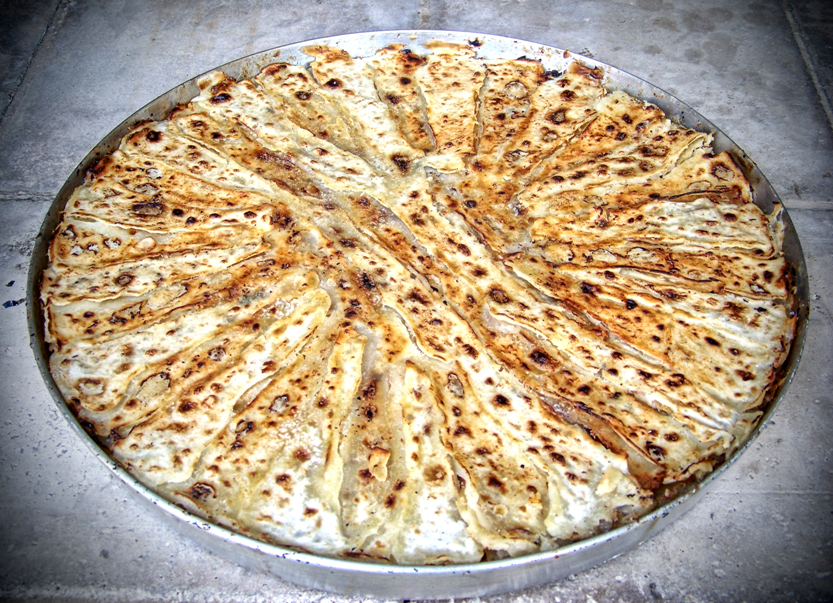 FliaVegetarianfli
🇦🇱 Albania and 1 moreLayered Albanian dish baked in the shape of the sun
Main dish, Lunch, Dinner
FliaVegetarianfli
🇦🇱 Albania and 1 moreLayered Albanian dish baked in the shape of the sun
Main dish, Lunch, Dinner