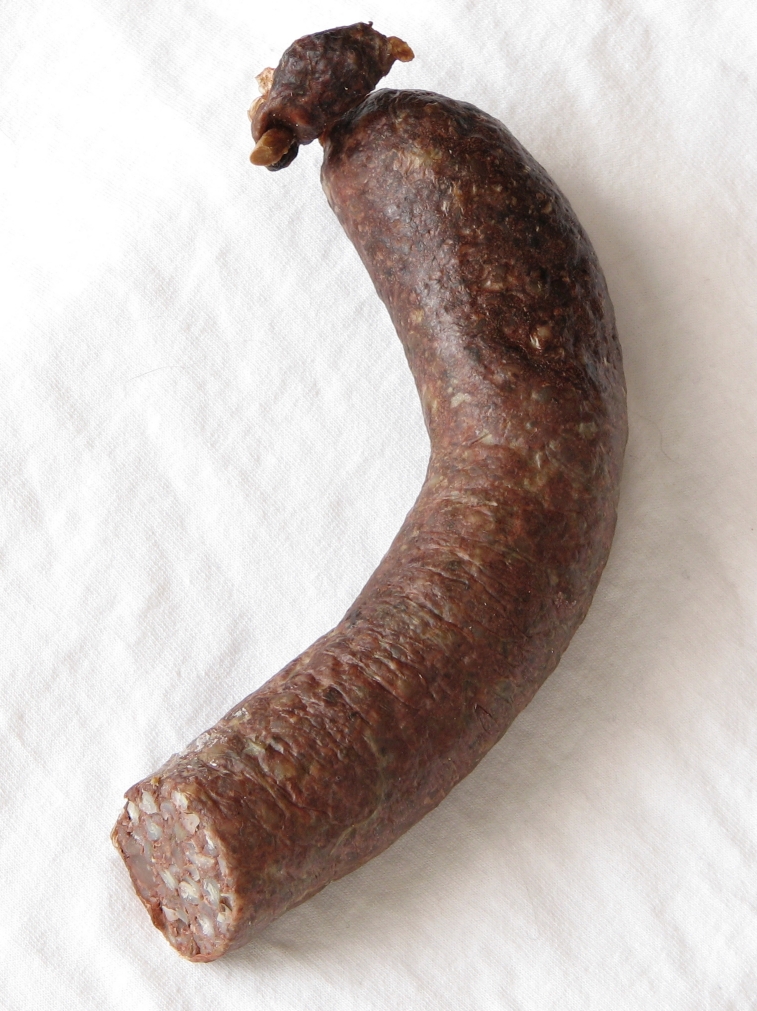
Kaszanka
Blood sausage with buckwheat or barley, pork offal and spices, stuffed in pig intestine
Kaszanka is a blood sausage from Central and Eastern Europe, made by mixing pig's blood, pork offal such as liver, and buckwheat or barley, then stuffing the mixture into pig intestine. It is seasoned with onion, black pepper, and marjoram, and can be eaten cold or, more often, grilled or fried with onions and served with potatoes and sauerkraut.
- Made with pig's blood, pork offal, and buckwheat or barley
- Usually grilled or fried and served with potatoes and sauerkraut
- Known by many names across Central and Eastern Europe
- Seasoned with onion, black pepper, and marjoram
What is Kaszanka?
Kaszanka is a type of blood sausage found across Central and Eastern Europe. It combines pig's blood, pork offal such as liver, and a grain—usually buckwheat or barley. The mixture is seasoned with onion, black pepper, and marjoram, then packed into pig intestine. The sausage is dark in color and has a dense, grainy texture from the groats. Its flavor is rich and savory, with the spices and onion balancing the earthiness of the blood and offal.
Where does Kaszanka come from?
The origins of kaszanka are likely in Germany or Denmark, but today it is common in many Central and Eastern European countries. Over time, each region has developed its own name and slight variations, but the core idea of combining blood, offal, and grains remains. The dish reflects a tradition of using all parts of the animal and making hearty, filling food from simple ingredients.
How is Kaszanka made?
To make kaszanka, pig's blood is mixed with chopped pork offal, often including liver, and either buckwheat or barley. Onion, black pepper, and marjoram are added for flavor. The mixture is then stuffed into cleaned pig intestine, forming sausages. These are cooked and can be eaten as they are, or further grilled or fried, often with extra onions.
How and when is Kaszanka eaten?
Kaszanka can be eaten cold, but it is more commonly grilled or fried, sometimes with onions. It is typically served as a main dish for lunch or dinner, accompanied by potatoes and sauerkraut. The sausage is sliced and may be enjoyed at home or from street vendors, especially in regions where it is a local specialty.
Kinds of Kaszanka
Many countries have their own versions and names for this sausage. In Poland, it is called kaszanka or kiszka; in Germany, names like Grützwurst, Knipp, and Pinkel are used. Silesia has krupniok and żymlok, the latter made with bread roll instead of buckwheat. Other names include kryvianka in Belarus, jelito in Czechia, and krvavica in Serbia and Slovenia. Some versions use barley instead of buckwheat, and seasoning may differ.
What Kaszanka means
Kaszanka is an everyday food in the regions where it is found, reflecting local traditions of resourceful cooking. It is not tied to a specific festival or religious event, but is valued for its hearty nature and use of humble ingredients. The many local names and slight differences show its importance in regional food culture.
Questions people ask about Kaszanka
What is kaszanka made of?
Kaszanka is made from pig's blood, pork offal such as liver, and buckwheat or barley. It is seasoned with onion, black pepper, and marjoram, then stuffed into pig intestine.
Where does kaszanka come from?
Kaszanka likely originated in Germany or Denmark and is now found throughout Central and Eastern Europe, including Poland, Slovenia, Slovakia, Austria, and Belarus.
How is kaszanka usually served?
It can be eaten cold, but is more often grilled or fried with onions and served with potatoes and sauerkraut.
What does kaszanka taste like?
The sausage has a rich, savory flavor from the blood and offal, balanced by the grains and spices like onion and marjoram.
Are there different versions of kaszanka?
Yes, many regions have their own names and slight variations, such as Grützwurst in Germany and krupniok in Silesia, with differences in grain or seasoning.
Good reading and sources
The facts on this page come from the Wikipedia article "Kaszanka", written by its contributors and used under the CC BY-SA 4.0 licence, and from its Wikidata record (CC0). Thali rewrote the text in its own words, with AI assistance, and compares every page with the article to make sure no passage is copied. It may be reused under the same CC BY-SA 4.0 licence with a link back.
It may contain mistakes, and it is not dietary or allergy advice: recipes differ from cook to cook. If something is wrong, tell us. Last refreshed 2026-10-03.
More from Germany
All the food of Germany HamburgerMeat
🇺🇸 United States and 1 moreA hot ground meat patty in a sliced bun, often with salad and sauces
Main dish, Lunch, Dinner
HamburgerMeat
🇺🇸 United States and 1 moreA hot ground meat patty in a sliced bun, often with salad and sauces
Main dish, Lunch, Dinner
 Hot dogMeat
🇺🇸 United States and 2 moreA sausage in a sliced bun, topped with condiments and eaten hot
Street food, Lunch, Dinner
Hot dogMeat
🇺🇸 United States and 2 moreA sausage in a sliced bun, topped with condiments and eaten hot
Street food, Lunch, Dinner
 Peking duckMeat北京烤鸭
🇨🇳 China and 4 moreCrisp-skinned roast duck from Beijing, carved and served with pancakes and condiments
Main dish, Dinner, Lunch
Peking duckMeat北京烤鸭
🇨🇳 China and 4 moreCrisp-skinned roast duck from Beijing, carved and served with pancakes and condiments
Main dish, Dinner, Lunch
 Doner kebab
🇹🇷 Turkey and 5 moreMeat roasted on a vertical spit, sliced and served in bread or on a plate
Main dish, Lunch, Dinner
Doner kebab
🇹🇷 Turkey and 5 moreMeat roasted on a vertical spit, sliced and served in bread or on a plate
Main dish, Lunch, Dinner
Its cousins elsewhere
All main dishes SuaasatMeat
🇬🇱 GreenlandGreenlandic soup made with seal, whale, caribou or seabird meat
Soup, Lunch, Dinner
SuaasatMeat
🇬🇱 GreenlandGreenlandic soup made with seal, whale, caribou or seabird meat
Soup, Lunch, Dinner
 Pelmeniпельмени
🇷🇺 RussiaRussian dumplings filled with seasoned meat and wrapped in thin dough
Dumpling, Lunch, Dinner
Pelmeniпельмени
🇷🇺 RussiaRussian dumplings filled with seasoned meat and wrapped in thin dough
Dumpling, Lunch, Dinner
 Kabab koobidehMeatکباب کوبیده
🇮🇷 IranIranian skewered kebab of ground lamb or beef mixed with onion and spices
Main dish, Lunch, Dinner
Kabab koobidehMeatکباب کوبیده
🇮🇷 IranIranian skewered kebab of ground lamb or beef mixed with onion and spices
Main dish, Lunch, Dinner
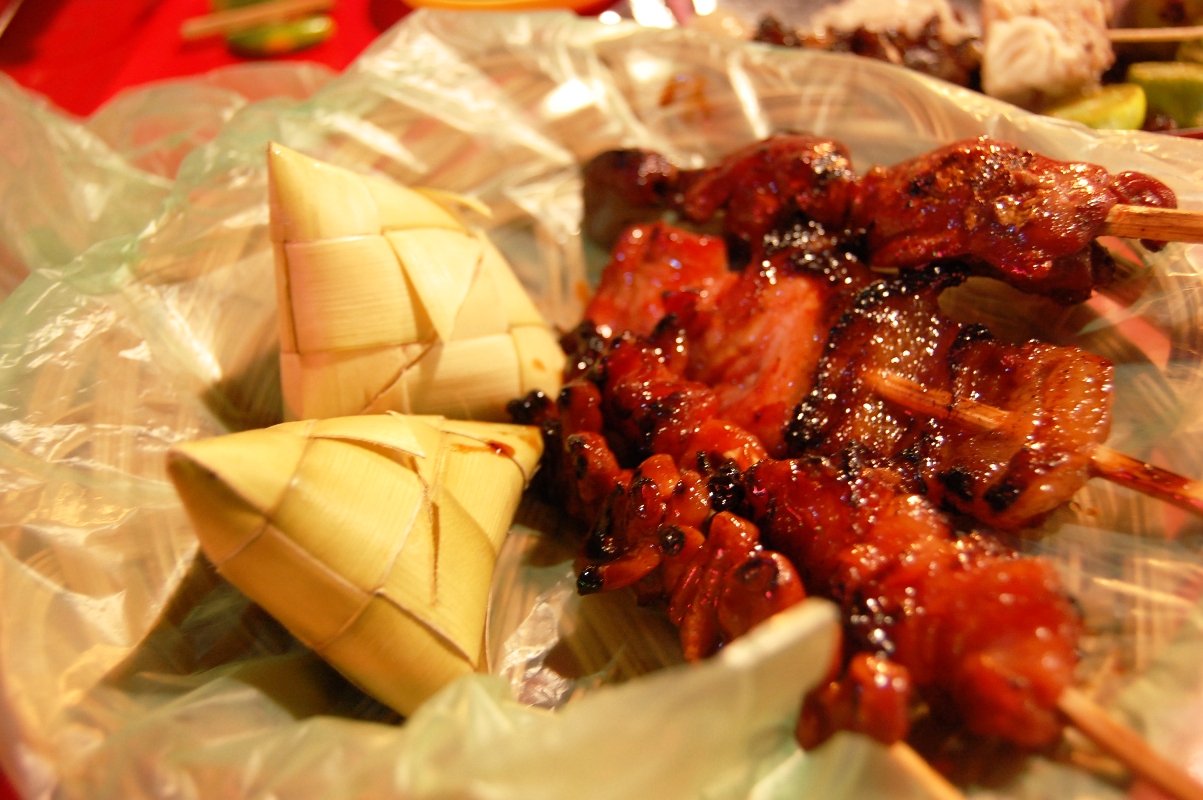 Inihaw
🇵🇭 PhilippinesGrilled meats and seafood, often on skewers, from the Philippines
Main dish, Lunch, Dinner
Inihaw
🇵🇭 PhilippinesGrilled meats and seafood, often on skewers, from the Philippines
Main dish, Lunch, Dinner