
Kava
A traditional Pacific drink made from the root of the kava plant
Kava is a ceremonial and social drink from the Pacific Islands, made by grinding the root of the Piper methysticum plant and mixing it with water or coconut milk. Known for its numbing effect and mild psychoactive properties, kava is central to gatherings in places like Vanuatu, Fiji, Samoa, and Tonga. It is shared in communal settings and valued for its calming effects.
- Kava is made from the root of the Piper methysticum plant
- The drink produces a numbing effect in the mouth
- Noble kava varieties are preferred for regular drinking
- Kava is central to ceremonies and social gatherings in the Pacific
- Vanuatu strictly regulates kava exports to ensure quality
What is Kava?
Kava is a drink made from the root of the Piper methysticum plant, native to the Pacific Islands. The root is ground and mixed with water or sometimes coconut milk, then strained into a communal bowl. The resulting liquid is earthy, muddy in color, and has a bitter taste. When drunk, it produces a numbing sensation in the mouth and a calming, mildly intoxicating effect. Kava is not sweet or alcoholic, but is valued for its relaxing properties and is often consumed in groups.
Where does Kava come from?
Kava comes from the Pacific Islands, especially Vanuatu, where it was first domesticated from its wild ancestor, Piper wichmanii, about 3,000 years ago. The plant and its use spread eastward with the Lapita culture into Polynesia and parts of Micronesia and Melanesia. Traditionally, kava was made from fresh root, but dried root preparations became common after Christian missionaries tried to ban kava drinking. The drink has deep roots in local culture and is linked to ritual, social gatherings, and hospitality.
How is Kava made?
To prepare kava, the root is harvested—usually from plants at least four years old—then ground or pounded. The ground root is mixed with water or coconut milk and kneaded or stirred to extract its active compounds. The mixture is strained, often through cloth or natural fibers, and poured into a communal bowl. In modern settings outside the Pacific, dried kava powder is soaked in water and strained. The drink is served cold and consumed soon after preparation.


How and when is Kava eaten?
Kava is typically consumed in groups, often as part of ceremonies or social gatherings. It is served in a communal bowl, and participants drink from shared cups. In the Pacific, kava is central to welcoming guests, marking important events, and religious or cultural rituals. The drink is not usually paired with food, and its effects are felt soon after drinking. The numbing and calming sensations are part of the experience, and conversation and storytelling often follow.
Kinds of Kava
There are hundreds of kava cultivars across the Pacific, each with unique properties. Noble kava varieties are preferred for regular drinking due to their pleasant effects and lower risk of side effects. Non-noble types, such as tudei kava, are reserved for special occasions in Vanuatu and are not exported. Each region has favored cultivars, like Borogu in Pentecost Island and Moʻi in Hawaii, with some varieties linked to royalty or sacred use.
What Kava means
Kava holds a special place in Pacific Island societies, symbolizing hospitality, respect, and tradition. It is used in ceremonies, festivals, and religious offerings, such as in hula rituals in Hawaii. Laws in places like Vanuatu protect the quality and authenticity of exported kava, allowing only noble varieties. Kava bars and nakamals (traditional meeting houses) are common gathering spots, and the drink is a marker of cultural identity and community.
Questions people ask about Kava
What is kava made of?
Kava is made from the root of the Piper methysticum plant, which is ground and mixed with water or coconut milk to create a drink.
Where does kava come from?
Kava originated in Vanuatu in the Pacific Islands and spread to places like Fiji, Samoa, Tonga, and Hawaii.
What does kava taste like?
Kava has a bitter, earthy taste and is muddy in appearance. It produces a numbing sensation in the mouth.
How is kava usually served?
Kava is served cold in a communal bowl, and participants drink from shared cups, often during ceremonies or social gatherings.
Is kava alcoholic?
No, kava is not alcoholic. It has mild psychoactive effects but does not cause significant cognitive impairment or addiction.
Good reading and sources
The facts on this page come from the Wikipedia article "Kava", written by its contributors and used under the CC BY-SA 4.0 licence, and from its Wikidata record (CC0). Thali rewrote the text in its own words, with AI assistance, and compares every page with the article to make sure no passage is copied. It may be reused under the same CC BY-SA 4.0 licence with a link back.
It may contain mistakes, and it is not dietary or allergy advice: recipes differ from cook to cook. If something is wrong, tell us. Last refreshed 2026-10-03.

Its cousins elsewhere
All drinks TeaVegan茶
🇨🇳 China and 5 moreA drink made by soaking tea leaves in hot or cold water
Drink
TeaVegan茶
🇨🇳 China and 5 moreA drink made by soaking tea leaves in hot or cold water
Drink
 VodkaVeganwódka
🇷🇺 Russia and 5 moreA clear spirit distilled from grains or potatoes, known for its neutral taste
Drink
VodkaVeganwódka
🇷🇺 Russia and 5 moreA clear spirit distilled from grains or potatoes, known for its neutral taste
Drink
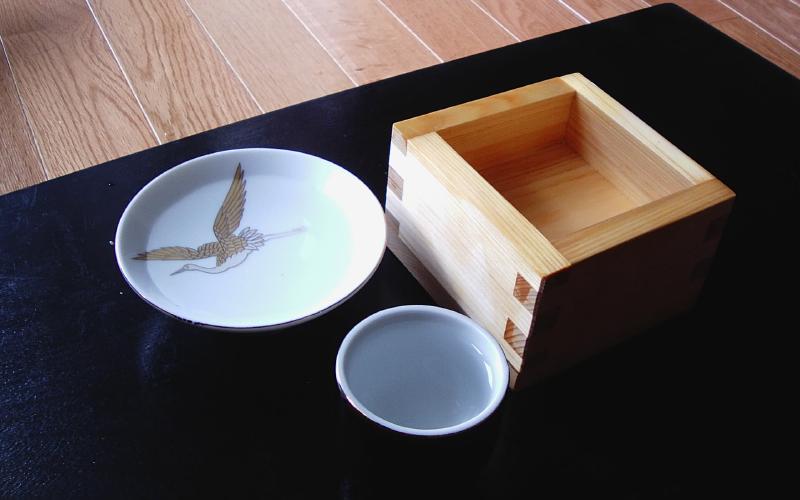 SakeVegan酒
🇯🇵 JapanJapanese alcoholic drink brewed from polished rice and kōji mold
Drink
SakeVegan酒
🇯🇵 JapanJapanese alcoholic drink brewed from polished rice and kōji mold
Drink
 KvassVeganквас
🇷🇺 Russia and 5 moreA tangy, slightly sweet fermented drink made from rye bread or flour
Drink
KvassVeganквас
🇷🇺 Russia and 5 moreA tangy, slightly sweet fermented drink made from rye bread or flour
Drink