Sake
In its own language: 酒
Japanese alcoholic drink brewed from polished rice and kōji mold
Sake is a traditional Japanese alcoholic drink made by fermenting rice with the help of kōji mold and yeast. Its alcohol content is usually between 15% and 22%. Sake is enjoyed in Japan at ceremonies and meals, served warm or cold depending on the type. The drink has deep roots in Japanese culture and history.
- Sake is made by fermenting polished rice with kōji mold and yeast
- Alcohol content is usually between 15% and 22%
- Served warm or cold depending on the style
- Used in Japanese ceremonies and religious offerings
- Nada-Gogō in Hyōgo is a major sake-producing region
What is Sake?
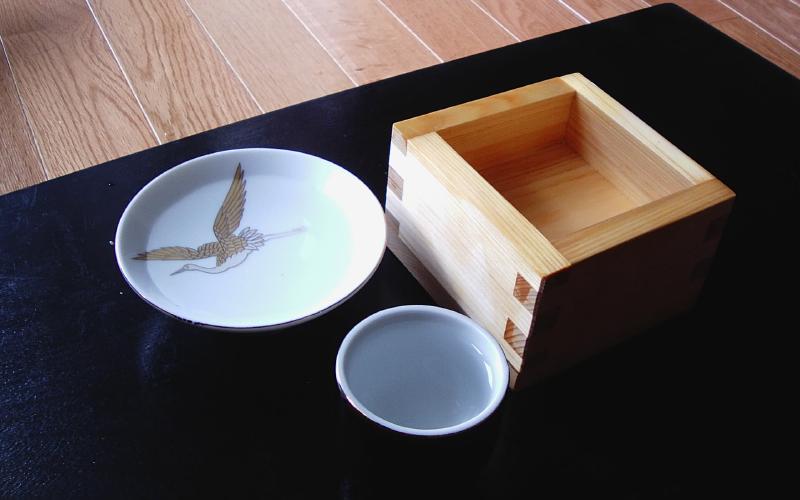
Sake is a clear or slightly cloudy alcoholic beverage from Japan, made by fermenting rice with water, kōji mold (a fungus that helps break down starches), and yeast. The rice used is specially chosen and polished to remove the outer layers. Sake can range from dry to sweet, and its alcohol strength is generally higher than beer or wine. It is sometimes served warm in small cups, but can also be enjoyed chilled, depending on the style.
Where does Sake come from?
The beginnings of sake are not fully known, but rice fermentation methods reached Japan from China around 500 BCE. Early Japanese texts mention alcoholic drinks, and sake as it is known today likely developed during the Nara period. Over time, Buddhist temples and Shinto shrines became important centers for brewing. Key changes in production, such as using kōji mold and new fermentation techniques, shaped the drink into its modern form.
How is Sake made?
To make sake, rice is first milled to remove the outer layers, then washed, soaked, and steamed. Kōji mold is added to some of the rice to convert starches into sugars. This kōji rice is mixed with more rice, water, and yeast in a process called multiple parallel fermentation, where sugar and alcohol are produced at the same time. After fermentation, the mixture is pressed to separate the liquid, which is sometimes diluted with water before bottling.


How and when is Sake eaten?
Sake is enjoyed in many settings, from formal ceremonies to casual meals. It can be served warm in small ceramic bottles and cups, or chilled in glasses. The choice of temperature depends on the type and personal preference. Sake often accompanies Japanese dishes and is sometimes part of religious or festive rituals. It is also offered at shrines and used in celebrations.
Kinds of Sake
There are many types of sake, differing in rice variety, polishing rate, and brewing method. Some are clear, while others are unfiltered and cloudy. Techniques such as adding distilled alcohol or aging the drink create further differences. Certain regions in Japan, like Nada-Gogō, are famous for their sake, and some breweries use traditional wooden tubs or modern steel tanks.
What Sake means
Sake holds a special place in Japanese life, both as a daily drink and in rituals. It is the national beverage and is often part of religious offerings at shrines. Sake barrels are displayed at festivals, and the drink is used in ceremonies and celebrations. Its production and enjoyment are tied to Japanese history, with some breweries tracing their roots back centuries.
Questions people ask about Sake
What is sake made from?
Sake is made using rice, water, kōji mold (a fungus that helps with fermentation), and yeast. The rice is specially polished to remove the outer layers before brewing.
Where does sake come from?
Sake comes from Japan, where it has been brewed for centuries and is considered the national alcoholic drink.
How strong is sake?
Sake usually has an alcohol content between 15% and 22%. Some types are diluted with water before bottling to adjust the strength.
How is sake different from wine or beer?
Unlike wine, which ferments natural sugars from fruit, sake is brewed by converting rice starches into sugars and then fermenting them, a process more similar to beer.
How is sake served?
Sake can be served warm or cold, depending on the type and occasion. It is often poured into small cups or glasses and enjoyed with Japanese food or during ceremonies.
Good reading and sources
The facts on this page come from the Wikipedia article "Sake", written by its contributors and used under the CC BY-SA 4.0 licence, and from its Wikidata record (CC0). Thali rewrote the text in its own words, with AI assistance, and compares every page with the article to make sure no passage is copied. It may be reused under the same CC BY-SA 4.0 licence with a link back.
It may contain mistakes, and it is not dietary or allergy advice: recipes differ from cook to cook. If something is wrong, tell us. Last refreshed 2026-10-03.
More from Japan
All the food of Japan TeaVegan茶
🇨🇳 China and 5 moreA drink made by soaking tea leaves in hot or cold water
Drink
TeaVegan茶
🇨🇳 China and 5 moreA drink made by soaking tea leaves in hot or cold water
Drink
 Ice cream
🇺🇸 United States and 5 moreA frozen dessert made from sweetened, flavoured milk or cream
Sweet or dessert, Snacks
Ice cream
🇺🇸 United States and 5 moreA frozen dessert made from sweetened, flavoured milk or cream
Sweet or dessert, Snacks
 Bubble tea珍珠奶茶
🇹🇼 Taiwan and 5 moreSweet tea with chewy tapioca pearls, served hot or cold
Drink
Bubble tea珍珠奶茶
🇹🇼 Taiwan and 5 moreSweet tea with chewy tapioca pearls, served hot or cold
Drink
 Soy milkVegan豆奶
🇨🇳 China and 5 moreA plant-based drink made by soaking, grinding, and boiling soybeans
Drink, Breakfast, Snacks
Soy milkVegan豆奶
🇨🇳 China and 5 moreA plant-based drink made by soaking, grinding, and boiling soybeans
Drink, Breakfast, Snacks
Its cousins elsewhere
All drinks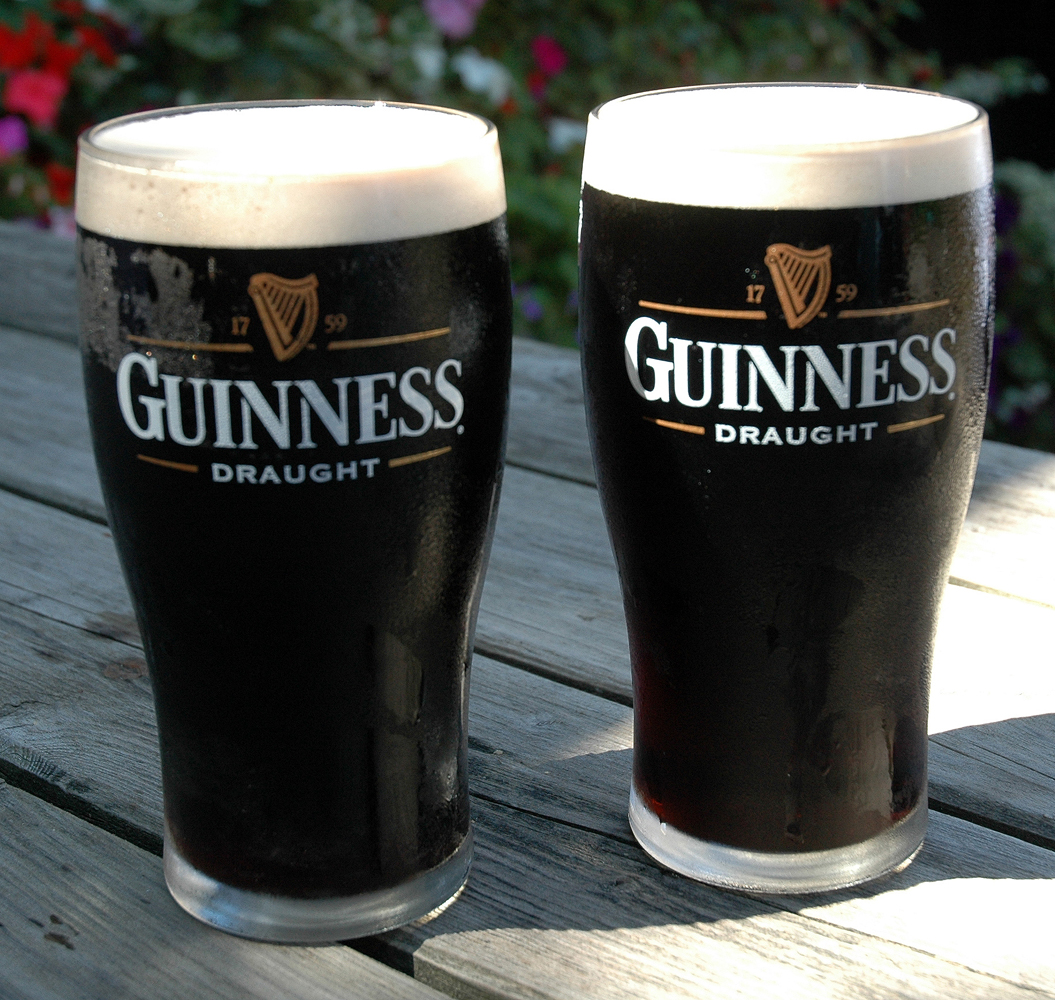 GuinnessVegan
🇮🇪 Ireland and 5 moreA dark Irish stout with a creamy head and dry, roasted flavour
Drink
GuinnessVegan
🇮🇪 Ireland and 5 moreA dark Irish stout with a creamy head and dry, roasted flavour
Drink
 SiwaVeganሰዋ
🇪🇹 Ethiopia and 1 moreHome-brewed Ethiopian and Eritrean beer made from toasted bread and gesho leaves
Drink
SiwaVeganሰዋ
🇪🇹 Ethiopia and 1 moreHome-brewed Ethiopian and Eritrean beer made from toasted bread and gesho leaves
Drink
 SimaVegan
🇫🇮 FinlandFinnish sparkling lemon drink, lightly fermented and sweet
Drink, Snacks
SimaVegan
🇫🇮 FinlandFinnish sparkling lemon drink, lightly fermented and sweet
Drink, Snacks
 KölschVegan
🇩🇪 GermanyPale, top-fermented beer from Cologne, served in slender glasses
Drink
KölschVegan
🇩🇪 GermanyPale, top-fermented beer from Cologne, served in slender glasses
Drink