
Tea
In its own language: 茶
A drink made by soaking tea leaves in hot or cold water
Tea is a drink made by soaking the leaves of Camellia sinensis, a shrub from East Asia, in hot or cold water. First recorded in China, tea is now enjoyed worldwide in many forms, from plain infusions to sweetened or spiced versions, and can be served hot or iced.
- Tea is made from the leaves of Camellia sinensis
- First written record of tea dates to 59 BC in China
- Tea can be served hot or cold, plain or with milk and sugar
- It is the most consumed drink after water worldwide
- Tea contains caffeine, giving it a mild stimulating effect
What is Tea?
Tea is made by soaking the processed or fresh leaves of the Camellia sinensis plant in water. The drink can be clear or cloudy, light green to dark brown, depending on the type and how it is prepared. Some teas taste slightly bitter or astringent, while others can be sweet, floral, grassy, or even nutty. The caffeine in tea gives it a mild stimulating effect. People often drink it plain, but it can also be mixed with milk, sugar, spices, or even salt.
Where does Tea come from?
The tea plant is native to East Asia, with its earliest use traced to a region stretching from present-day southwestern China through parts of India and Myanmar. Written records from China mention tea as early as 59 BC, and archaeological finds show it was consumed by Han dynasty emperors. Tea drinking spread from southern China to other parts of Asia, and later to Europe and beyond, becoming a global beverage. Over time, different ways of processing and preparing tea developed, leading to the many varieties known today.
How is Tea made?
To make tea, leaves from the Camellia sinensis plant are picked and then processed in various ways. Some are steamed, rolled, or dried to produce green, black, oolong, or other types of tea. The leaves are then steeped in hot water, usually in a teapot or cup, for a few minutes. Some teas are simmered, especially compressed or fermented kinds. Modern methods include using tea bags, infusers, or powdered forms like matcha. Tea can also be served cold, as in iced tea or bubble tea.


How and when is Tea eaten?
Tea is usually drunk as a beverage, either hot or cold. It can be enjoyed plain or with additions like milk, sugar, or spices, depending on local preferences. In some places, tea is sweetened or flavored with salt or butter. People drink tea at home, in tea houses, or as part of social gatherings. It is a daily drink for many and can also be part of ceremonies or special occasions in different cultures.
Kinds of Tea
There are many types of tea, shaped by how the leaves are processed. Green, black, oolong, and yellow teas differ in how much the leaves are oxidized or heated. Some teas are pressed into cakes or bricks, while others are left loose or powdered. Regional styles include milk tea, butter tea, and spiced chai. Tea can be served hot or cold, and new forms like bubble tea have become popular in recent years.
What Tea means
Tea has played a central role in social life and ceremonies in many countries, especially in China, Japan, and the United Kingdom. It has inspired rituals like the Japanese tea ceremony and is a staple in daily routines around the world. Tea drinking spread along trade routes and became a symbol of hospitality and comfort. In some countries, it is considered the national drink.
Questions people ask about Tea
What is tea made from?
Tea is made by soaking the processed or fresh leaves of the Camellia sinensis plant in water. The leaves contain caffeine and tannins, which give tea its flavor and mild stimulating effect.
Where did tea originate?
Tea originated in East Asia, with its earliest use traced to areas now in China, India, and Myanmar. The first written records of tea come from China.
How is tea usually prepared?
Tea is typically made by steeping tea leaves in hot water for a few minutes. It can also be simmered, especially for compressed or fermented teas. Modern methods include tea bags, infusers, or powdered tea.
What does tea taste like?
Tea can taste slightly bitter or astringent, but some types have sweet, floral, grassy, or nutty notes. The flavor depends on the type of tea and how it is processed.
Is tea always served hot?
No, tea can be served hot or cold. While hot tea is common, iced tea and other cold tea drinks are also popular in many places.
Good reading and sources
- Encyclopaedia BritannicaArticle
- Most UK teabags not fully biodegradeable, research revealsThe Guardian, Article
The facts on this page come from the Wikipedia article "Tea", written by its contributors and used under the CC BY-SA 4.0 licence, and from its Wikidata record (CC0). Thali rewrote the text in its own words, with AI assistance, and compares every page with the article to make sure no passage is copied. It may be reused under the same CC BY-SA 4.0 licence with a link back.
It may contain mistakes, and it is not dietary or allergy advice: recipes differ from cook to cook. If something is wrong, tell us. Last refreshed 2026-10-03.
More from China
All the food of China KumisКымыз
🇲🇳 Mongolia and 4 moreFermented mare's milk drink from the Central Asian steppe
Drink
KumisКымыз
🇲🇳 Mongolia and 4 moreFermented mare's milk drink from the Central Asian steppe
Drink
 Bubble tea珍珠奶茶
🇹🇼 Taiwan and 5 moreSweet tea with chewy tapioca pearls, served hot or cold
Drink
Bubble tea珍珠奶茶
🇹🇼 Taiwan and 5 moreSweet tea with chewy tapioca pearls, served hot or cold
Drink
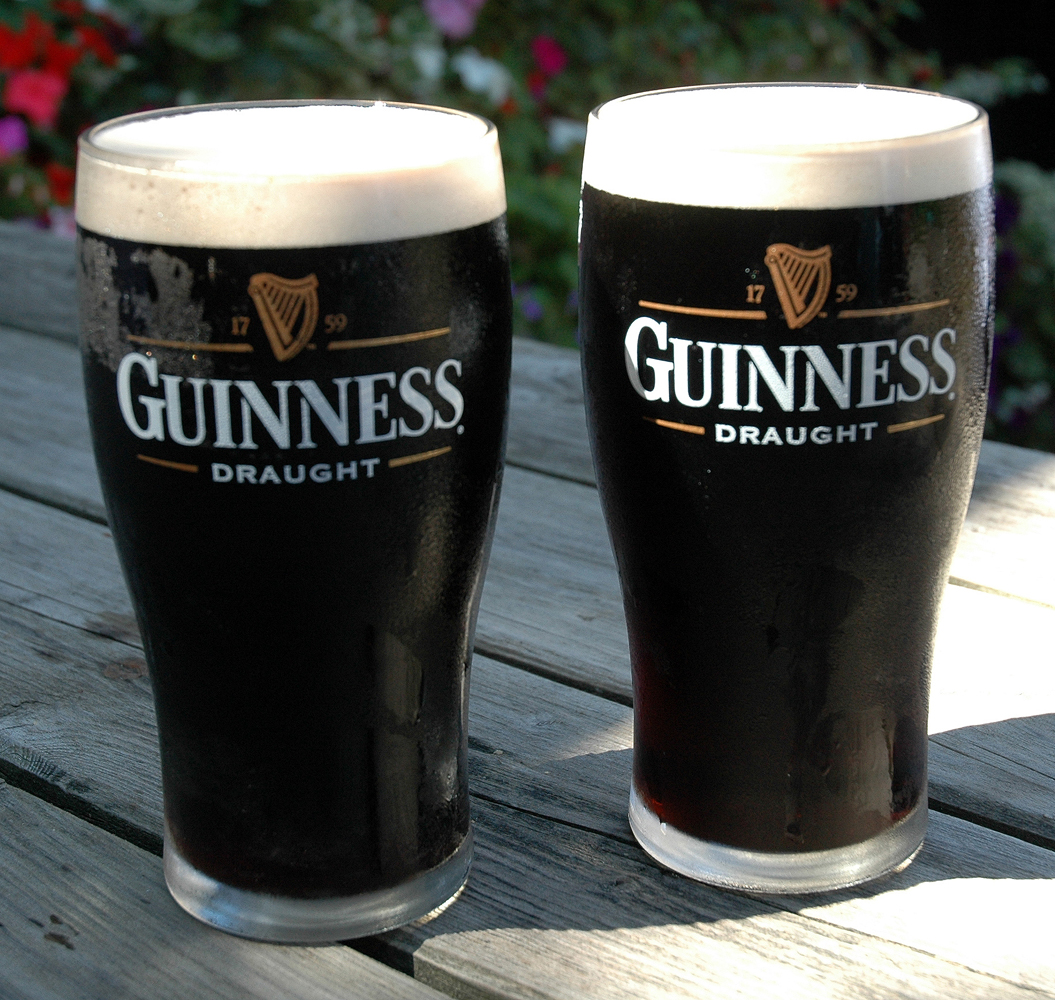 GuinnessVegan
🇮🇪 Ireland and 5 moreA dark Irish stout with a creamy head and dry, roasted flavour
Drink
GuinnessVegan
🇮🇪 Ireland and 5 moreA dark Irish stout with a creamy head and dry, roasted flavour
Drink
 Soy milkVegan豆奶
🇨🇳 China and 5 moreA plant-based drink made by soaking, grinding, and boiling soybeans
Drink, Breakfast, Snacks
Soy milkVegan豆奶
🇨🇳 China and 5 moreA plant-based drink made by soaking, grinding, and boiling soybeans
Drink, Breakfast, Snacks
Its cousins elsewhere
All drinks Hot chocolate
🇲🇽 Mexico and 5 moreA warm drink made from chocolate or cocoa, milk or water, and sugar
Drink, Breakfast, Snacks
Hot chocolate
🇲🇽 Mexico and 5 moreA warm drink made from chocolate or cocoa, milk or water, and sugar
Drink, Breakfast, Snacks
 SimaVegan
🇫🇮 FinlandFinnish sparkling lemon drink, lightly fermented and sweet
Drink, Snacks
SimaVegan
🇫🇮 FinlandFinnish sparkling lemon drink, lightly fermented and sweet
Drink, Snacks
 LimeadeVegan
🇧🇸 Bahamas and 5 moreSweetened lime juice mixed with water, served cold as a refreshing drink
Drink, Snacks
LimeadeVegan
🇧🇸 Bahamas and 5 moreSweetened lime juice mixed with water, served cold as a refreshing drink
Drink, Snacks
 OuzoVeganούζο
🇬🇷 Greece and 1 moreGreek anise-flavored spirit, often served with water and meze
Drink, Snacks
OuzoVeganούζο
🇬🇷 Greece and 1 moreGreek anise-flavored spirit, often served with water and meze
Drink, Snacks