
Kvass
In its own language: квас
A tangy, slightly sweet fermented drink made from rye bread or flour
Kvass is a traditional fermented beverage from northeastern and eastern Europe, made by fermenting rye bread or rye flour with malt, yeast, and water. It is mildly alcoholic, cloudy, and has a sweet-sour taste. Kvass is enjoyed cold or at room temperature and is popular in Russia, Belarus, Ukraine, Poland, and the Baltic countries.
- Kvass is made by fermenting rye bread or flour with malt and yeast
- The drink is mildly alcoholic, usually under 1% alcohol by weight
- Kvass can be flavored with berries, fruit, herbs, or honey
- It is popular in Russia, Belarus, Ukraine, Poland, and the Baltic region
- Modern kvass is often sold in bottles or from large containers
What is Kvass?
Kvass is a cloudy, lightly fizzy drink with a gentle tang and a hint of sweetness. Its base is usually rye bread or rye flour, combined with malt, yeast, and water, which gives it a distinctive grainy aroma and flavor. The alcohol content is low, typically less than 1%, making it suitable for all ages in many places. Kvass can be found in many variations, sometimes flavored with fruits, berries, herbs, or honey. The drink is usually served cold or at room temperature and is a familiar sight in markets and shops across eastern Europe.
Where does Kvass come from?
Kvass has deep roots in northeastern Europe, where it became a staple because local grain harvests were not enough for widespread beer brewing. Its history stretches back at least to the 10th century, when it was already known among Slavic peoples. Over time, kvass became a symbol of East Slavic food culture, spreading to neighboring regions. The drink was made at home for centuries, but by the late 1800s, it was also produced and sold commercially, especially as urbanization and new technologies grew.
How is Kvass made?
To make kvass in the traditional way, dried rye bread or a mix of rye flour and malt is soaked in hot water. After cooling, yeast and sometimes sugar are added, and the mixture is left to ferment for about half a day. Some versions use a wort concentrate or malt extract, especially in modern factories. The finished drink is filtered and sometimes adjusted for sweetness. Kvass is usually bottled or sold from large containers, and can be flavored with fruit, berries, or herbs.


How and when is Kvass eaten?
Kvass is enjoyed as a refreshing drink, especially in warm weather. It is often served on its own, but can also be paired with light meals or snacks. In some regions, kvass is used as a base for cold soups or mixed with other ingredients for added flavor. The drink is commonly found in shops, markets, and sometimes from street vendors, and is a familiar part of daily life in many eastern European countries.
Kinds of Kvass
There are many local versions of kvass. Some are made with beetroot, giving a deep color and earthy taste, while others use white bread for a lighter flavor. In Lithuania, kvass called 'gira' can be made from different grains or even with apples or berries. In Estonia, 'kali' is the local name, and it is often made with special bread or malt concentrate. Flavored kvass with mint, fruit, or honey is also common.
What Kvass means
Kvass is closely tied to the everyday culture of Russia, Belarus, Ukraine, and neighboring countries. It is seen as a symbol of local tradition and is often associated with summer and communal gatherings. In Latvia and Lithuania, it has experienced a revival, with local producers winning awards and competing with international soft drinks. In some places, regulations define what can be called kvass, protecting its identity as a fermented drink.
Questions people ask about Kvass
What is kvass made from?
Kvass is made by fermenting rye bread or rye flour with malt, yeast, and water. Sometimes sugar is added, and it can be flavored with berries, fruit, herbs, or honey.
Where does kvass come from?
Kvass originated in northeastern Europe and is especially common in Russia, Belarus, Ukraine, Poland, and the Baltic countries.
Is kvass alcoholic?
Kvass is a fermented drink with a low alcohol content, usually between 0.5% and 1%, though it can sometimes be higher.
How is kvass served?
Kvass is served cold or at room temperature. It is sold in bottles or from large containers and can be found in shops, markets, and sometimes from street vendors.
Are there different types of kvass?
Yes, there are many versions, including those made with beetroot, white bread, or flavored with fruit, berries, or herbs. Each region has its own traditions.
Good reading and sources
The facts on this page come from the Wikipedia article "Kvass", written by its contributors and used under the CC BY-SA 4.0 licence, and from its Wikidata record (CC0). Thali rewrote the text in its own words, with AI assistance, and compares every page with the article to make sure no passage is copied. It may be reused under the same CC BY-SA 4.0 licence with a link back.
It may contain mistakes, and it is not dietary or allergy advice: recipes differ from cook to cook. If something is wrong, tell us. Last refreshed 2026-10-03.
More from Russia
All the food of Russia VodkaVeganwódka
🇷🇺 Russia and 5 moreA clear spirit distilled from grains or potatoes, known for its neutral taste
Drink
VodkaVeganwódka
🇷🇺 Russia and 5 moreA clear spirit distilled from grains or potatoes, known for its neutral taste
Drink
 KumisКымыз
🇲🇳 Mongolia and 4 moreFermented mare's milk drink from the Central Asian steppe
Drink
KumisКымыз
🇲🇳 Mongolia and 4 moreFermented mare's milk drink from the Central Asian steppe
Drink
 Kefir
🇷🇺 Russia and 5 moreA tangy, fermented milk drink made with kefir grains
Drink, Breakfast, Lunch
Kefir
🇷🇺 Russia and 5 moreA tangy, fermented milk drink made with kefir grains
Drink, Breakfast, Lunch
 Mulled wineGlühwein
🇬🇧 United Kingdom and 5 moreRed wine heated with spices and fruit, served hot at Christmas and winter gatherings
Drink, Tea time, Dinner
Mulled wineGlühwein
🇬🇧 United Kingdom and 5 moreRed wine heated with spices and fruit, served hot at Christmas and winter gatherings
Drink, Tea time, Dinner
Its cousins elsewhere
All drinks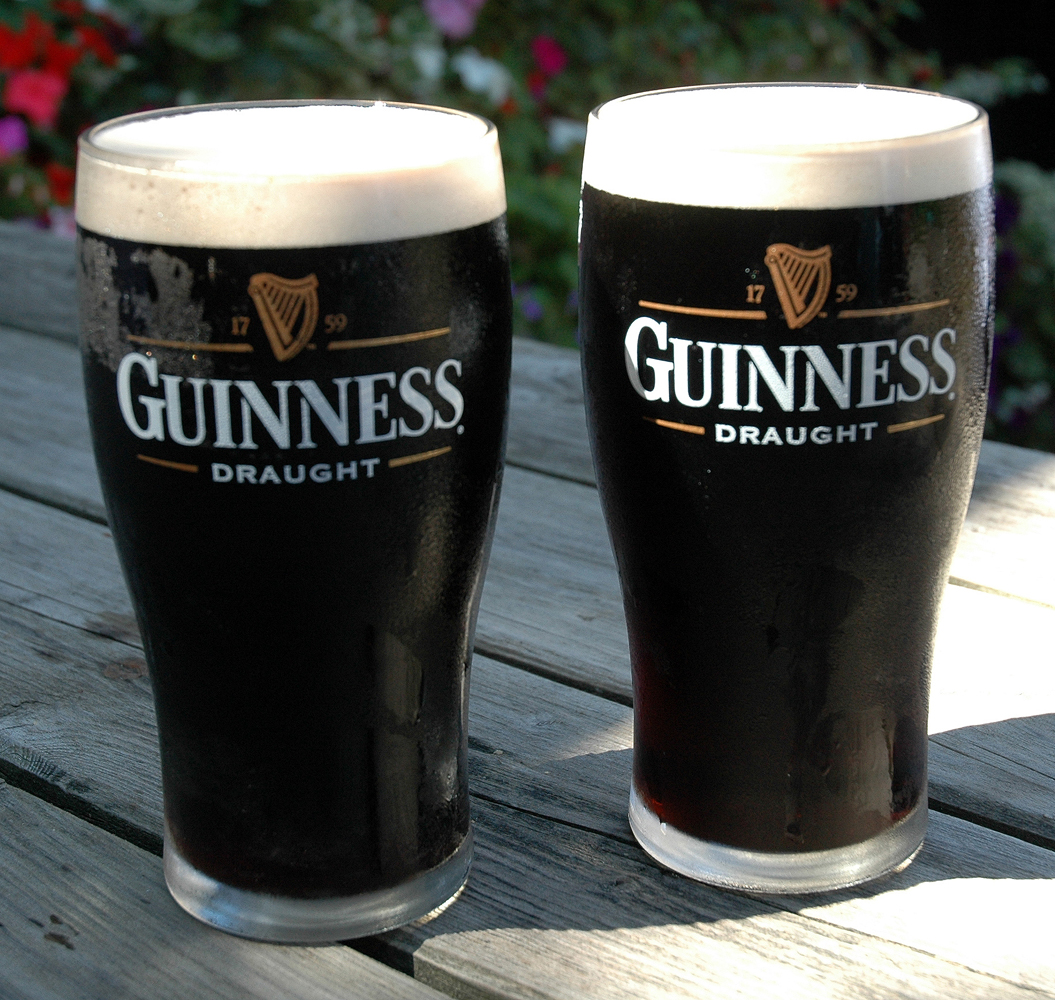 GuinnessVegan
🇮🇪 Ireland and 5 moreA dark Irish stout with a creamy head and dry, roasted flavour
Drink
GuinnessVegan
🇮🇪 Ireland and 5 moreA dark Irish stout with a creamy head and dry, roasted flavour
Drink
 SiwaVeganሰዋ
🇪🇹 Ethiopia and 1 moreHome-brewed Ethiopian and Eritrean beer made from toasted bread and gesho leaves
Drink
SiwaVeganሰዋ
🇪🇹 Ethiopia and 1 moreHome-brewed Ethiopian and Eritrean beer made from toasted bread and gesho leaves
Drink
 SimaVegan
🇫🇮 FinlandFinnish sparkling lemon drink, lightly fermented and sweet
Drink, Snacks
SimaVegan
🇫🇮 FinlandFinnish sparkling lemon drink, lightly fermented and sweet
Drink, Snacks
 Scotch whiskyVeganuisge-beatha na h-Alba
🇬🇧 United KingdomWhisky distilled and aged in Scotland for at least three years in oak casks
Drink
Scotch whiskyVeganuisge-beatha na h-Alba
🇬🇧 United KingdomWhisky distilled and aged in Scotland for at least three years in oak casks
Drink