
Vodka
In its own language: wódka
A clear spirit distilled from grains or potatoes, known for its neutral taste
Vodka is a transparent distilled spirit that began in Poland and Russia. It is made by fermenting and distilling grains or potatoes, resulting in a drink with a high alcohol content, typically around 40%. Vodka is enjoyed neat, especially in Eastern Europe, and is also a key ingredient in many cocktails.
- Vodka is usually bottled at 35–40% alcohol by volume
- Traditionally made from grains or potatoes
- Served neat and chilled in Eastern Europe
- Used in cocktails like the Bloody Mary and Moscow Mule
- Originates from Poland and Russia
What is Vodka?
Vodka is a colorless alcoholic drink, usually bottled at 35–40% alcohol by volume. Its main components are water and pure alcohol, with only minor traces of flavorings or impurities. Most vodka is made by fermenting and distilling grains such as rye, wheat, or corn, though potatoes have also become common since the 18th century. The result is a spirit with little taste or aroma, making it popular both for drinking straight and for mixing into cocktails.
Where does Vodka come from?
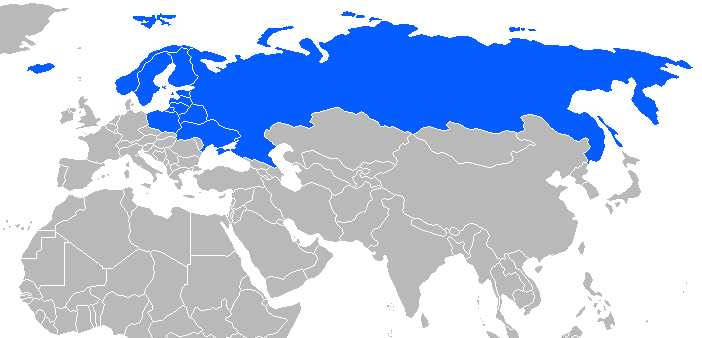
The roots of vodka stretch back centuries in Eastern Europe, with both Poland and Russia claiming its invention. The earliest known mention of the word appears in Polish records from 1405, though at first it referred to medicinal or cosmetic liquids. By the 16th century, vodka was being produced for drinking, and its methods spread across the region. In Russia, the drink became closely tied to Moscow and was eventually controlled by the state. Over time, vodka evolved from a low-strength, flavored spirit to the clear, strong beverage known today.
How is Vodka made?
To produce vodka, starch-rich materials like grains or potatoes are mashed and fermented, turning their natural sugars into alcohol. The resulting liquid is then distilled, often several times, to increase its purity and alcohol content. The final spirit is diluted with water to reach the desired strength, usually around 40% alcohol by volume. Some vodkas are filtered to remove remaining impurities, resulting in a very clean, neutral taste.



How and when is Vodka eaten?
Vodka is most often served neat, meaning without ice or mixers, especially in countries like Russia and Poland. It is commonly chilled, sometimes kept in the freezer, and poured into small glasses for sipping. In these regions, vodka is a traditional part of social gatherings and meals, often accompanied by snacks or pickled foods. Outside its homeland, vodka is widely used in mixed drinks and cocktails.
Kinds of Vodka
While classic vodka is unflavored and clear, there are many versions that include added flavors, such as fruit or herbs. Swedish brännvin, a similar spirit, has been labeled as vodka since the 1960s. Different countries and brands may use various grains or potatoes, leading to subtle differences in texture or finish. Some producers also experiment with filtration methods to create smoother or distinct profiles.
What Vodka means
Vodka holds a central place in the social and cultural life of many Eastern European countries. In Russia and Poland, it has long been associated with hospitality, celebrations, and even state revenue. The drink is woven into national traditions and is often present at important events and gatherings. In modern times, vodka is also a global spirit, featured in countless cocktails and enjoyed around the world.
Questions people ask about Vodka
What is vodka made from?
Vodka is produced by fermenting and distilling grains such as rye, wheat, or corn, or potatoes. The main ingredients are water and ethanol, with only minor traces of flavorings.
Where did vodka originate?
Vodka has its roots in both Poland and Russia, with both countries having long traditions of making and drinking this spirit.
How strong is vodka?
Most vodka is bottled at about 40% alcohol by volume, though it can range from 35% to 40% depending on the country and brand.
How is vodka usually served?
In its traditional regions, vodka is served neat and often chilled. It is also widely used as a base for cocktails and mixed drinks.
Is vodka flavored?
Classic vodka is unflavored and clear, but many brands also offer versions with added flavors such as fruit or herbs.
Good reading and sources
The facts on this page come from the Wikipedia article "Vodka", written by its contributors and used under the CC BY-SA 4.0 licence, and from its Wikidata record (CC0). Thali rewrote the text in its own words, with AI assistance, and compares every page with the article to make sure no passage is copied. It may be reused under the same CC BY-SA 4.0 licence with a link back.
It may contain mistakes, and it is not dietary or allergy advice: recipes differ from cook to cook. If something is wrong, tell us. Last refreshed 2026-10-03.
More from Russia
All the food of Russia KvassVeganквас
🇷🇺 Russia and 5 moreA tangy, slightly sweet fermented drink made from rye bread or flour
Drink
KvassVeganквас
🇷🇺 Russia and 5 moreA tangy, slightly sweet fermented drink made from rye bread or flour
Drink
 KumisКымыз
🇲🇳 Mongolia and 4 moreFermented mare's milk drink from the Central Asian steppe
Drink
KumisКымыз
🇲🇳 Mongolia and 4 moreFermented mare's milk drink from the Central Asian steppe
Drink
 Kefir
🇷🇺 Russia and 5 moreA tangy, fermented milk drink made with kefir grains
Drink, Breakfast, Lunch
Kefir
🇷🇺 Russia and 5 moreA tangy, fermented milk drink made with kefir grains
Drink, Breakfast, Lunch
 Mulled wineGlühwein
🇬🇧 United Kingdom and 5 moreRed wine heated with spices and fruit, served hot at Christmas and winter gatherings
Drink, Tea time, Dinner
Mulled wineGlühwein
🇬🇧 United Kingdom and 5 moreRed wine heated with spices and fruit, served hot at Christmas and winter gatherings
Drink, Tea time, Dinner
Its cousins elsewhere
All drinks Hot chocolate
🇲🇽 Mexico and 5 moreA warm drink made from chocolate or cocoa, milk or water, and sugar
Drink, Breakfast, Snacks
Hot chocolate
🇲🇽 Mexico and 5 moreA warm drink made from chocolate or cocoa, milk or water, and sugar
Drink, Breakfast, Snacks
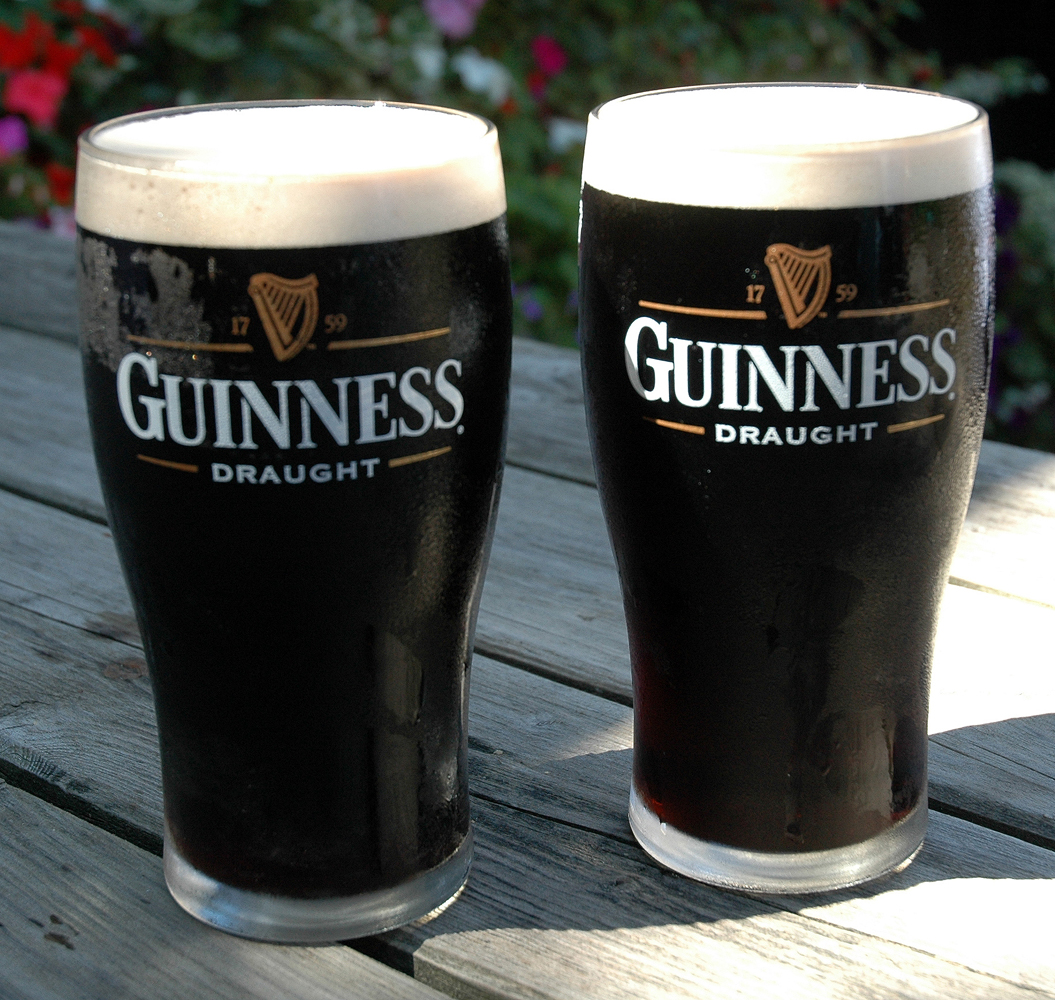 GuinnessVegan
🇮🇪 Ireland and 5 moreA dark Irish stout with a creamy head and dry, roasted flavour
Drink
MbegeVegan
🇹🇿 TanzaniaMildly alcoholic banana and millet drink from Tanzania's Chagga people
Drink
GuinnessVegan
🇮🇪 Ireland and 5 moreA dark Irish stout with a creamy head and dry, roasted flavour
Drink
MbegeVegan
🇹🇿 TanzaniaMildly alcoholic banana and millet drink from Tanzania's Chagga people
Drink