
Kefir
A tangy, fermented milk drink made with kefir grains
Kefir is a fermented milk drink with a tart, slightly fizzy taste, made by adding kefir grains to cow, goat, or sheep milk. Originating in the North Caucasus, it is now enjoyed in many parts of Eastern Europe and West Asia, often at any meal or as a base for cold soups. The fermentation lowers lactose content and gives kefir its unique flavor and texture.
- Kefir is made by fermenting milk with kefir grains
- It originated in the North Caucasus and spread across Eastern Europe
- Traditional kefir has a slightly fizzy, tart flavor
- Fermentation lowers the lactose content in the milk
- Contains live bacteria and yeast, making it probiotic
What is Kefir?
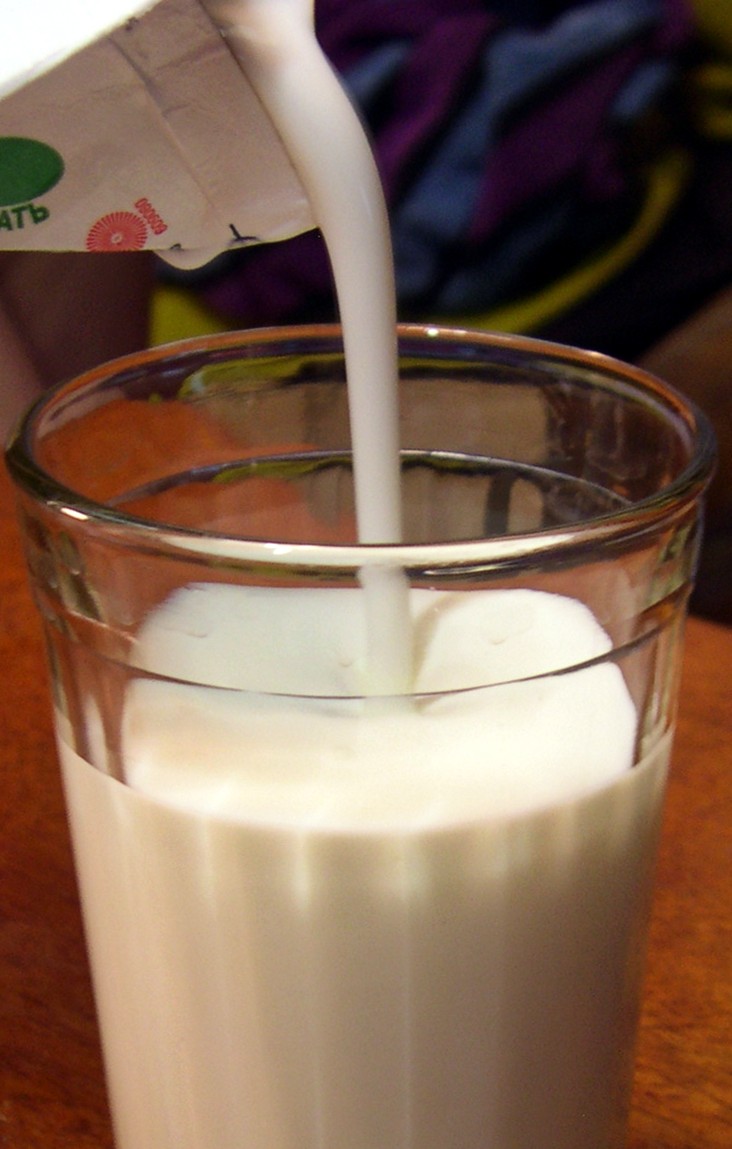
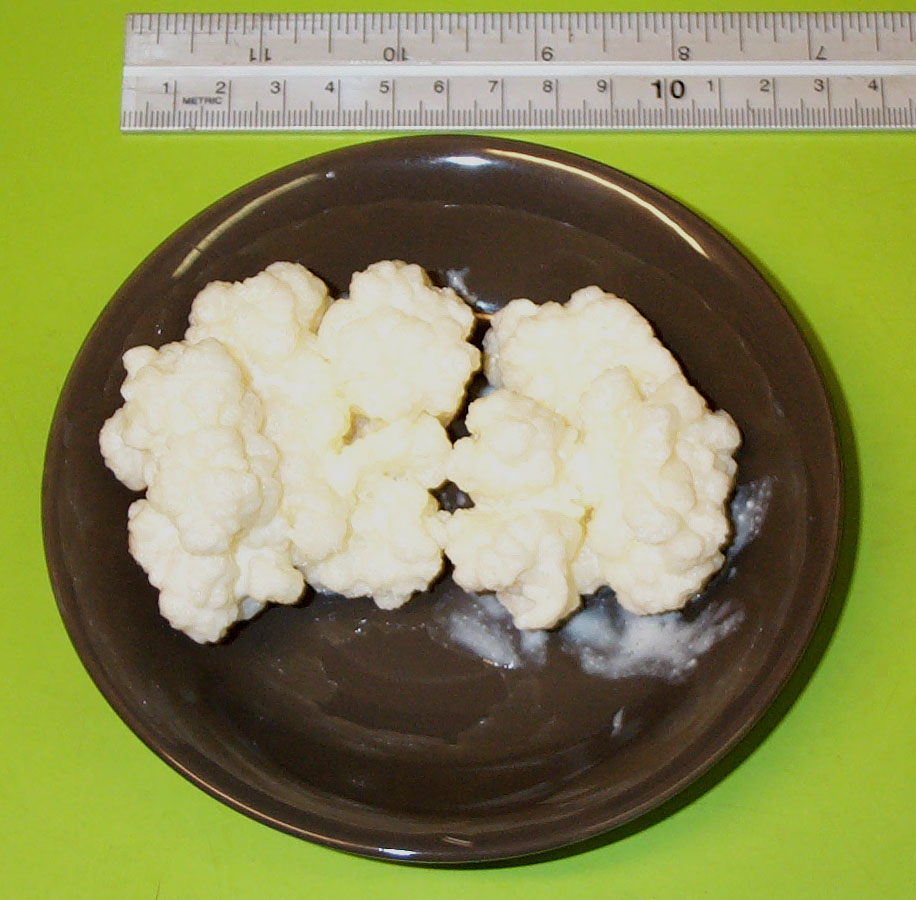
Kefir is a fermented milk drink with a thin, pourable consistency, similar to drinkable yogurt or ayran. It is made by adding kefir grains—a cluster of bacteria and yeast living together in a matrix—to milk from cows, goats, or sheep. The grains look like small cauliflower florets and turn the milk tangy, slightly sour, and sometimes a little fizzy due to natural carbonation. The taste can be mildly tart with a hint of creaminess, and the drink may contain a trace of alcohol from fermentation.
Where does Kefir come from?
Kefir has ancient roots, with evidence found in Bronze Age graves in the Xiaohe Cemetery, dating back 3,600 years. The name comes from languages of the North Caucasus, where it remains a traditional part of Circassian cuisine. Historically, kefir was made in goatskin bags hung near doorways, shaken by passersby to keep the mixture active. The drink spread from the Caucasus and Russia to other parts of Europe, and by the 21st century, it had reached North America and East Asia.
How is Kefir made?
To make kefir, kefir grains are added to milk and left to ferment at room temperature, usually overnight. The grains are then strained out and can be reused for future batches. The fermentation process involves a mix of bacteria and yeast that break down lactose, producing lactic acid, carbon dioxide, and a small amount of alcohol. Modern production may use freeze-dried starter cultures for consistency. Kefir can be made from various animal milks, and the grains will adapt to different types.


How and when is Kefir eaten?
Kefir is commonly drunk on its own at breakfast, lunch, dinner, or as a snack. In Eastern Europe and West Asia, it is often enjoyed alongside pastries like burek or banitsa, or used as a base for cold soups such as Lithuanian cold borscht and okroshka. In Estonia, it is sometimes mixed with kama, a grain flour, for a quick meal. Kefir can also replace milk in cereal, smoothies, or baking.
Kinds of Kefir
Kefir varies by region and milk type. The microbial makeup of the grains can differ, leading to subtle changes in flavor and texture. Tibetan, Russian, Irish, Taiwanese, and Turkish kefirs each have their own microbial profiles. There is also water kefir, made with a different culture in sugary water, which is distinct from milk kefir. Some modern kefirs use freeze-dried cultures for easier production.
What Kefir means
Kefir is deeply rooted in the food traditions of the North Caucasus and has become a staple in many Eastern European and West Asian diets. It is valued for its probiotic content and is often recommended for those with lactose intolerance, as fermentation reduces lactose levels. In Lithuania and Poland, it is a key ingredient in festive cold soups. Its spread reflects both cultural exchange and interest in fermented foods.
Questions people ask about Kefir
What is kefir made of?
Kefir is made by fermenting milk—usually from cows, goats, or sheep—with kefir grains, which contain a mix of bacteria and yeast.
Where does kefir come from?
Kefir originated in the North Caucasus and has long been part of traditional Circassian cuisine. It later spread to Eastern Europe, Russia, and beyond.
How does kefir taste?
Kefir has a tart, slightly sour flavor with a creamy texture and can be a bit fizzy due to natural carbonation from fermentation.
Is kefir suitable for people with lactose intolerance?
Fermentation reduces the lactose content by 20–30%, and studies show kefir may be easier to digest for people with lactose intolerance, though long-term effects are not fully known.
How is kefir usually consumed?
Kefir is drunk cold, often at any meal or as a snack, and is also used in cold soups or as a substitute for milk in recipes.
Good reading and sources
The facts on this page come from the Wikipedia article "Kefir", written by its contributors and used under the CC BY-SA 4.0 licence, and from its Wikidata record (CC0). Thali rewrote the text in its own words, with AI assistance, and compares every page with the article to make sure no passage is copied. It may be reused under the same CC BY-SA 4.0 licence with a link back.
It may contain mistakes, and it is not dietary or allergy advice: recipes differ from cook to cook. If something is wrong, tell us. Last refreshed 2026-10-03.
More from Russia
All the food of Russia VodkaVeganwódka
🇷🇺 Russia and 5 moreA clear spirit distilled from grains or potatoes, known for its neutral taste
Drink
VodkaVeganwódka
🇷🇺 Russia and 5 moreA clear spirit distilled from grains or potatoes, known for its neutral taste
Drink
 KvassVeganквас
🇷🇺 Russia and 5 moreA tangy, slightly sweet fermented drink made from rye bread or flour
Drink
CaviarFish or seafood
🇮🇷 Iran and 5 moreSalt-cured fish roe, most prized from sturgeon of the Caspian and Black Sea
Sauce, pickle or ferment, Snacks
Easter egg
🇷🇺 Russia and 5 moreEggs dyed or decorated for Easter, symbolizing resurrection and new life
Sweet or dessert, Breakfast, Snacks
KvassVeganквас
🇷🇺 Russia and 5 moreA tangy, slightly sweet fermented drink made from rye bread or flour
Drink
CaviarFish or seafood
🇮🇷 Iran and 5 moreSalt-cured fish roe, most prized from sturgeon of the Caspian and Black Sea
Sauce, pickle or ferment, Snacks
Easter egg
🇷🇺 Russia and 5 moreEggs dyed or decorated for Easter, symbolizing resurrection and new life
Sweet or dessert, Breakfast, Snacks
Its cousins elsewhere
All drinks Ice cream
🇺🇸 United States and 5 moreA frozen dessert made from sweetened, flavoured milk or cream
Sweet or dessert, Snacks
Ice cream
🇺🇸 United States and 5 moreA frozen dessert made from sweetened, flavoured milk or cream
Sweet or dessert, Snacks
 CappuccinoVegetarian
🇮🇹 Italy and 5 moreEspresso with steamed milk and a thick layer of milk foam, served in a small cup
Drink, Breakfast
CappuccinoVegetarian
🇮🇹 Italy and 5 moreEspresso with steamed milk and a thick layer of milk foam, served in a small cup
Drink, Breakfast
 Hot chocolate
🇲🇽 Mexico and 5 moreA warm drink made from chocolate or cocoa, milk or water, and sugar
Drink, Breakfast, Snacks
Hot chocolate
🇲🇽 Mexico and 5 moreA warm drink made from chocolate or cocoa, milk or water, and sugar
Drink, Breakfast, Snacks
 Eggnog
🇺🇸 United States and 5 moreA creamy, sweet drink of milk, eggs, sugar and spirits, served at Christmas
Drink, Snacks
Eggnog
🇺🇸 United States and 5 moreA creamy, sweet drink of milk, eggs, sugar and spirits, served at Christmas
Drink, Snacks