
Kladdkaka
Swedish chocolate cake with a crisp top and gooey center
Kladdkaka is a Swedish chocolate cake known for its crisp outer layer and sticky, soft interior. Made with cocoa powder, eggs, flour, sugar, and butter, it stands out for not using baking powder. Often served with whipped cream or ice cream, it is a favorite dessert in Sweden, especially on Kladdkakans dag, November 7.
- Kladdkaka has a crisp top and gooey inside
- The cake does not use baking powder
- Celebrated in Sweden on Kladdkakans dag, November 7
- Often served with whipped cream or ice cream
What is Kladdkaka?
Kladdkaka is a chocolate cake from Sweden with a unique texture: the outside bakes to a thin, crisp crust, while the inside stays soft and sticky, almost like a molten cake. The batter is made from cocoa powder, eggs, wheat flour, sugar, and butter, sometimes with vanilla essence. It is denser and more compact than most cakes because it does not use baking powder. The name comes from the Swedish word for 'sticky' or 'messy', hinting at its gooey middle. Kladdkaka is often enjoyed with whipped cream, vanilla ice cream, or raspberries.
Where does Kladdkaka come from?
Kladdkaka’s beginnings are linked to two stories. One says it was created in 1938 in Örebro, Sweden, when baking powder was hard to find. Gudrun Isaksson adapted an American brownie recipe by leaving out the baking powder. Another account tells of Margareta Wickman, who tasted a similar cake in Paris in 1968, received the recipe, and later published it in a Swedish magazine in the late 1970s. Both stories may be true, and the cake has since become a Swedish classic.
How is Kladdkaka made?
To make kladdkaka, the ingredients—cocoa powder, eggs, flour, sugar, and melted butter—are mixed into a batter. No baking powder is added, which keeps the cake dense and prevents it from rising much. The batter is poured into a pan and baked just long enough for the outside to set and form a thin crust, while the inside stays moist and sticky. After cooling, it is often cut into wedges and served as a dessert.
How and when is Kladdkaka eaten?
Kladdkaka is eaten as a dessert, either on its own or with accompaniments like whipped cream, vanilla ice cream, or raspberry coulis. It is popular in Swedish homes and cafes, enjoyed casually or for special occasions. The cake is especially celebrated on Kladdkakans dag, November 7, when many people in Sweden make or buy it to mark the day.
Kinds of Kladdkaka
While the classic kladdkaka uses cocoa powder, eggs, flour, sugar, and butter, some versions add vanilla essence or serve the cake with different toppings such as raspberries or raspberry coulis. The basic method remains the same, with the key feature being the gooey center and crisp top. No major regional variants are noted in the sources.
What Kladdkaka means
Kladdkaka holds a special place in Swedish dessert culture. Its popularity is such that it has its own day, Kladdkakans dag, celebrated every year on November 7 since 2008. The cake is a familiar treat at gatherings and is often associated with comfort and home baking. Its simple ingredients and easy method make it accessible to many.
Questions people ask about Kladdkaka
What is kladdkaka made of?
Kladdkaka is made from cocoa powder, eggs, wheat flour, sugar, and butter. Some recipes also add vanilla essence, but the main ingredients are always the same.
Where does kladdkaka come from?
Kladdkaka is from Sweden. Its origins are linked to Swedish home baking, with stories connecting it to Örebro and to a recipe brought from Paris.
What makes kladdkaka different from other chocolate cakes?
Kladdkaka is dense and sticky inside, with a crisp outer layer. Unlike most cakes, it does not use baking powder, which keeps it from rising and gives it its signature gooey texture.
How is kladdkaka usually served?
It is often served with whipped cream, vanilla ice cream, or raspberries. The cake is cut into wedges and enjoyed as a dessert.
Is kladdkaka eaten on a special day?
Yes, Sweden celebrates Kladdkakans dag on November 7 each year, when many people make or enjoy this cake.
Good reading and sources
The facts on this page come from the Wikipedia article "Kladdkaka", written by its contributors and used under the CC BY-SA 4.0 licence, and from its Wikidata record (CC0). Thali rewrote the text in its own words, with AI assistance, and compares every page with the article to make sure no passage is copied. It may be reused under the same CC BY-SA 4.0 licence with a link back.
It may contain mistakes, and it is not dietary or allergy advice: recipes differ from cook to cook. If something is wrong, tell us. Last refreshed 2026-10-03.
More from Sweden
All the food of Sweden MarzipanVegetarian
🇩🇪 Germany and 5 moreSweet almond paste shaped or used in cakes, especially at Christmas and weddings
Sweet or dessert, Snacks, Tea time
MarzipanVegetarian
🇩🇪 Germany and 5 moreSweet almond paste shaped or used in cakes, especially at Christmas and weddings
Sweet or dessert, Snacks, Tea time
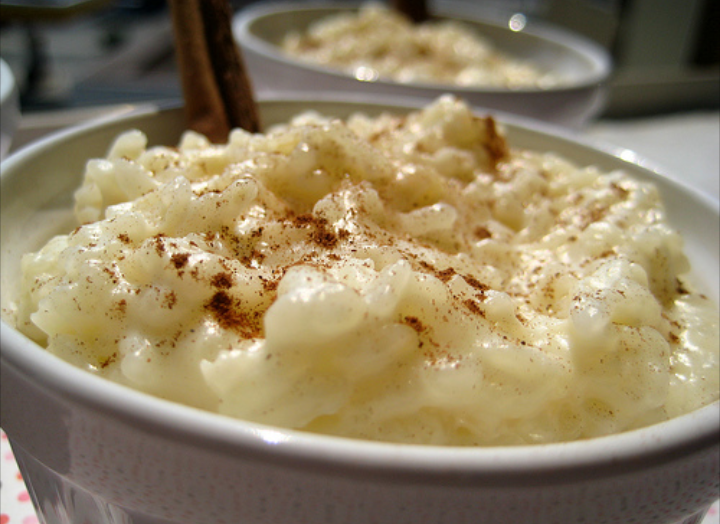 Rice pudding
🇮🇳 India and 4 moreSweetened rice cooked in milk, found in many forms worldwide
Sweet or dessert, Breakfast, Lunch
Rice pudding
🇮🇳 India and 4 moreSweetened rice cooked in milk, found in many forms worldwide
Sweet or dessert, Breakfast, Lunch
 Chocolate brownieVegetarianBrownie
🇺🇸 United States and 2 moreDense chocolate squares baked as a bar, often served warm or with toppings
Sweet or dessert, Snacks, Tea time
Chocolate brownieVegetarianBrownie
🇺🇸 United States and 2 moreDense chocolate squares baked as a bar, often served warm or with toppings
Sweet or dessert, Snacks, Tea time
 Cinnamon rollVegetarian
🇸🇪 Sweden and 4 moreA sweet rolled bun with cinnamon and sugar, baked and often topped with icing
Sweet or dessert, Breakfast, Tea time
Cinnamon rollVegetarian
🇸🇪 Sweden and 4 moreA sweet rolled bun with cinnamon and sugar, baked and often topped with icing
Sweet or dessert, Breakfast, Tea time
Its cousins elsewhere
All sweets and desserts AnpanVegetarianあんパン
🇯🇵 JapanJapanese sweet roll filled with red bean paste or other fillings
Sweet or dessert, Snacks, Tea time
AnpanVegetarianあんパン
🇯🇵 JapanJapanese sweet roll filled with red bean paste or other fillings
Sweet or dessert, Snacks, Tea time
 Pan de muertoVegetarian
🇲🇽 Mexico and 1 moreSweet, decorated bread made for Mexico’s Day of the Dead
Sweet or dessert, Snacks, Tea time
Pan de muertoVegetarian
🇲🇽 Mexico and 1 moreSweet, decorated bread made for Mexico’s Day of the Dead
Sweet or dessert, Snacks, Tea time
 Doughnut
🇺🇸 United States and 5 moreSweet fried or baked rings or balls, often glazed or filled
Sweet or dessert, Breakfast, Snacks
Doughnut
🇺🇸 United States and 5 moreSweet fried or baked rings or balls, often glazed or filled
Sweet or dessert, Breakfast, Snacks
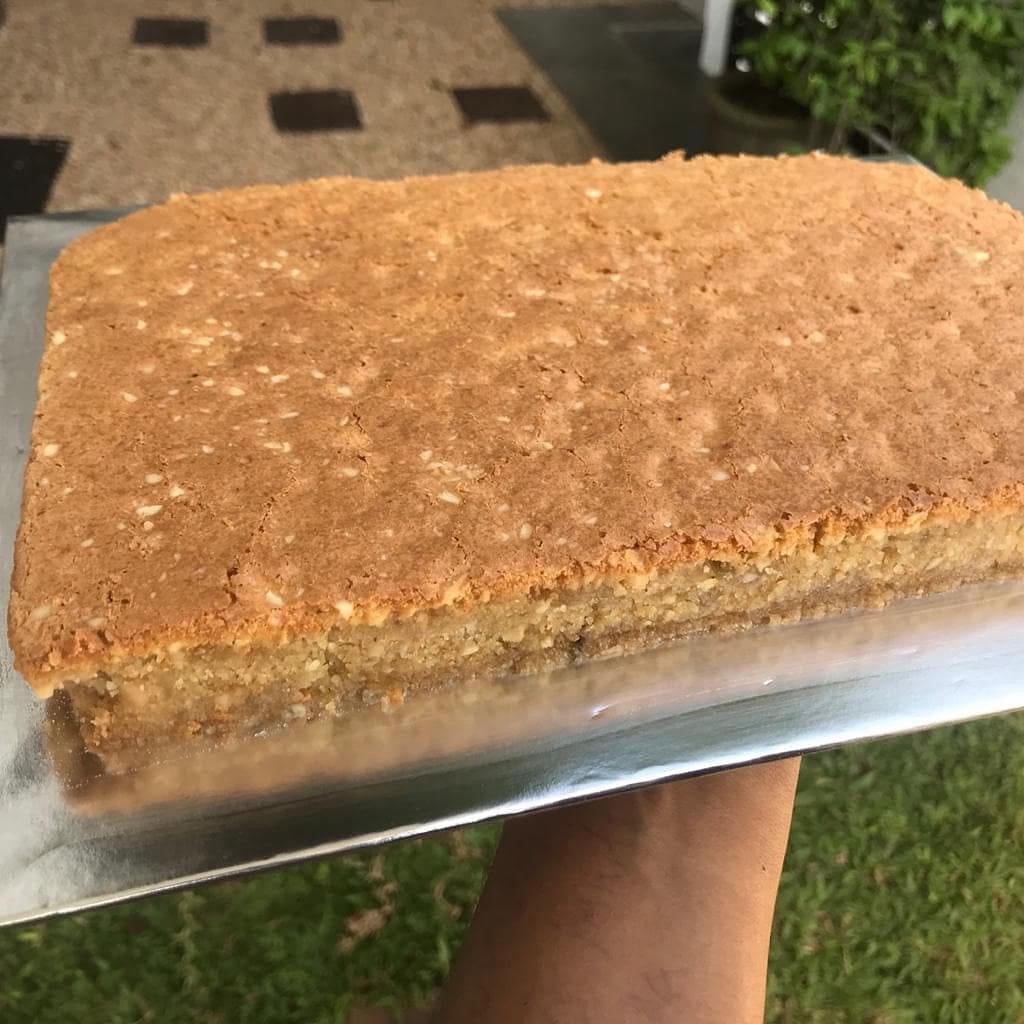 Love cakeVegetarian
🇱🇰 Sri LankaSri Lankan semolina cake with cashews, pumpkin preserve, and aromatic spices
Sweet or dessert
Love cakeVegetarian
🇱🇰 Sri LankaSri Lankan semolina cake with cashews, pumpkin preserve, and aromatic spices
Sweet or dessert