
Lontong
Cylindrical rice cake wrapped in banana leaf, served with sauces or soups
Lontong is a compressed rice cake from Indonesia, shaped into cylinders using banana leaves and boiled until firm. It is cut into pieces and eaten as a substitute for steamed rice, often with peanut sauce dishes, coconut milk soups, or salads. Lontong is found in Indonesia, Malaysia, and Singapore, and is served at room temperature or hot.
- Lontong is made by boiling rice packed in banana leaves until solid
- It is a staple in Indonesia, Malaysia, and Singapore
- Served with peanut sauce, coconut milk soups, or salads
- The outer rice layer may turn green from the banana leaf
- Arem-arem is a smaller, stuffed version eaten as a snack
What is Lontong?
Lontong is a compact rice cake, shaped into cylinders by rolling partially cooked rice in banana leaves and boiling it until it becomes firm. Once cooled, it is sliced into rounds. The rice inside is white and dense, while the outer layer may take on a light green tint from the banana leaf. Lontong itself is mild in taste, serving as a base for richly flavored sauces, soups, or salads. It is often used in place of plain steamed rice.
Where does Lontong come from?
Lontong traces its roots to Indonesia, where it developed alongside ketupat, another rice cake. Both use rice as the main ingredient, but lontong is wrapped in banana leaves, while ketupat uses woven coconut leaves. The tradition of eating lontong spread in Java after the arrival of Islam, with Sunan Kalijaga introducing it as part of religious and social life. Over time, lontong became a staple and was adapted in neighboring Malaysia and Singapore.
How is Lontong made?
To make lontong, rice is first boiled until partly cooked, then packed tightly into a banana leaf, which is rolled and secured. The wrapped rice is boiled for a long period, allowing the grains to absorb water and form a solid mass. After cooling, the lontong is unwrapped and cut into bite-sized pieces. Some modern methods use perforated plastic pouches instead of banana leaves, but the traditional leaf is preferred for its effect on flavor and color.


How and when is Lontong eaten?
Lontong is eaten at any meal, often as a substitute for steamed rice. In Indonesia, it is served with peanut sauce dishes like gado-gado or satay, or with coconut milk-based soups such as lontong sayur. In Malaysia and Singapore, 'lontong' may refer to a curry soup with rice cakes inside. Lontong is also paired with salads, curries, or as a side to main dishes. It is eaten hot or at room temperature, and sometimes as a snack when filled with vegetables or meat.
Kinds of Lontong
There are many regional versions of lontong. In Indonesia, lontong sayur features coconut milk soup and vegetables, lontong balap includes bean sprouts and tofu, and lontong cap go meh is a festive version with chicken curry and side dishes. Arem-arem, or lontong isi, is a smaller, stuffed variation eaten as a snack. In Malaysia, nasi himpit is made by pressing cooked rice, and the term lontong often refers to a coconut-based soup with rice cakes.
What Lontong means
Lontong is a common everyday food in Indonesia, Malaysia, and Singapore, but it also appears at festivals and celebrations. The Chinese Indonesian community serves lontong cap go meh during the Cap go meh festival. Its preparation and serving reflect local customs, and it is an integral part of communal meals and gatherings. The use of banana leaves ties the dish to traditional cooking methods and ecological practices.
Questions people ask about Lontong
What is lontong made of?
Lontong is made from rice that is partially cooked, packed tightly in a banana leaf, then boiled until it forms a solid, compact cake.
Where does lontong come from?
Lontong originates from Indonesia, especially Java, and is also found in Malaysia and Singapore.
How is lontong different from ketupat?
Both are rice cakes, but lontong is wrapped in banana leaves and shaped into cylinders, while ketupat uses woven coconut leaves and forms a diamond shape.
How is lontong usually served?
Lontong is sliced and served with peanut sauce dishes, coconut milk-based soups, salads, or as a side to main dishes. It can be eaten hot or at room temperature.
Are there different types of lontong?
Yes, there are many regional varieties, such as lontong sayur with coconut soup, lontong balap with bean sprouts, and arem-arem, a smaller stuffed version.
Good reading and sources
The facts on this page come from the Wikipedia article "Lontong", written by its contributors and used under the CC BY-SA 4.0 licence, and from its Wikidata record (CC0). Thali rewrote the text in its own words, with AI assistance, and compares every page with the article to make sure no passage is copied. It may be reused under the same CC BY-SA 4.0 licence with a link back.
It may contain mistakes, and it is not dietary or allergy advice: recipes differ from cook to cook. If something is wrong, tell us. Last refreshed 2026-10-03.
More from Indonesia
All the food of Indonesia Biryani
🇮🇳 India and 5 moreRice and spiced meat or vegetables layered and cooked together
Main dish, Lunch, Dinner
Biryani
🇮🇳 India and 5 moreRice and spiced meat or vegetables layered and cooked together
Main dish, Lunch, Dinner
 Roti canaiரொட்டி சென்னை
🇲🇾 Malaysia and 5 moreUnleavened flatbread tossed thin and cooked until crisp, served with curry or dal
Bread, Breakfast, Snacks
Roti canaiரொட்டி சென்னை
🇲🇾 Malaysia and 5 moreUnleavened flatbread tossed thin and cooked until crisp, served with curry or dal
Bread, Breakfast, Snacks
 BreadfruitVegan
🇵🇭 Philippines and 4 moreLarge tropical fruit cooked as a starchy staple in many island cuisines
Main dish, Lunch, Dinner
BreadfruitVegan
🇵🇭 Philippines and 4 moreLarge tropical fruit cooked as a starchy staple in many island cuisines
Main dish, Lunch, Dinner
Its cousins elsewhere
All main dishes Chicken soupMeat
🇺🇸 United States and 4 moreA hot soup of chicken simmered with vegetables, noodles or grains
Soup, Lunch, Dinner
Chicken soupMeat
🇺🇸 United States and 4 moreA hot soup of chicken simmered with vegetables, noodles or grains
Soup, Lunch, Dinner
 MatokeVegan
🇺🇬 Uganda and 4 moreSteamed and mashed green bananas, a staple meal in East Africa
Main dish, Breakfast, Lunch
MatokeVegan
🇺🇬 Uganda and 4 moreSteamed and mashed green bananas, a staple meal in East Africa
Main dish, Breakfast, Lunch
 NacatamalMeat
🇳🇮 NicaraguaCorn masa parcels filled with seasoned meat, steamed in banana leaves
Main dish, Breakfast, Dinner
NacatamalMeat
🇳🇮 NicaraguaCorn masa parcels filled with seasoned meat, steamed in banana leaves
Main dish, Breakfast, Dinner
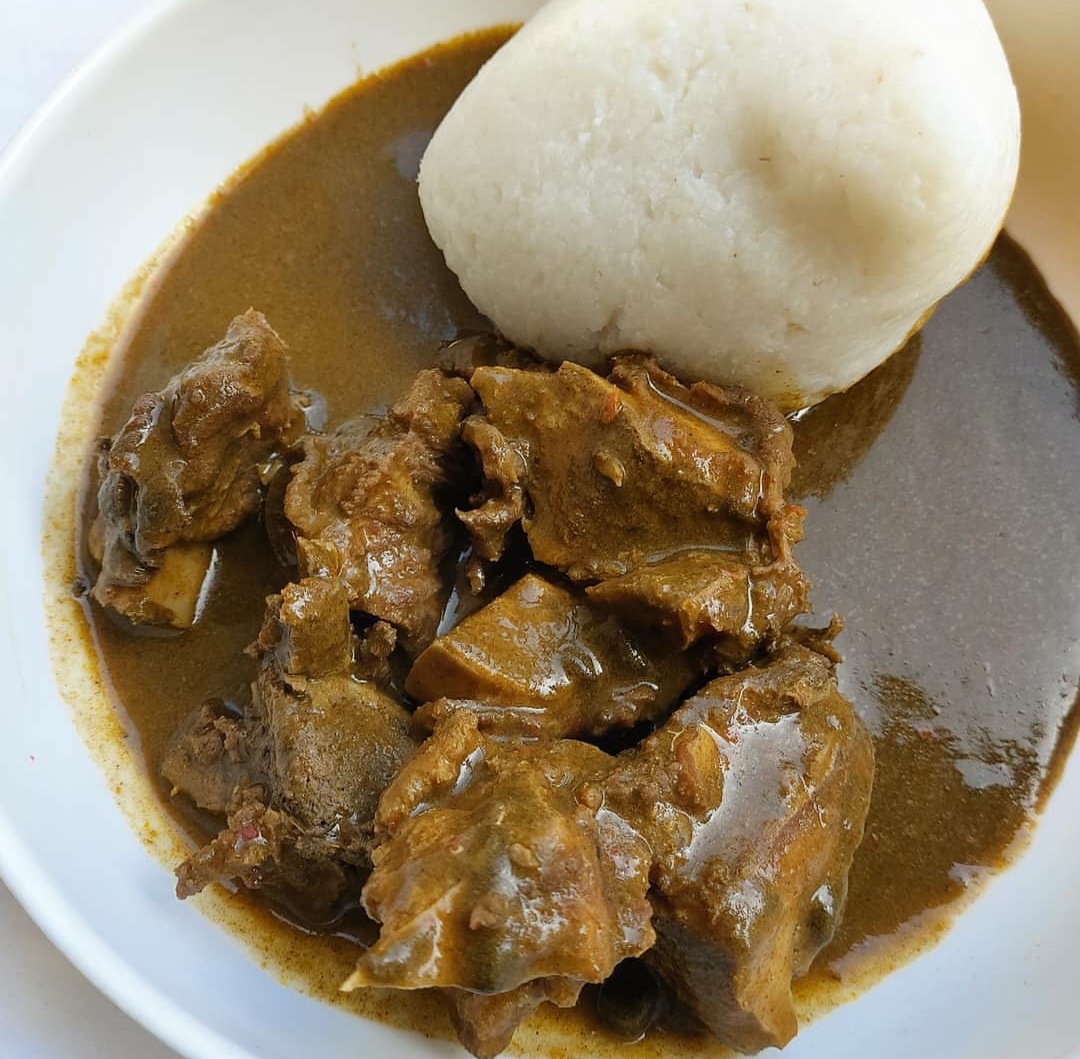 Tuwon shinkafaVegan
🇳🇬 Nigeria and 2 moreSoft, sticky rice dough served with soups in northern Nigeria and Niger
Main dish, Lunch, Dinner
Tuwon shinkafaVegan
🇳🇬 Nigeria and 2 moreSoft, sticky rice dough served with soups in northern Nigeria and Niger
Main dish, Lunch, Dinner