
Matoke
Steamed and mashed green bananas, a staple meal in East Africa
Matoke is a dish made from green bananas of the East African Highland variety, mainly found in Uganda and neighboring countries. The bananas are peeled, steamed in banana leaves, and then mashed, often served with sauces or stews. This food is eaten daily and holds a central place in the diets of Uganda, Rwanda, and other Great Lakes nations.
- Matoke is made from green East African Highland bananas
- The bananas are steamed in banana leaves and mashed
- It is a staple food in Uganda and neighboring countries
- Matoke is often served with vegetable, peanut, or meat sauces
- Ugandans eat more bananas per person than any other country
What is Matoke?
Matoke is a cooked dish made from a special group of bananas that are picked while still green and firm. These bananas, called East African Highland bananas, are peeled and steamed until they become soft and yellow. The finished matoke is mashed, creating a smooth, dense meal. It is usually served with sauces made from vegetables, groundnuts (peanuts), or meat. The dish is filling and mild in flavor, acting as the main part of many meals in Uganda and nearby countries.
Where does Matoke come from?
The bananas used for matoke were brought to Africa from Southeast Asia between the first and sixth centuries. Over time, they developed into a unique group found only in the African Great Lakes region. Uganda, Rwanda, and Burundi have especially diverse types, but all come from a single ancestor introduced long ago. Farmers have grown and selected these bananas for generations, leading to many local names and slight differences. Today, matoke is one of the most important foods in this part of Africa.
How is Matoke made?
To prepare matoke, green bananas are peeled with a knife and wrapped in banana leaves. The wrapped bananas are placed in a pot, often set on banana stalks to keep them above water, and steamed over a wood or charcoal fire. Water is added to the pot as needed. Once the bananas are soft and yellow, they are mashed, sometimes while still inside the leaves. The dish is served hot, often on a fresh banana leaf, and paired with sauces or stews.


How and when is Matoke eaten?
Matoke is eaten at any main meal, whether breakfast, lunch, or dinner. It is usually the base of the meal, with vegetable, peanut, or meat sauces added on top. In Uganda, a breakfast dish called katogo mixes matoke with peanuts or beef. In Tanzania's Bukoba region, matoke is cooked together with meat, smoked fish, beans, or groundnuts and served unmashed. The dish is shared by families and is a daily staple in many homes.
Kinds of Matoke
There are many local names and slight differences in how matoke is made across regions. In Uganda, matoke is often mashed and served with sauce, while in Bukoba, Tanzania, it may be cooked with meat or fish and left whole. Some types of these bananas are used to make banana beer or juice. The bananas themselves come in many varieties, each with its own local name and use.
What Matoke means
Matoke is so central to life in Uganda that its name can mean 'food' itself. People in Uganda eat more bananas per person than anywhere else in the world, and matoke is a key reason. The dish is not only a daily meal but also a symbol of home and tradition. While Uganda grows huge amounts of these bananas, most are eaten locally rather than exported.
Questions people ask about Matoke
What is matoke made from?
Matoke is made from green bananas of the East African Highland variety, which are peeled, steamed, and mashed.
Where does matoke come from?
Matoke comes from Uganda and is also common in Rwanda, Burundi, Tanzania, and Kenya, especially in the Great Lakes region.
How is matoke usually cooked?
The bananas are peeled, wrapped in banana leaves, and steamed over a fire until soft, then mashed and served hot.
Is matoke eaten on special occasions?
Matoke is mainly an everyday food and is eaten as a staple at regular meals, not just on special occasions.
What does matoke taste like?
Matoke has a mild, starchy flavor and a soft texture after cooking, making it a good base for savory sauces.
Good reading and sources
The facts on this page come from the Wikipedia article "Matoke", written by its contributors and used under the CC BY-SA 4.0 licence, and from its Wikidata record (CC0). Thali rewrote the text in its own words, with AI assistance, and compares every page with the article to make sure no passage is copied. It may be reused under the same CC BY-SA 4.0 licence with a link back.
It may contain mistakes, and it is not dietary or allergy advice: recipes differ from cook to cook. If something is wrong, tell us. Last refreshed 2026-10-03.
More from Uganda
All the food of Uganda ChapatiVeganचपाती
🇮🇳 India and 4 moreUnleavened flatbread cooked on a griddle and served hot with meals
Bread, Breakfast, Lunch
ChapatiVeganचपाती
🇮🇳 India and 4 moreUnleavened flatbread cooked on a griddle and served hot with meals
Bread, Breakfast, Lunch
 RolexVegetarian
🇺🇬 UgandaOmelette and vegetables wrapped in chapati, a popular Ugandan street food
Street food, Breakfast, Lunch
RolexVegetarian
🇺🇬 UgandaOmelette and vegetables wrapped in chapati, a popular Ugandan street food
Street food, Breakfast, Lunch
 Luwombo
🇺🇬 UgandaUgandan stew steamed in smoked banana leaves
Main dish, Lunch, Dinner
Luwombo
🇺🇬 UgandaUgandan stew steamed in smoked banana leaves
Main dish, Lunch, Dinner
 KisraVegan
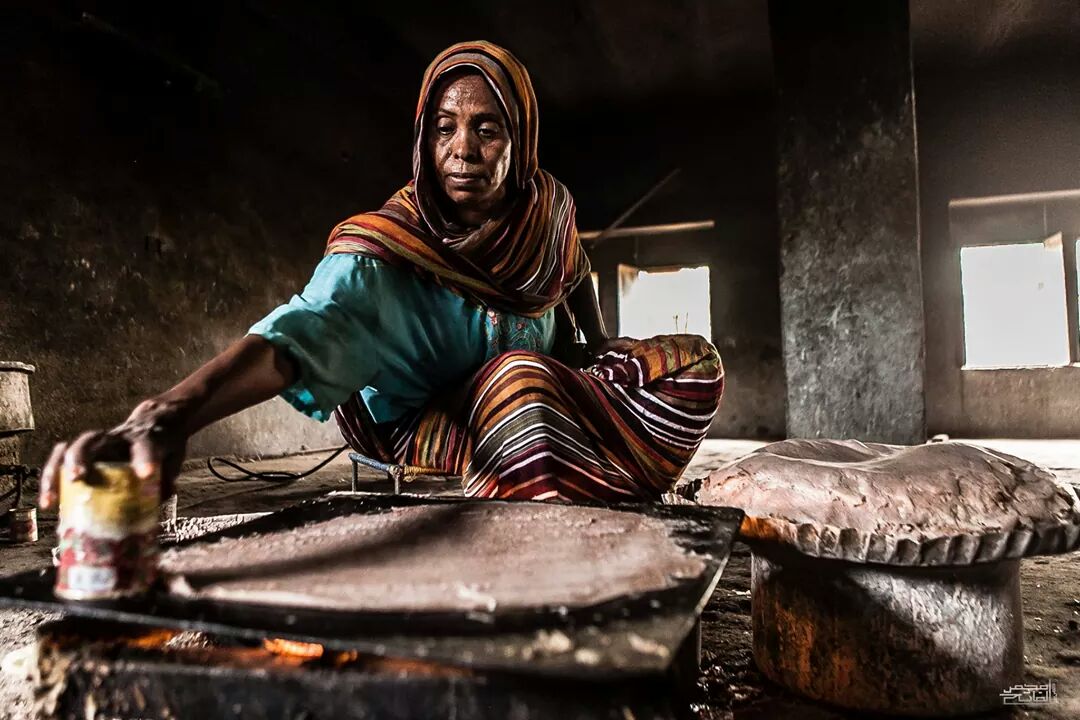
🇸🇩 Sudan and 5 moreA thin, fermented sorghum flatbread from Sudan and neighboring countries
Bread
KisraVegan
🇸🇩 Sudan and 5 moreA thin, fermented sorghum flatbread from Sudan and neighboring countries
Bread
Its cousins elsewhere
All main dishes LontongVegan
🇮🇩 Indonesia and 2 moreCylindrical rice cake wrapped in banana leaf, served with sauces or soups
Main dish, Breakfast, Lunch
LontongVegan
🇮🇩 Indonesia and 2 moreCylindrical rice cake wrapped in banana leaf, served with sauces or soups
Main dish, Breakfast, Lunch
 Pasta
🇮🇹 Italy and 1 moreUnleavened dough shaped and cooked, a staple of Italian cuisine
Main dish, Lunch, Dinner
Pasta
🇮🇹 Italy and 1 moreUnleavened dough shaped and cooked, a staple of Italian cuisine
Main dish, Lunch, Dinner
 SpaghettiVegan
🇮🇹 Italy and 2 moreLong, thin pasta strands made from durum wheat and water
Noodle or pasta dish, Lunch, Dinner
SpaghettiVegan
🇮🇹 Italy and 2 moreLong, thin pasta strands made from durum wheat and water
Noodle or pasta dish, Lunch, Dinner
 GoulashMeatgulyás
🇭🇺 Hungary and 5 moreA paprika-spiced meat and vegetable soup from Hungary
Soup, Lunch, Dinner
GoulashMeatgulyás
🇭🇺 Hungary and 5 moreA paprika-spiced meat and vegetable soup from Hungary
Soup, Lunch, Dinner