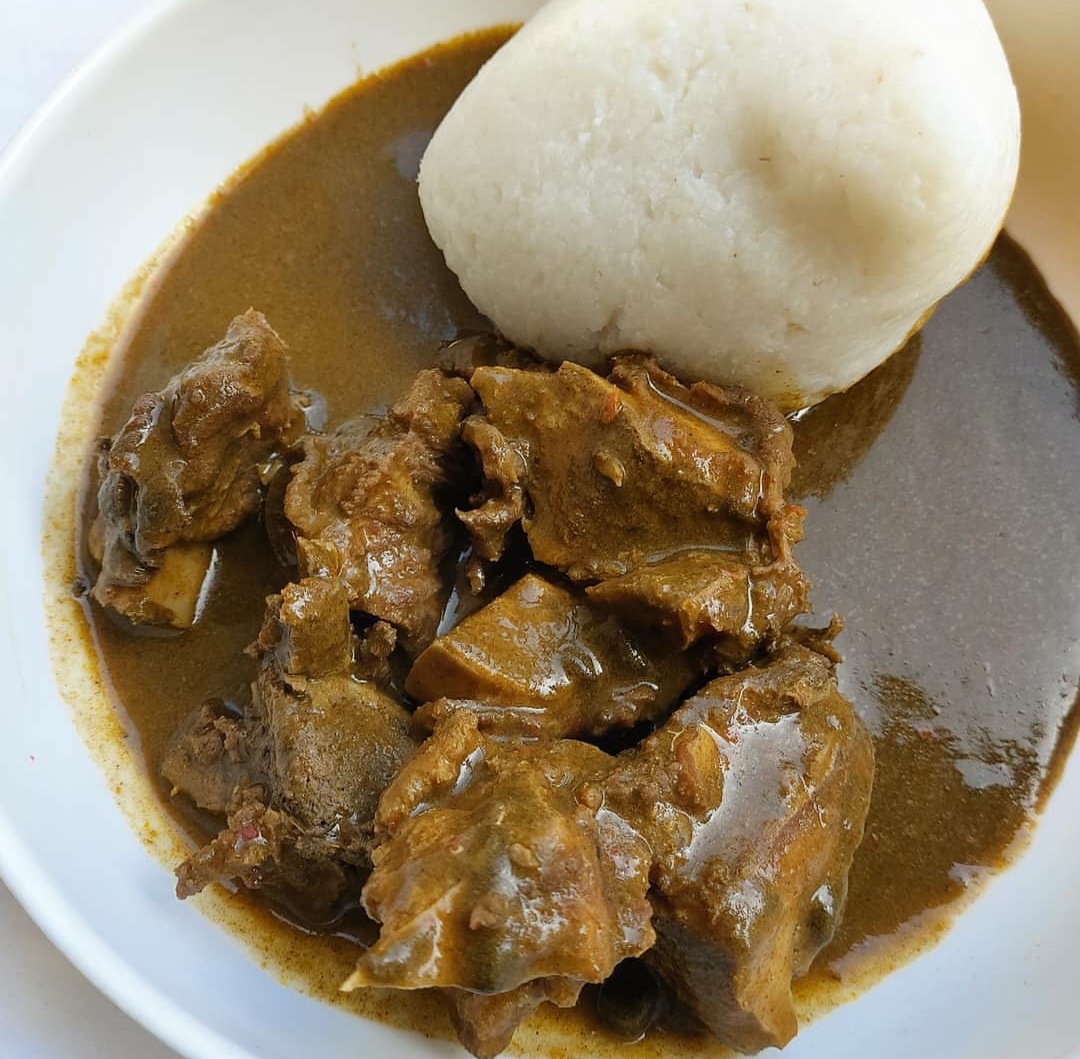
Tuwon shinkafa
Soft, sticky rice dough served with soups in northern Nigeria and Niger
Tuwon shinkafa is a dense, sticky rice dough eaten in northern Nigeria and Niger. Made by boiling and mashing local rice until it forms a thick pudding, it is shaped into balls and served hot with soups such as miyan kuka or miyan taushe. It is a staple at lunch or dinner.
- Made from soft, sticky local rice mashed into a dough
- Served hot with soups like miyan kuka and miyan taushe
- Common in northern Nigeria, Niger, and known as omo tuo in Ghana
- Shaped into balls or rolls for eating by hand
What is Tuwon shinkafa?
Tuwon shinkafa is a thick, smooth dough made from soft, sticky rice. The rice is cooked with water until it becomes very soft, then mashed or pounded until it forms a dense, elastic mass. It is usually shaped into balls or rolls. The finished dish is mild in flavor and is served hot, often alongside various soups. Its texture is sticky and cohesive, making it easy to pick up pieces by hand and dip into soup.
Where does Tuwon shinkafa come from?
Tuwon shinkafa comes from the northern regions of Nigeria and most of Niger, where rice is a common crop. It is a staple food in these areas, especially among communities that prepare 'swallow' dishes—foods meant to be eaten by hand with soups. The dish is closely tied to local rice varieties that become sticky when cooked. In Ghana, a similar preparation is known as omo tuo or mɔlukple, showing its spread across West Africa.
How is Tuwon shinkafa made?
To make tuwon shinkafa, local rice is boiled with water until it becomes very soft and sticky. The rice is then mashed or pounded until it forms a thick, smooth dough. This dough is shaped into balls or rolls, ready to be served. The process relies on the natural stickiness of certain rice types, which helps the dough hold together. It is always served hot, often rolled into spheres.


How and when is Tuwon shinkafa eaten?
Tuwon shinkafa is eaten at lunch or dinner as a main dish. It is typically served with soups such as miyan kuka (baobab leaf soup) or miyan taushe (pumpkin soup). Diners break off pieces of the rice dough by hand and use them to scoop up soup. It is a common, everyday food in northern Nigeria and Niger, often shared in family or communal settings.
Kinds of Tuwon shinkafa
There are similar dishes made with other grains. Tuwon masara uses maize flour, while tuwon dawa is made from sorghum flour. In Ghana, the rice version is called omo tuo in Akan or mɔlukple in Ewe. While the base grain may change, the method of forming a soft, sticky dough to eat with soup remains the same.
What Tuwon shinkafa means
Tuwon shinkafa is a staple in the daily diet of many in northern Nigeria and Niger. It is part of a broader tradition of 'swallow' foods, which are eaten with the hands and paired with local soups. The dish reflects the importance of rice in the region and is a marker of local food culture. Its variants show how the idea travels across West Africa.
Questions people ask about Tuwon shinkafa
What is tuwon shinkafa made of?
Tuwon shinkafa is made from local rice and water. The rice is cooked until soft and sticky, then mashed into a thick, smooth dough.
Where does tuwon shinkafa come from?
It comes from northern Nigeria and most of Niger. It is also known in Ghana, where it is called omo tuo or mɔlukple.
How is tuwon shinkafa eaten?
It is served hot, shaped into balls or rolls, and eaten with soups like miyan kuka or miyan taushe. People break off pieces by hand and dip them into the soup.
Are there similar dishes to tuwon shinkafa?
Yes, tuwon masara is made with maize flour and tuwon dawa with sorghum. In Ghana, the rice version is called omo tuo or mɔlukple.
Is tuwon shinkafa vegetarian or vegan?
Tuwon shinkafa itself is vegan, as it is made only from rice and water. The soups served with it may vary.
Good reading and sources
- Tuwon shinkafa on WikipediaEncyclopedia
- More photos on Wikimedia CommonsPhotos
- Wikidata recordOpen data
The facts on this page come from the Wikipedia article "Tuwon shinkafa", written by its contributors and used under the CC BY-SA 4.0 licence, and from its Wikidata record (CC0). Thali rewrote the text in its own words, with AI assistance, and compares every page with the article to make sure no passage is copied. It may be reused under the same CC BY-SA 4.0 licence with a link back.
It may contain mistakes, and it is not dietary or allergy advice: recipes differ from cook to cook. If something is wrong, tell us. Last refreshed 2026-10-03.
More from Nigeria
All the food of Nigeria ShawarmaMeatشاورما
🇸🇾 Syria and 5 moreMeat roasted on a vertical spit and sliced into flatbread with sauces and vegetables
Street food, Lunch, Dinner
ShawarmaMeatشاورما
🇸🇾 Syria and 5 moreMeat roasted on a vertical spit and sliced into flatbread with sauces and vegetables
Street food, Lunch, Dinner
 NkwobiMeat
🇳🇬 Nigeria and 1 moreCow feet cooked in palm oil and spices, a specialty from Nigeria's Igbo people
Main dish, Dinner, Snacks
NkwobiMeat
🇳🇬 Nigeria and 1 moreCow feet cooked in palm oil and spices, a specialty from Nigeria's Igbo people
Main dish, Dinner, Snacks
 FufuVegan
🇬🇭 Ghana and 4 moreA soft, starchy dough made by pounding cassava, plantain or cocoyam, eaten with soups
Main dish, Lunch, Dinner
FufuVegan
🇬🇭 Ghana and 4 moreA soft, starchy dough made by pounding cassava, plantain or cocoyam, eaten with soups
Main dish, Lunch, Dinner
 Jambalaya
🇺🇸 United States and 5 moreLouisiana rice cooked with meats, vegetables and spices in one pot
Main dish, Lunch, Dinner
Jambalaya
🇺🇸 United States and 5 moreLouisiana rice cooked with meats, vegetables and spices in one pot
Main dish, Lunch, Dinner
Its cousins elsewhere
All main dishes DosaVegetarianದೋಸೆ
🇮🇳 India and 3 moreA thin, fermented rice and lentil pancake from South India, served hot with chutney and sambar
Main dish, Breakfast, Lunch
DosaVegetarianದೋಸೆ
🇮🇳 India and 3 moreA thin, fermented rice and lentil pancake from South India, served hot with chutney and sambar
Main dish, Breakfast, Lunch
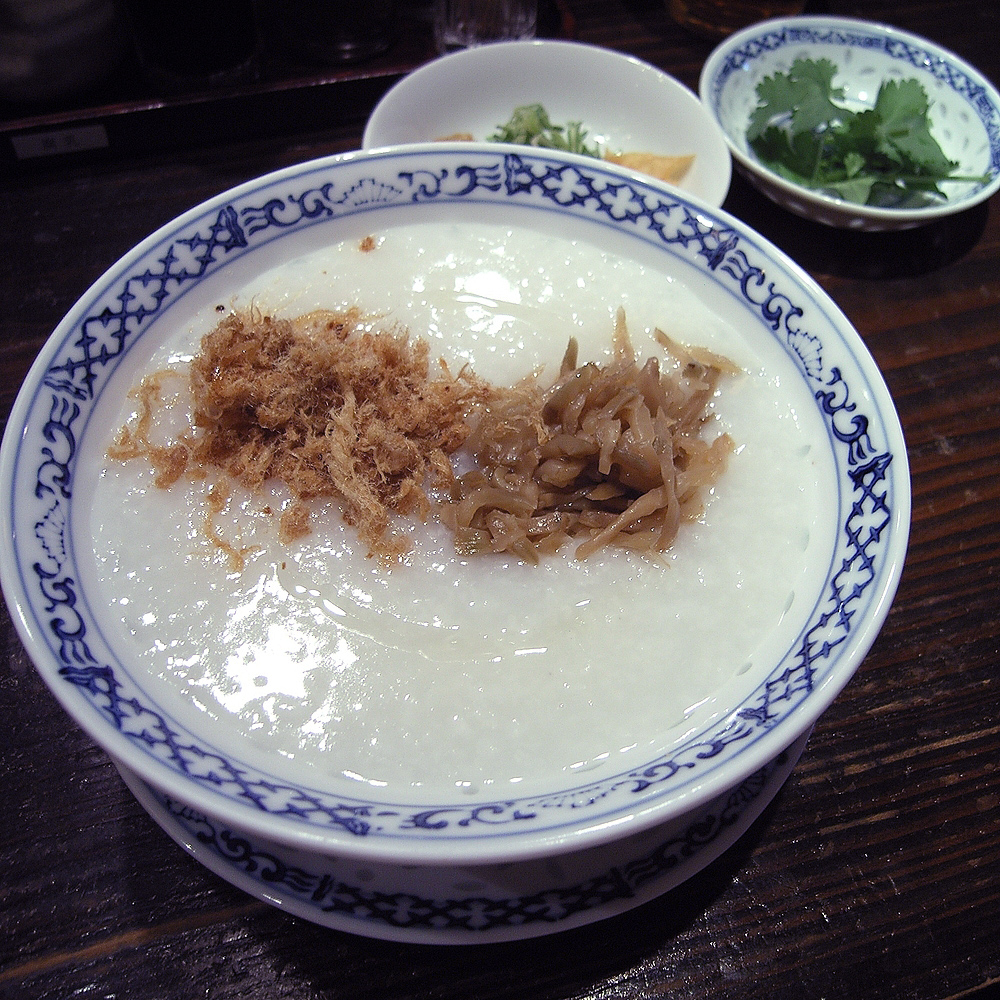 Congee粥
🇨🇳 China and 5 moreRice simmered in water to make a soft, comforting porridge
Main dish, Breakfast, Dinner
Congee粥
🇨🇳 China and 5 moreRice simmered in water to make a soft, comforting porridge
Main dish, Breakfast, Dinner
 Chicken soupMeat
🇺🇸 United States and 4 moreA hot soup of chicken simmered with vegetables, noodles or grains
Soup, Lunch, Dinner
Chicken soupMeat
🇺🇸 United States and 4 moreA hot soup of chicken simmered with vegetables, noodles or grains
Soup, Lunch, Dinner
 LontongVegan
🇮🇩 Indonesia and 2 moreCylindrical rice cake wrapped in banana leaf, served with sauces or soups
Main dish, Breakfast, Lunch
LontongVegan
🇮🇩 Indonesia and 2 moreCylindrical rice cake wrapped in banana leaf, served with sauces or soups
Main dish, Breakfast, Lunch