
Lutefisk
Nordic dish of dried whitefish rehydrated and treated with lye
Lutefisk is a traditional Nordic dish made by soaking dried whitefish, usually cod, in lye and then water until it becomes soft and gelatinous. It is especially popular in Norway, Sweden, and Finland during Christmas, often served with potatoes, peas, and butter.
- Made by soaking dried cod in lye and water
- Has a soft, jelly-like texture after preparation
- Eaten mainly at Christmas in Norway, Sweden, and Finland
- Served with potatoes, peas, butter, and sometimes bacon
- Popular in Scandinavian communities in North America
What is Lutefisk?
Lutefisk is made from dried whitefish, most often cod, which is soaked in water and then treated with lye. This process gives the fish a translucent, jelly-like texture. The finished dish is mild in flavor and is usually served hot. Its appearance is glossy and soft, and it is commonly accompanied by potatoes, peas, and butter. The unique preparation method sets it apart from other fish dishes in the region.
Where does Lutefisk come from?
Lutefisk comes from the Nordic countries, where preserving fish was essential due to long winters and limited access to fresh food. The exact beginnings of treating dried fish with lye are not known, but it likely developed in areas with little access to salt. Stockfish, the dried fish used, has been a staple for centuries. The use of lye may have started as a way to soften lower-quality fish, making it easier to eat.
How is Lutefisk made?
To make lutefisk, dried cod is first soaked in water for several days, with the water changed daily. Next, it is soaked in a cold lye solution for a couple of days, which causes the fish to swell and develop its signature texture. After this, the fish is rinsed in fresh water for several more days to remove the lye and make it safe to eat. Cooking is gentle, often by steaming or baking, to keep the fish from falling apart.


How and when is Lutefisk eaten?
Lutefisk is a festive food, especially around Christmas in Norway, Sweden, and Finland. It is typically eaten at dinner and served with sides like boiled potatoes, mashed peas, melted butter, and sometimes fried bacon. In different regions, people may add white sauce, mustard, or spices. In North America, Scandinavian communities continue the tradition, often gathering for special lutefisk dinners during the holiday season.
Kinds of Lutefisk
While cod is the usual fish, ling or burbot can also be used. Side dishes and seasonings vary by region and family tradition. In Sweden, allspice or mustard may be added, while in some parts of Norway and Finland, lutefisk is served on flatbread or with whey cheese. In North America, especially among Scandinavian-Americans, the accompaniments can include lefse, gravy, or even meatballs.
What Lutefisk means
Lutefisk is closely tied to Christmas celebrations in Scandinavia and among descendants abroad. Eating lutefisk is a holiday ritual, and it often sparks lively debates about the best way to prepare and serve it. In places like Minnesota and Alberta, lutefisk dinners are community events. The dish is also the subject of jokes and stories, reflecting both affection and amusement toward this unusual tradition.
When Lutefisk is on the table
Questions people ask about Lutefisk
What is lutefisk made of?
Lutefisk is made from dried whitefish, usually cod, which is soaked in lye and then water. This process gives the fish a soft, gelatinous texture.
Where does lutefisk come from?
Lutefisk is a traditional dish from Norway, Sweden, and Finland. It is especially associated with Christmas celebrations in these countries.
How is lutefisk prepared?
The fish is first soaked in water for several days, then in a lye solution, and finally rinsed in water again. It is cooked gently to keep its shape, often by steaming or baking.
When is lutefisk usually eaten?
Lutefisk is most commonly eaten during the Christmas season, often as part of festive dinners with family and friends.
What does lutefisk taste like?
The taste of lutefisk is very mild, and it takes on the flavors of the sauces and side dishes served with it, such as butter, peas, or white sauce.
Good reading and sources
- Encyclopaedia BritannicaArticle
- Scandinavians’ Strange Holiday Lutefisk TraditionSmithsonian Magazine, Article
The facts on this page come from the Wikipedia article "Lutefisk", written by its contributors and used under the CC BY-SA 4.0 licence, and from its Wikidata record (CC0). Thali rewrote the text in its own words, with AI assistance, and compares every page with the article to make sure no passage is copied. It may be reused under the same CC BY-SA 4.0 licence with a link back.
It may contain mistakes, and it is not dietary or allergy advice: recipes differ from cook to cook. If something is wrong, tell us. Last refreshed 2026-10-03.
More from Norway
All the food of Norway Fish and chipsFish or seafood
🇬🇧 United Kingdom and 8 moreBattered fried fish served hot with thick-cut chips
Main dish, Lunch, Dinner
Fish and chipsFish or seafood
🇬🇧 United Kingdom and 8 moreBattered fried fish served hot with thick-cut chips
Main dish, Lunch, Dinner
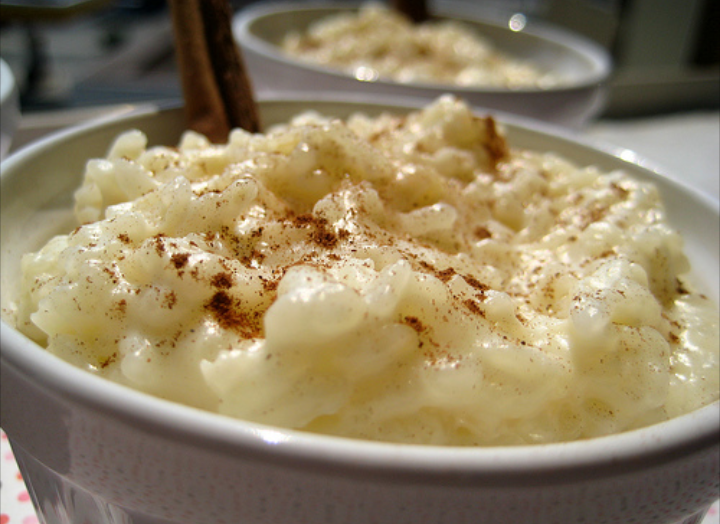 Rice pudding
🇮🇳 India and 4 moreSweetened rice cooked in milk, found in many forms worldwide
Sweet or dessert, Breakfast, Lunch
Rice pudding
🇮🇳 India and 4 moreSweetened rice cooked in milk, found in many forms worldwide
Sweet or dessert, Breakfast, Lunch
 Smörgåsbord
🇸🇪 Sweden and 2 moreA Swedish buffet meal with a spread of cold and hot dishes
Main dish, Lunch, Dinner
Smörgåsbord
🇸🇪 Sweden and 2 moreA Swedish buffet meal with a spread of cold and hot dishes
Main dish, Lunch, Dinner
 GravlaxFish or seafood
🇸🇪 Sweden and 3 moreSalmon cured with salt, sugar and dill, sliced thin and served with mustard-dill sauce
Main dish, Lunch, Dinner
GravlaxFish or seafood
🇸🇪 Sweden and 3 moreSalmon cured with salt, sugar and dill, sliced thin and served with mustard-dill sauce
Main dish, Lunch, Dinner
Its cousins elsewhere
All main dishes ChapatiVeganचपाती
🇮🇳 India and 4 moreUnleavened flatbread cooked on a griddle and served hot with meals
Bread, Breakfast, Lunch
ChapatiVeganचपाती
🇮🇳 India and 4 moreUnleavened flatbread cooked on a griddle and served hot with meals
Bread, Breakfast, Lunch
 Pelmeniпельмени
🇷🇺 RussiaRussian dumplings filled with seasoned meat and wrapped in thin dough
Dumpling, Lunch, Dinner
Pelmeniпельмени
🇷🇺 RussiaRussian dumplings filled with seasoned meat and wrapped in thin dough
Dumpling, Lunch, Dinner
 TocinoMeat
🇵🇭 Philippines and 5 moreCured or fried pork enjoyed in Spain, the Philippines, and the Caribbean
Main dish, Breakfast, Lunch
TocinoMeat
🇵🇭 Philippines and 5 moreCured or fried pork enjoyed in Spain, the Philippines, and the Caribbean
Main dish, Breakfast, Lunch
 Udonうどん / 饂飩
🇯🇵 Japan and 4 moreThick wheat noodles served hot or cold in Japanese cooking
Noodle or pasta dish, Lunch, Dinner
Udonうどん / 饂飩
🇯🇵 Japan and 4 moreThick wheat noodles served hot or cold in Japanese cooking
Noodle or pasta dish, Lunch, Dinner