
Luwombo
Ugandan stew steamed in smoked banana leaves
Luwombo is a traditional stew from Buganda in central Uganda, made by steaming meat, fish, or groundnuts with vegetables and spices inside smoked banana leaves. Once reserved for royalty, it is now enjoyed by many Ugandans, often served with staples like matooke, rice, or yams.
- Steamed in smoked banana leaves for a unique aroma
- Created in 1887 for the Buganda royal family
- Served with matooke, rice, yams, or sweet potatoes
- Can be made with chicken, beef, goat, fish, or groundnuts
What is Luwombo?
Luwombo is a Ugandan stew where meat, fish, or groundnuts are wrapped in smoked banana leaves and steamed. The banana leaves, from the Ndiizi variety, give the dish a smoky aroma and help keep the ingredients moist. Inside, you might find chicken, beef, goat, or fish, mixed with vegetables like tomatoes, onions, and carrots, along with groundnuts and spices. The stew is usually served hot, often still wrapped in the banana leaves, and eaten with local staples such as matooke (steamed green bananas), rice, yams, or sweet potatoes.
Where does Luwombo come from?
Luwombo began in 1887 in the Buganda kingdom, central Uganda. It was first made by Kawuuta, the royal chef for Kabaka Mwanga, and was originally served to the king, royal family, and important guests. Over time, the dish spread beyond the palace and became popular among the Baganda people and other Ugandan communities. It was once a highlight at ceremonies like weddings and introduction rituals but is now a common meal in homes and restaurants.
How is Luwombo made?
To make Luwombo, young banana leaves are smoked over a fire until they become soft and aromatic. The main ingredient, such as chicken, beef, goat, or fish, is often grilled first, then mixed with chopped vegetables and spices. This mixture is placed on the smoked leaf, wrapped up, and tied with banana fiber. The parcels are arranged in a pot over banana stalks, covered with more leaves, and steamed slowly for one to four hours. The banana leaves keep the stew moist and infuse it with a unique flavor.


How and when is Luwombo eaten?
Luwombo is typically eaten at lunch or dinner. It is served hot, often still in the banana leaves, which are opened at the table. People eat it with matooke, posho (a maize porridge), yams, rice, or sweet potatoes. While it was once reserved for special occasions and royal guests, it is now a regular part of Ugandan meals and can be found in homes, restaurants, and hotels. Each person may receive their own small parcel of Luwombo.
Kinds of Luwombo
There are several types of Luwombo, depending on the main filling. Chicken Luwombo is common, but beef, goat, and fish versions are also popular. Some versions use groundnuts mixed with mushrooms or vegetables for a vegetarian option. The choice of meat, fish, or nuts, and the mix of spices and vegetables, can vary by family or region. The basic technique of steaming in smoked banana leaves remains the same.
What Luwombo means
Luwombo has royal roots in Buganda and was once a symbol of hospitality and status, served to kings and at major ceremonies like weddings. Today, it is a cherished part of Ugandan food culture, enjoyed by many ethnic groups. Preparing Luwombo is seen as a sign of respect and care for guests. The use of banana leaves and traditional steaming methods connects the dish to Ugandan heritage.
Questions people ask about Luwombo
What is Luwombo made of?
Luwombo is made by wrapping meat, fish, or groundnuts with vegetables and spices in smoked banana leaves, then steaming the parcels. Common fillings include chicken, beef, goat, fish, or a mix of groundnuts and mushrooms.
Where does Luwombo come from?
Luwombo comes from the Buganda region in central Uganda. It was first prepared for the royal family in 1887 and has since become a popular dish across Uganda.
How is Luwombo cooked?
The main ingredients are wrapped in smoked banana leaves and tied into parcels. These are placed in a pot over banana stalks, covered with more leaves, and steamed for several hours, giving the stew a smoky flavor.
What do you eat with Luwombo?
Luwombo is usually served with matooke (steamed green bananas), rice, yams, sweet potatoes, or posho. It is eaten hot, often directly from the banana leaf.
Is Luwombo always made with meat?
No, Luwombo can be made with chicken, beef, goat, fish, or groundnuts and mushrooms for a vegetarian version. The main filling varies by preference.
Good reading and sources
The facts on this page come from the Wikipedia article "Luwombo", written by its contributors and used under the CC BY-SA 4.0 licence, and from its Wikidata record (CC0). Thali rewrote the text in its own words, with AI assistance, and compares every page with the article to make sure no passage is copied. It may be reused under the same CC BY-SA 4.0 licence with a link back.
It may contain mistakes, and it is not dietary or allergy advice: recipes differ from cook to cook. If something is wrong, tell us. Last refreshed 2026-10-03.
More from Uganda
All the food of Uganda ChapatiVeganचपाती
🇮🇳 India and 4 moreUnleavened flatbread cooked on a griddle and served hot with meals
Bread, Breakfast, Lunch
ChapatiVeganचपाती
🇮🇳 India and 4 moreUnleavened flatbread cooked on a griddle and served hot with meals
Bread, Breakfast, Lunch
 MatokeVegan
🇺🇬 Uganda and 4 moreSteamed and mashed green bananas, a staple meal in East Africa
Main dish, Breakfast, Lunch
MatokeVegan
🇺🇬 Uganda and 4 moreSteamed and mashed green bananas, a staple meal in East Africa
Main dish, Breakfast, Lunch
 RolexVegetarian
🇺🇬 UgandaOmelette and vegetables wrapped in chapati, a popular Ugandan street food
Street food, Breakfast, Lunch
RolexVegetarian
🇺🇬 UgandaOmelette and vegetables wrapped in chapati, a popular Ugandan street food
Street food, Breakfast, Lunch
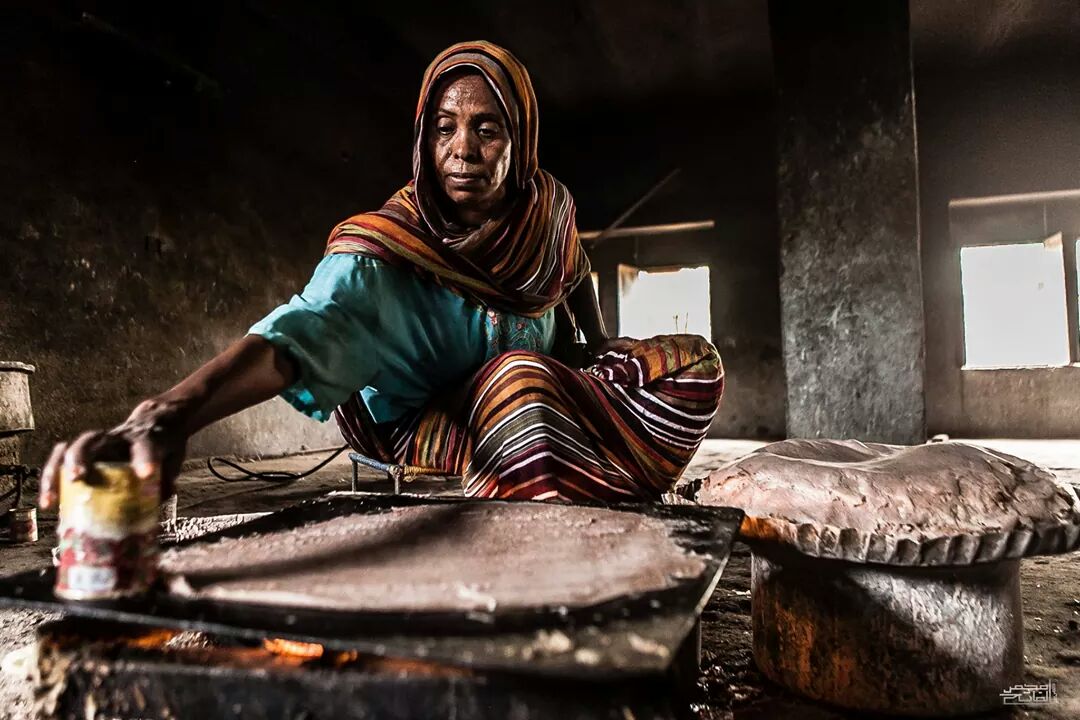 KisraVegan
🇸🇩 Sudan and 5 moreA thin, fermented sorghum flatbread from Sudan and neighboring countries
Bread
KisraVegan
🇸🇩 Sudan and 5 moreA thin, fermented sorghum flatbread from Sudan and neighboring countries
Bread
Its cousins elsewhere
All main dishes Chicken tikka masalaMeat
🇬🇧 United Kingdom and 4 moreRoasted marinated chicken in a creamy, spiced tomato-based sauce
Main dish, Lunch, Dinner
Chicken tikka masalaMeat
🇬🇧 United Kingdom and 4 moreRoasted marinated chicken in a creamy, spiced tomato-based sauce
Main dish, Lunch, Dinner
 Kala bhunaMeat
🇧🇩 BangladeshA dark, richly spiced beef curry from Chittagong, Bangladesh
Main dish, Lunch, Dinner
Kala bhunaMeat
🇧🇩 BangladeshA dark, richly spiced beef curry from Chittagong, Bangladesh
Main dish, Lunch, Dinner
 RajmaVegetarian
🇮🇳 India and 2 moreKidney beans stewed with spices, often served with rice in North India and Nepal
Main dish, Lunch, Dinner
RajmaVegetarian
🇮🇳 India and 2 moreKidney beans stewed with spices, often served with rice in North India and Nepal
Main dish, Lunch, Dinner
 Kabab Bargکباب برگ
🇮🇷 IranPersian skewered meat marinated and grilled over open fire
Main dish, Lunch, Dinner
Kabab Bargکباب برگ
🇮🇷 IranPersian skewered meat marinated and grilled over open fire
Main dish, Lunch, Dinner