
Rolex
Omelette and vegetables wrapped in chapati, a popular Ugandan street food
Rolex is a Ugandan street food made by rolling an omelette with vegetables inside a chapati flatbread. It is eaten across Uganda at any time of day, valued for its quick preparation, low cost, and satisfying taste.
- Rolex combines omelette and vegetables rolled in chapati
- Originated in Busoga and spread through Ugandan cities
- Popular for being quick, cheap, and filling
- Variations include 'Titanic' and 'Kikomando'
- Promoted as a tourist food in Uganda
What is Rolex?
A rolex is a single-serving Ugandan street food where an egg omelette, mixed with vegetables like onion and tomato, is wrapped inside a chapati, a type of flatbread. The whole roll is usually eaten hot, straight from the pan. Its appearance is that of a thick, filled roll, with the chapati forming a soft, chewy outer layer and the omelette providing a savory, slightly crisp filling. The taste is mild and comforting, with the vegetables adding freshness and texture.
Where does Rolex come from?
The rolex began with a chapati vendor's idea in the Busoga region of Uganda. It quickly spread to Wandegeya, an area near Makerere University, where students embraced it as an affordable and quick meal. Its name comes from 'rolled eggs,' describing how the chapati and omelette are combined. Over time, the rolex became popular throughout Uganda, valued for its convenience and taste. Recent events, such as the Russo-Ukrainian War, have affected the cost of ingredients like wheat flour and oil, impacting its price.
How is Rolex made?
To make a rolex, a chapati is prepared or reheated on a flat pan. Separately, an omelette is cooked, often mixed with chopped onions, tomatoes, and other vegetables. Once the omelette is ready, it is placed on the chapati and both are rolled together tightly. The roll is sometimes pressed lightly on the pan to warm through. The finished rolex is served hot, often wrapped in paper for easy eating on the go.


How and when is Rolex eaten?
Rolex is eaten at any time of day in Uganda, from breakfast to late-night snack. It is especially popular in urban areas, where it is sold by street vendors for a low price. People often eat it with their hands, sometimes on the move. It can be a quick meal for students, workers, or anyone looking for something filling and affordable. There are no special accompaniments, but it is sometimes enjoyed with tea or a soft drink.
Kinds of Rolex
Several variations exist. The 'Titanic' uses two or more chapatis rolled together for a larger portion. 'Kikomando' is another style where chapati is chopped and mixed with beans, eaten with the hands. These versions reflect the creativity of vendors and the needs of customers for a more filling or different meal. The basic concept remains the same: chapati and eggs combined in a convenient form.
What Rolex means
Rolex has become a symbol of Ugandan street food culture, representing convenience, affordability, and local ingenuity. It is promoted as a tourist attraction by Ugandan authorities. Its popularity grew from student life to become a national favorite. The dish has also been affected by global events, such as rising ingredient prices, showing its connection to everyday life and economics in Uganda.
Questions people ask about Rolex
What is a rolex made of?
A rolex is made by rolling an egg omelette with vegetables such as onion and tomato inside a chapati flatbread. Cooking oil is used to prepare both the chapati and the omelette.
Where does the rolex come from?
The rolex originated in Uganda, first created by a chapati vendor in the Busoga region and later popularized in places like Wandegeya near Makerere University.
When do people eat rolex?
Rolex is eaten at any time of day in Uganda, including breakfast, lunch, dinner, or as a snack or supper. It is a common street food.
Are there different types of rolex?
Yes, variations include the 'Titanic,' which uses two or more chapatis, and 'Kikomando,' where chapati is chopped and mixed with beans.
Why is it called 'rolex'?
The name 'rolex' comes from the way it is made: the chapati and omelette are rolled together, which sounds like 'rolled eggs.'
Good reading and sources
The facts on this page come from the Wikipedia article "Rolex (food)", written by its contributors and used under the CC BY-SA 4.0 licence, and from its Wikidata record (CC0). Thali rewrote the text in its own words, with AI assistance, and compares every page with the article to make sure no passage is copied. It may be reused under the same CC BY-SA 4.0 licence with a link back.
It may contain mistakes, and it is not dietary or allergy advice: recipes differ from cook to cook. If something is wrong, tell us. Last refreshed 2026-10-03.
More from Uganda
All the food of Uganda ChapatiVeganचपाती
🇮🇳 India and 4 moreUnleavened flatbread cooked on a griddle and served hot with meals
Bread, Breakfast, Lunch
ChapatiVeganचपाती
🇮🇳 India and 4 moreUnleavened flatbread cooked on a griddle and served hot with meals
Bread, Breakfast, Lunch
 MatokeVegan
🇺🇬 Uganda and 4 moreSteamed and mashed green bananas, a staple meal in East Africa
Main dish, Breakfast, Lunch
MatokeVegan
🇺🇬 Uganda and 4 moreSteamed and mashed green bananas, a staple meal in East Africa
Main dish, Breakfast, Lunch
 Luwombo
🇺🇬 UgandaUgandan stew steamed in smoked banana leaves
Main dish, Lunch, Dinner
Luwombo
🇺🇬 UgandaUgandan stew steamed in smoked banana leaves
Main dish, Lunch, Dinner
 KisraVegan
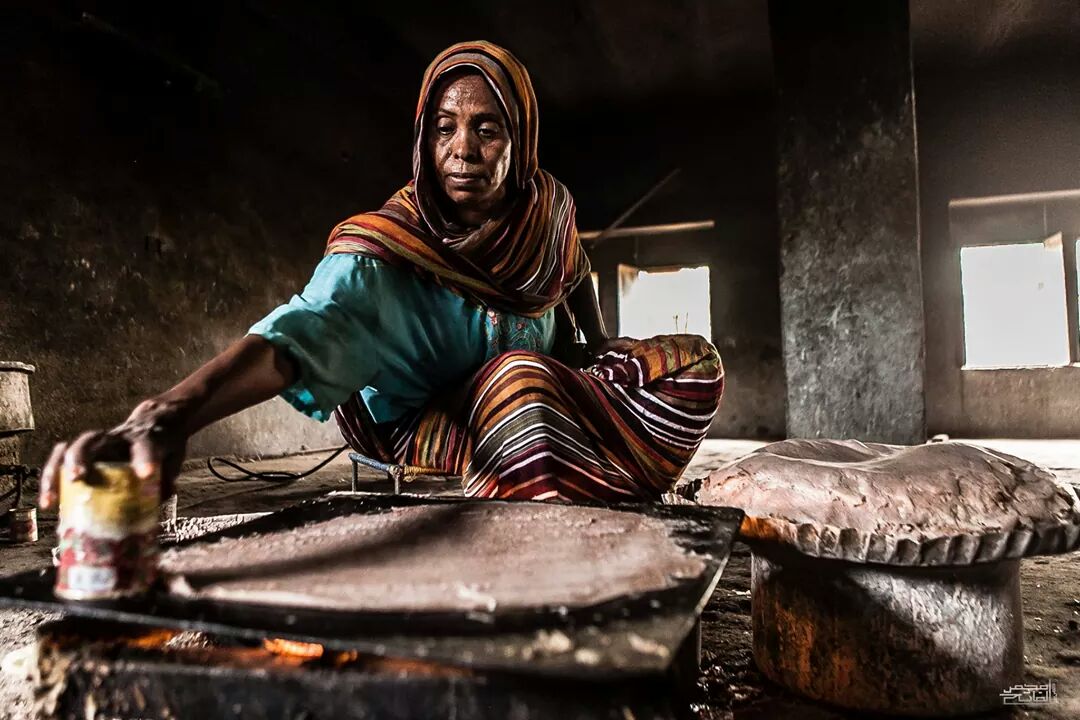
🇸🇩 Sudan and 5 moreA thin, fermented sorghum flatbread from Sudan and neighboring countries
Bread
KisraVegan
🇸🇩 Sudan and 5 moreA thin, fermented sorghum flatbread from Sudan and neighboring countries
Bread
Its cousins elsewhere
All street food TomatokeftedesVegan
🇬🇷 GreeceFried tomato fritters from Santorini made with herbs and flour
Street food, Snacks
TomatokeftedesVegan
🇬🇷 GreeceFried tomato fritters from Santorini made with herbs and flour
Street food, Snacks
 Tempura天ぷら
🇯🇵 Japan and 1 moreSeafood or vegetables coated in a light batter and deep-fried
Main dish, Lunch, Dinner
Tempura天ぷら
🇯🇵 Japan and 1 moreSeafood or vegetables coated in a light batter and deep-fried
Main dish, Lunch, Dinner
 Fried rice
🇨🇳 China and 5 moreCooked rice stir-fried with eggs, vegetables, meat or seafood, and seasonings
Main dish, Breakfast, Lunch
Fried rice
🇨🇳 China and 5 moreCooked rice stir-fried with eggs, vegetables, meat or seafood, and seasonings
Main dish, Breakfast, Lunch
 Empanada
🇪🇸 Spain and 5 morePastry turnovers filled with meat, cheese, or vegetables, baked or fried
Pie or savoury pastry, Lunch, Dinner
Empanada
🇪🇸 Spain and 5 morePastry turnovers filled with meat, cheese, or vegetables, baked or fried
Pie or savoury pastry, Lunch, Dinner