
Macaroni
In its own language: Maccheroni
Tubular dry pasta shapes made from durum wheat
Macaroni is a dry tubular pasta developed in Italy from durum wheat semolina. It is eaten worldwide in baked cheese sauces, hearty breakfast broths, savoury pastry pies, and spicy stir-fries.
- The distinct curved elbow shape forms when dough extrudes faster on one side of a die.
- An English manuscript from 1390 preserves an early recipe for macaroni tossed with cheese.
- Hong Kong cafes often serve boiled macaroni in clear morning soups with sausage and ham.
- United States federal law classifies spaghetti, macaroni, and vermicelli as macaroni products.
What is Macaroni?
Macaroni is a hollow, slender pasta made from milled durum wheat dough. In English-speaking regions, the name usually refers to short, semicircular pieces known as elbow macaroni. In Italy, the term maccheroni describes straight, square-cut short tubes or even certain long pasta styles. Dried macaroni is pale, firm, and neutral in flavour, which allows it to absorb savoury sauces or light broths. Its hollow center easily holds melted cheese, gravies, and soup liquid.
Where does Macaroni come from?
Scholars trace the name to the Greek word makaria, linked to funerary meals or barley gruel, while linguist G. Alessio connects it to medieval dirges. Food historian John Dickie offers an alternate root in the Italian verb maccare, meaning to crush or pound. The pasta has a long recorded history in Britain, appearing under the spelling makerouns in the fourteenth-century cookbook The Forme of Cury, which holds an early recipe combining it with cheese.
How is Macaroni made?
Commercial factories mix durum wheat flour with water into a dense dough, then force it through metal extrusion dies. To create the iconic curved elbow, the machine pushes the dough out faster on one side than the other as it exits the opening. Rotating blades trim the hollow strands into short sections before they are dried. Home cooks can also press the shapes through domestic pasta attachments before boiling the pieces in water.

How and when is Macaroni eaten?
Across North America and Britain, boiled macaroni is baked or tossed with melted cheese. In Scotland, bakers enclose this cheesy mixture inside savoury pastry pies sold at football matches. In Hong Kong tea restaurants and Southeast Asian coffee shops, cooks rinse boiled macaroni and serve it in mild broth alongside sliced ham, frankfurters, peas, or eggs for morning meals. In Malaysia, cooks stir-fry it with chili paste, oyster sauce, and shallots.
Kinds of Macaroni
Shapes related to elbow macaroni include ridged rigatoni, coiled tortiglioni, and shell-like pipe. In nineteenth-century Switzerland, mountain cooks paired macaroni with cream and cheese to create Älplermagronen. Victorian Britons cooked a sweet version with milk and sugar like rice pudding. Long ago in seventh-century Crete, islanders prepared a similar early pasta named makarogia, which they seasoned with saffron.
What Macaroni means
Under United States food standards, macaroni serves as a formal legal classification that covers several dried pasta forms, including vermicelli and spaghetti. In Italian culinary tradition, maccheroni alla chitarra refers not to tubular pieces but to long, square-edged strands cut across wire strings. The curved elbow variety remains deeply rooted in everyday family cooking across several continents.
Questions people ask about Macaroni
What is macaroni made of?
Macaroni is made from durum wheat semolina mixed with water into a stiff dough and pressed into hollow tubular shapes.
Where does macaroni come from?
Macaroni originated in Italy, where the word maccheroni has long described various tubular or elongated pasta styles.
How does elbow macaroni get its curve?
Commercial extrusion machinery forces pasta dough through shaping dies at uneven speeds on opposite sides, causing the emerging tube to bend.
How is macaroni eaten in Asia?
Diners eat it as a soup noodle in broth with ham and vegetables, or stir-fry it with shallots, oyster sauce, and chili.
Good reading and sources
The facts on this page come from the Wikipedia article "Macaroni", written by its contributors and used under the CC BY-SA 4.0 licence, and from its Wikidata record (CC0). EveryThali rewrote the text in its own words, with AI assistance, and compares every page with the article to make sure no passage is copied. It may be reused under the same CC BY-SA 4.0 licence with a link back.
It may contain mistakes, and it is not dietary or allergy advice: recipes differ from cook to cook. If something is wrong, tell us. Last refreshed 2026-10-04.
More from Italy
All the food of Italy Pasta
🇮🇹 Italy and 1 moreUnleavened dough shaped and cooked, a staple of Italian cuisine
Main dish, Lunch, Dinner
Pasta
🇮🇹 Italy and 1 moreUnleavened dough shaped and cooked, a staple of Italian cuisine
Main dish, Lunch, Dinner
 SpaghettiVegan
🇮🇹 Italy and 2 moreLong, thin pasta strands made from durum wheat and water
Noodle or pasta dish, Lunch, Dinner
SpaghettiVegan
🇮🇹 Italy and 2 moreLong, thin pasta strands made from durum wheat and water
Noodle or pasta dish, Lunch, Dinner
 TortelliniMeat
🇮🇹 ItalySmall ring-shaped pasta parcels filled with seasoned meat and cheese
Main dish, Lunch, Dinner
TortelliniMeat
🇮🇹 ItalySmall ring-shaped pasta parcels filled with seasoned meat and cheese
Main dish, Lunch, Dinner
 OrecchietteVegan
🇮🇹 ItalySmall ear-shaped pasta from Apulia, Italy, made by hand from durum wheat flour and water
Noodle or pasta dish, Lunch, Dinner
OrecchietteVegan
🇮🇹 ItalySmall ear-shaped pasta from Apulia, Italy, made by hand from durum wheat flour and water
Noodle or pasta dish, Lunch, Dinner
Its cousins elsewhere
All noodles and pasta Udonうどん / 饂飩
🇯🇵 Japan and 4 moreThick wheat noodles served hot or cold in Japanese cooking
Noodle or pasta dish, Lunch, Dinner
Udonうどん / 饂飩
🇯🇵 Japan and 4 moreThick wheat noodles served hot or cold in Japanese cooking
Noodle or pasta dish, Lunch, Dinner
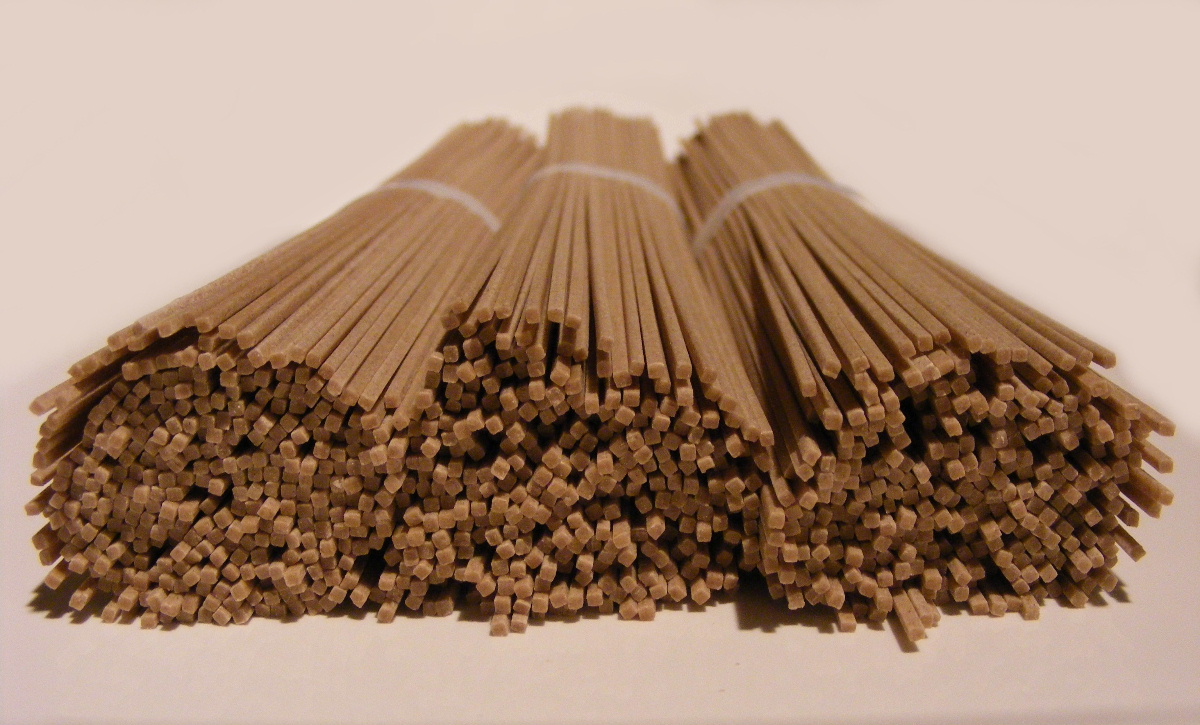 SobaVegan蕎麦
🇯🇵 Japan and 1 moreJapanese noodles made from buckwheat, served hot in broth or cold with dipping sauce
Noodle or pasta dish, Lunch, Dinner
SobaVegan蕎麦
🇯🇵 Japan and 1 moreJapanese noodles made from buckwheat, served hot in broth or cold with dipping sauce
Noodle or pasta dish, Lunch, Dinner
 Biangbiang noodlesVegan𰻞𰻞麵
🇨🇳 ChinaWide, hand-pulled noodles from Shaanxi, known for their belt-like shape
Noodle or pasta dish
Biangbiang noodlesVegan𰻞𰻞麵
🇨🇳 ChinaWide, hand-pulled noodles from Shaanxi, known for their belt-like shape
Noodle or pasta dish
 SōmenVegetarian素麺
🇯🇵 Japan and 2 moreVery thin wheat noodles served cold or in soup across East Asia
Noodle or pasta dish, Lunch, Dinner
SōmenVegetarian素麺
🇯🇵 Japan and 2 moreVery thin wheat noodles served cold or in soup across East Asia
Noodle or pasta dish, Lunch, Dinner