
Mandazi
Fluffy fried bread from the Swahili coast, gently sweetened and cut into triangles
Mandazi is a fried yeast dough that comes from the coastal regions of Kenya and Tanzania. Prepared with flour, sugar, water, and milk, this fluffy pastry is eaten as a quick snack, paired with morning tea, or served at family meals.
- Originated along the Swahili coast of Kenya and Tanzania.
- Commonly cut into triangles and fried until puffed and golden brown.
- Known as mahamri when coconut milk is substituted in the dough.
- Served as a fast-breaking staple during Ramadan in Somali cuisine.
What is Mandazi?
Mandazi is a light, tender fried bread central to East African cooking. It resembles a doughnut in structure, though it contains noticeably less sugar than American-style doughnuts and is rarely iced or glazed. Inside, the crumb is soft and airy, while the exterior turns a uniform golden brown from hot oil. Cooks traditionally form the pieces into triangles, similar to samosas, though rounds and oval cuts are also ordinary. When served plain, it carries a mild sweetness, making it adaptable to both sweet accompaniments and savoury dishes.
Where does Mandazi come from?
The bread traces its roots to the Swahili coast along the Indian Ocean, where it remains a foundation of Swahili home cooking across coastal Kenya and Tanzania. Over time, the treat spread widely throughout East Africa and the African Great Lakes, becoming an everyday staple in neighbouring nations. Related fried doughs appear across the continent, such as puff-puff in Nigeria and bofrot in Ghana.
How is Mandazi made?
The dough starts by bringing together wheat flour, granulated sugar, warm water, yeast, and milk. After kneading and rising, the baker portions and rolls the dough, trimming it into triangles, circles, or ovals. Each piece is submerged in hot cooking oil for a short time until it puffs up with a crisp, golden-brown skin. Once lifted from the oil, the pastries drain and can be served immediately while warm or left to cool to room temperature.

How and when is Mandazi eaten?
People enjoy mandazi throughout the entire day. Batches are often mixed early in the morning or the previous evening to accompany breakfast tea or fresh fruit juice. Cold leftovers can be kept and reheated for dinner alongside stews or savoury meals. Diners also treat them as an on-the-go snack, dunking them into fruit-flavoured dips. For a sweeter ending to a meal, they can be dusted with powdered sugar or spiced cinnamon sugar.
Kinds of Mandazi
When prepared with coconut milk instead of dairy milk, the bread takes on a richer aroma and is called mahamri or mamri. Finely crushed peanuts or ground almonds are sometimes folded into the dough to change its flavour and body. In Somalia, the pastry is known simply as bur, meaning flour or dough, and is traditionally enjoyed with savoury samosas.
What Mandazi means
Mandazi is woven into everyday domestic life across East Africa because it is easy to prepare in large amounts and reheats smoothly. It also holds a place in religious observances: in Somali households, bur is a regular element of the Iftar spread when breaking the fast each evening during Ramadan.
When Mandazi is on the table
Questions people ask about Mandazi
What is mandazi made of?
Mandazi is made from a yeast dough containing wheat flour, water, sugar, and milk, which is briefly fried in hot cooking oil until light and puffy.
Where does mandazi come from?
It comes from the Swahili coast of East Africa, where it has long been a core dish for the Swahili people living in coastal Kenya and Tanzania.
How does mandazi differ from Western doughnuts?
Mandazi is generally less sweet than American doughnuts and is served without frostings, icings, or glazes, though it may occasionally be dusted with powdered sugar.
What is the difference between mandazi and mahamri?
Mahamri, or mamri, is specifically made with coconut milk instead of regular milk, lending the pastry a distinctive sweetness and fragrance.
Good reading and sources
The facts on this page come from the Wikipedia article "Mandazi", written by its contributors and used under the CC BY-SA 4.0 licence, and from its Wikidata record (CC0). EveryThali rewrote the text in its own words, with AI assistance, and compares every page with the article to make sure no passage is copied. It may be reused under the same CC BY-SA 4.0 licence with a link back.
It may contain mistakes, and it is not dietary or allergy advice: recipes differ from cook to cook. If something is wrong, tell us. Last refreshed 2026-10-04.
More from Tanzania
All the food of Tanzania ChapatiVeganचपाती
🇮🇳 India and 4 moreUnleavened flatbread cooked on a griddle and served hot with meals
Bread, Breakfast, Lunch
ChapatiVeganचपाती
🇮🇳 India and 4 moreUnleavened flatbread cooked on a griddle and served hot with meals
Bread, Breakfast, Lunch
 Banana wineVegan
🇹🇿 Tanzania and 2 moreA clear alcoholic drink made by fermenting ripe bananas and sugar
Drink
Banana wineVegan
🇹🇿 Tanzania and 2 moreA clear alcoholic drink made by fermenting ripe bananas and sugar
Drink
 Chipsi mayaiVegetarian
🇹🇿 TanzaniaA Tanzanian street omelette made with French fries and eggs
Main dish, Lunch, Dinner
Chipsi mayaiVegetarian
🇹🇿 TanzaniaA Tanzanian street omelette made with French fries and eggs
Main dish, Lunch, Dinner
 ChikandaVegan
🇿🇲 Zambia and 3 moreA Zambian cake made from wild orchid tubers and groundnuts, often called African polony
Sweet or dessert, Snacks, Dinner
ChikandaVegan
🇿🇲 Zambia and 3 moreA Zambian cake made from wild orchid tubers and groundnuts, often called African polony
Sweet or dessert, Snacks, Dinner
Its cousins elsewhere
All breads BriocheVegetarianune brioche
🇫🇷 FranceFrench bread made with eggs and butter, often shaped in rounds or loaves
Bread, Breakfast, Snacks
BriocheVegetarianune brioche
🇫🇷 FranceFrench bread made with eggs and butter, often shaped in rounds or loaves
Bread, Breakfast, Snacks
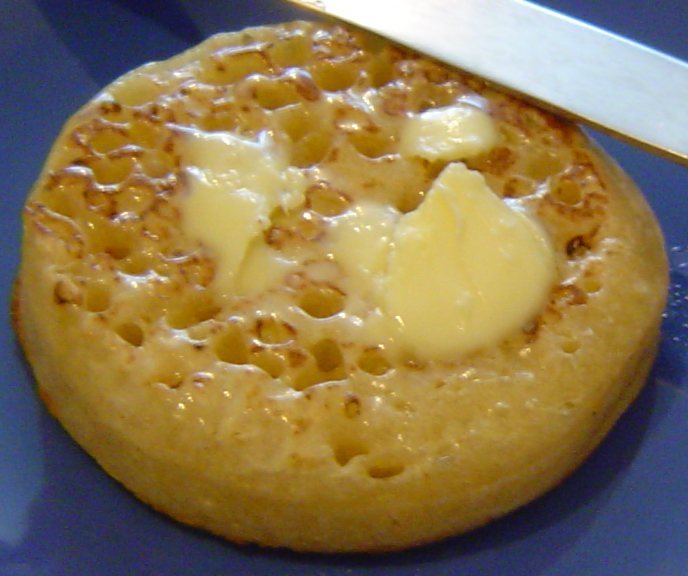 CrumpetVegetarian
🇬🇧 United Kingdom and 5 moreRound, spongy griddle bread with a porous top, often eaten toasted with butter
Bread, Breakfast, Snacks
CrumpetVegetarian
🇬🇧 United Kingdom and 5 moreRound, spongy griddle bread with a porous top, often eaten toasted with butter
Bread, Breakfast, Snacks
 Guokui锅盔
🇨🇳 ChinaLarge, round Chinese flatbread from Shaanxi, sometimes stuffed and baked crisp
Bread
Naanनान
🇮🇳 India and 5 moreLeavened flatbread baked in a tandoor or on a pan, soft and spotted with golden brown
Bread, Lunch, Dinner
Guokui锅盔
🇨🇳 ChinaLarge, round Chinese flatbread from Shaanxi, sometimes stuffed and baked crisp
Bread
Naanनान
🇮🇳 India and 5 moreLeavened flatbread baked in a tandoor or on a pan, soft and spotted with golden brown
Bread, Lunch, Dinner