
Mangalore buns
Mildly sweet, deep-fried bread from coastal Karnataka made with banana and flour
Mangalore buns are a soft, sweet, deep-fried bread from the Udupi-Mangalore region of Karnataka, India. Made mainly from ripe banana and all purpose flour, these fluffy breads are enjoyed at breakfast or as a snack, often with coconut chutney or sambar.
- Deep-fried bread made with ripe banana and flour
- Originated in the Udupi-Mangalore region of Karnataka
- Soft, fluffy, and mildly sweet
- Often served with coconut chutney or sambar
- Variations may use finger millet or sorghum
What is Mangalore buns?
Mangalore buns are a type of deep-fried bread that look like puffed, golden rounds. They are soft, fluffy, and mildly sweet, with a gentle banana aroma. The dough is made by mixing ripe banana with all purpose flour, giving the buns their sweetness and tender texture. Once fried, the outside becomes lightly crisp while the inside stays pillowy. These buns are usually served hot and can be eaten plain or with accompaniments.
Where does Mangalore buns come from?
This dish comes from the Udupi-Mangalore area in coastal Karnataka, India. According to local legend, a temple cook created the buns to use up ripe bananas offered by devotees, mixing them into dough and frying it to serve as prasad, or food offering. Over time, Mangalore buns became a staple in the region, especially in Mangalorean and Udupi cuisine.
How is Mangalore buns made?
To make Mangalore buns, ripe bananas are mashed and combined with all purpose flour to form a soft dough. The dough may be left to rest before being shaped into small rounds. These are then deep-fried in hot oil until they puff up and turn golden. Some versions may include other flours like finger millet or sorghum, but the classic recipe relies on banana and wheat flour.

How and when is Mangalore buns eaten?
Mangalore buns are most often eaten at breakfast or as a snack. They are commonly served with spicy coconut chutney or sambar, a lentil-based vegetable stew. Some people enjoy them plain, appreciating their mild sweetness and soft texture. The buns are usually served hot, either at home or in local eateries across coastal Karnataka.
Kinds of Mangalore buns
While the standard Mangalore buns use all purpose flour and banana, some variations swap in finger millet or sorghum flour for a different taste and texture. These changes reflect local grain preferences or dietary needs. The basic method and sweet flavor remain the same, but the color and flavor can shift with the choice of flour.
What Mangalore buns means
Mangalore buns are a familiar part of daily life in the Udupi-Mangalore region. Though rooted in temple tradition, they are now enjoyed by people of all backgrounds as a breakfast or snack. The story of their origin connects them to local religious customs, but today they are a popular food in homes and restaurants throughout coastal Karnataka.
Questions people ask about Mangalore buns
What are Mangalore buns made of?
Mangalore buns are made mainly from ripe banana and all purpose flour, mixed into a dough and deep-fried. Some versions may also include finger millet or sorghum flour.
Where do Mangalore buns come from?
They come from the Udupi-Mangalore region in coastal Karnataka, India, and are part of Mangalorean and Udupi cuisine.
How are Mangalore buns usually served?
They are typically served hot, often with spicy coconut chutney or sambar, but can also be eaten plain.
Are Mangalore buns sweet or savory?
They are mildly sweet due to the ripe banana in the dough, but are sometimes paired with savory sides.
When are Mangalore buns eaten?
They are commonly eaten for breakfast or as a snack in the Udupi-Mangalore region.
Good reading and sources
The facts on this page come from the Wikipedia article "Mangalore buns", written by its contributors and used under the CC BY-SA 4.0 licence, and from its Wikidata record (CC0). Thali rewrote the text in its own words, with AI assistance, and compares every page with the article to make sure no passage is copied. It may be reused under the same CC BY-SA 4.0 licence with a link back.
It may contain mistakes, and it is not dietary or allergy advice: recipes differ from cook to cook. If something is wrong, tell us. Last refreshed 2026-10-03.
More from India
All the food of India ChapatiVeganचपाती
🇮🇳 India and 4 moreUnleavened flatbread cooked on a griddle and served hot with meals
Bread, Breakfast, Lunch
ChapatiVeganचपाती
🇮🇳 India and 4 moreUnleavened flatbread cooked on a griddle and served hot with meals
Bread, Breakfast, Lunch
 Roti canaiரொட்டி சென்னை
🇲🇾 Malaysia and 5 moreUnleavened flatbread tossed thin and cooked until crisp, served with curry or dal
Bread, Breakfast, Snacks
Roti canaiரொட்டி சென்னை
🇲🇾 Malaysia and 5 moreUnleavened flatbread tossed thin and cooked until crisp, served with curry or dal
Bread, Breakfast, Snacks
 PapadamVegan
🇮🇳 India and 4 moreThin, crisp flatbread made from lentil or other flours, served as a snack or side
Bread, Lunch, Dinner
PapadamVegan
🇮🇳 India and 4 moreThin, crisp flatbread made from lentil or other flours, served as a snack or side
Bread, Lunch, Dinner
Its cousins elsewhere
All breads Pão de queijoVegetarian
🇧🇷 BrazilCheese-filled rolls made with cassava flour, a breakfast and snack food from Brazil
Bread, Breakfast, Snacks
Pão de queijoVegetarian
🇧🇷 BrazilCheese-filled rolls made with cassava flour, a breakfast and snack food from Brazil
Bread, Breakfast, Snacks
 FrybreadVegetarian
🇺🇸 United StatesFlat, deep-fried bread made by Native Americans with flour, water, and fat
Bread, Snacks, Lunch
FrybreadVegetarian
🇺🇸 United StatesFlat, deep-fried bread made by Native Americans with flour, water, and fat
Bread, Snacks, Lunch
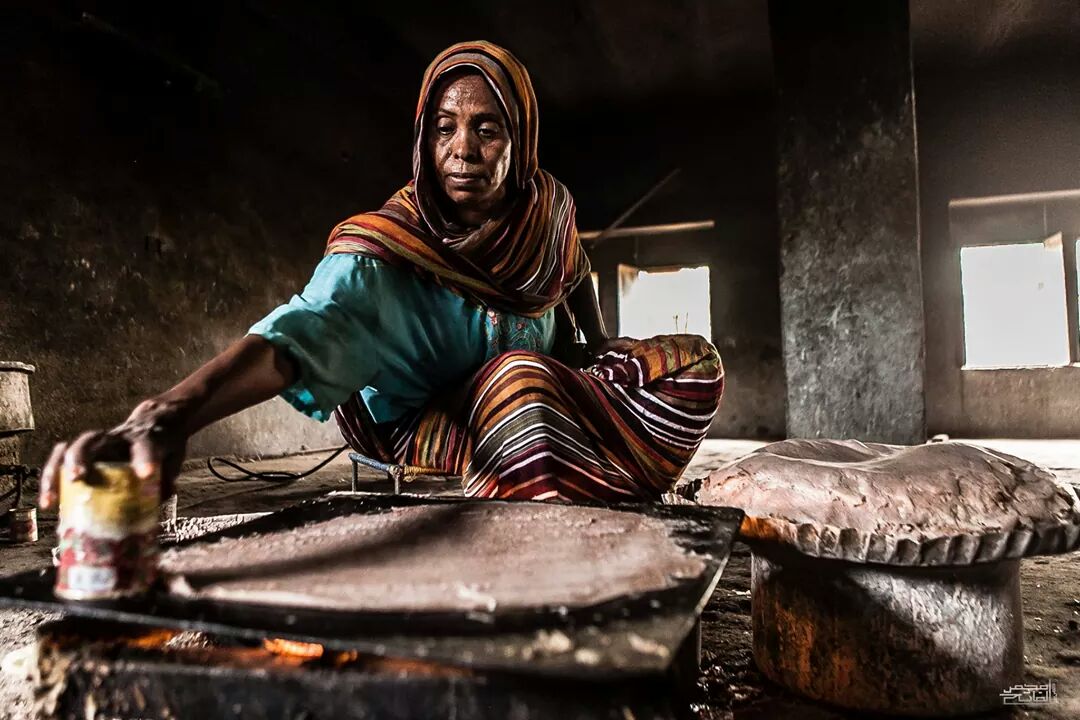 KisraVegan
🇸🇩 Sudan and 5 moreA thin, fermented sorghum flatbread from Sudan and neighboring countries
Bread
KisraVegan
🇸🇩 Sudan and 5 moreA thin, fermented sorghum flatbread from Sudan and neighboring countries
Bread
 PretzelVegetarian
🇩🇪 Germany and 4 moreA baked knot-shaped bread, often topped with salt or seeds
Bread, Snacks
PretzelVegetarian
🇩🇪 Germany and 4 moreA baked knot-shaped bread, often topped with salt or seeds
Bread, Snacks