
Margarita
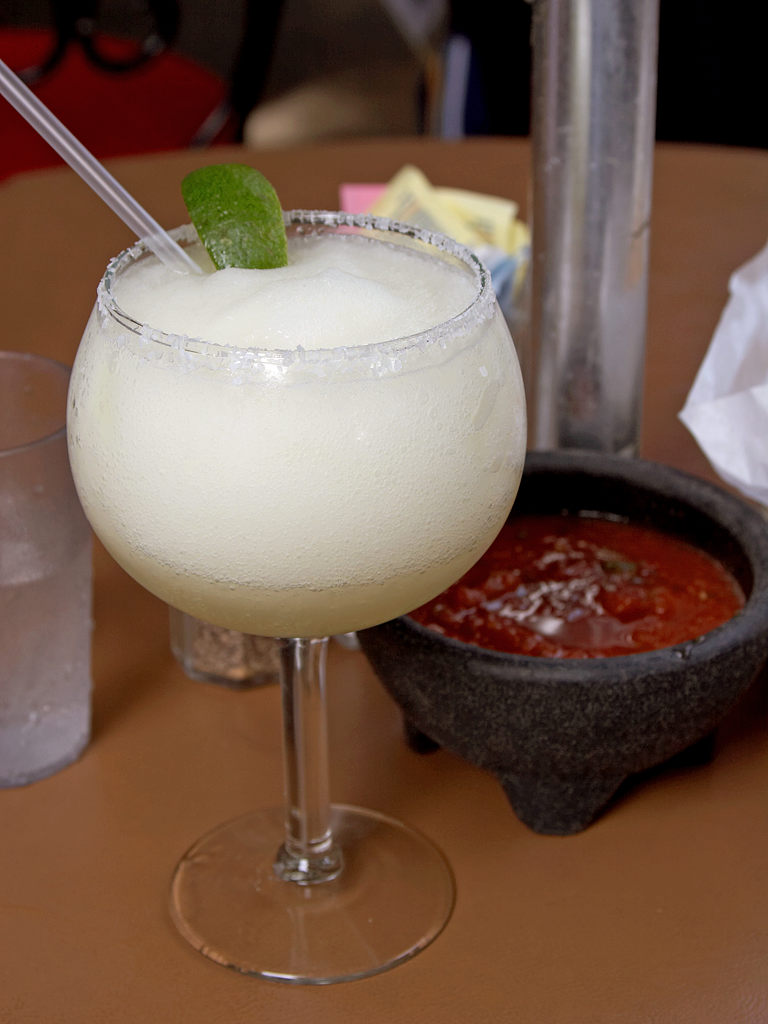
Tequila, orange liqueur and lime juice shaken and served in a salt-rimmed glass
The margarita is a cocktail from Mexico made with tequila, orange liqueur such as triple sec, and lime juice. It is served shaken with ice, straight up, or blended as a frozen drink, often in a special margarita glass with a salted rim. This drink is a staple in bars across Mexico and the United States, especially popular as a tequila-based cocktail.
- Classic margarita uses tequila, orange liqueur, and lime juice
- Often served in a salt-rimmed margarita glass
- Frozen margarita was first made in La Jolla in 1947
- The drink's origins are disputed, with several Mexican cities claiming it
- Margarita is the most popular tequila-based cocktail in the US
What is Margarita?
A margarita is a cocktail that combines tequila, orange liqueur (often triple sec or Cointreau), and freshly squeezed lime juice. It is typically served in a wide, shallow margarita glass with a rim dipped in salt or Tajín, a tangy chili-lime seasoning. The drink can be served over ice, straight up without ice, or blended into a frozen slush. The classic margarita is tart and citrusy, with the salt rim adding a savory note. Its color is usually pale green or yellow, depending on the lime and liqueur used.
Where does Margarita come from?
The true origin of the margarita is debated, with several stories placing its creation in Mexico during the 1930s and 1940s. Some accounts link it to the brandy daisy cocktail, which was adapted by swapping brandy for tequila. Early recipes similar to the margarita appeared in cocktail books from the 1930s. Claims of invention come from places like Tijuana, Ensenada, and Juárez, and from bartenders such as Carlos "Danny" Herrera and Francisco Morales. The name 'margarita' is Spanish for 'daisy', a family of cocktails with a spirit, liqueur, and citrus.
How is Margarita made?
To make a margarita, tequila, orange liqueur, and lime juice are shaken with ice and strained into a chilled glass. The rim of the glass is often moistened and dipped in salt or Tajín before pouring the drink. For a frozen margarita, the ingredients are blended with ice until slushy. The drink is usually garnished with a lime wedge. Variations may use different orange liqueurs, fruit purées, or even spicy ingredients like fresh chili peppers.


How and when is Margarita eaten?
Margaritas are enjoyed as a casual or celebratory drink, often served at bars, restaurants, and social gatherings. They are popular as an accompaniment to Mexican food or as a refreshing cocktail on a hot day. The drink is usually sipped slowly, and the salted rim is licked between sips to balance the tartness. Margaritas can be ordered in a variety of glasses, from the classic margarita glass to old fashioned or pint glasses in informal settings.
Kinds of Margarita
There are many types of margaritas. The frozen margarita is blended with ice for a slushy texture. Flavored versions include fruits like mango, strawberry, or watermelon, and spicy margaritas use chili peppers or bitters. The Cadillac Margarita uses Grand Marnier, while the beergarita adds beer. Skinny margaritas use less sugar or alternative sweeteners. Some recipes swap lime for lemon, or use fruit juices and even vegetables like cucumber or carrot.
What Margarita means
The margarita is a symbol of Mexican cocktail culture and is widely enjoyed in the United States. It was named Esquire magazine's "Drink of the Month" in 1953 and gained further fame through popular music and advertising. The drink's mix of sweet, sour, and salty flavors has made it a favorite at parties and bars. The margarita glass is iconic and even used for serving other foods like guacamole. Its popularity has led to many creative twists and dedicated machines for making frozen versions.
Questions people ask about Margarita
What is a margarita made of?
A margarita is made from tequila, orange liqueur such as triple sec or Cointreau, and freshly squeezed lime juice. The rim of the glass is often coated with salt or Tajín.
Where did the margarita come from?
The margarita comes from Mexico, with several cities like Tijuana, Ensenada, and Juárez claiming its invention. Its exact origin is uncertain, but it appeared in cocktail books in the 1930s.
How is a margarita usually served?
A margarita can be served over ice (on the rocks), straight up without ice, or blended with ice as a frozen drink. It is typically poured into a margarita glass with a salted rim.
Are there different types of margaritas?
Yes, there are many variations, including frozen margaritas, fruit-flavored versions, spicy margaritas with chili, and the Cadillac Margarita, which uses Grand Marnier. Beer can also be added for a beergarita.
Is a margarita vegan?
Yes, a classic margarita is vegan as it contains only tequila, orange liqueur, lime juice, and salt, with no animal products.
Good reading and sources
- Encyclopaedia BritannicaArticle
- The History of the MargaritaSmithsonian Magazine, Article
- Key lime: Handle with careLos Angeles Times, Article
- Status Quo: BritainThe Guardian, Article
The facts on this page come from the Wikipedia article "Margarita", written by its contributors and used under the CC BY-SA 4.0 licence, and from its Wikidata record (CC0). Thali rewrote the text in its own words, with AI assistance, and compares every page with the article to make sure no passage is copied. It may be reused under the same CC BY-SA 4.0 licence with a link back.
It may contain mistakes, and it is not dietary or allergy advice: recipes differ from cook to cook. If something is wrong, tell us. Last refreshed 2026-10-03.
More from Mexico
All the food of Mexico TequilaVegan
🇲🇽 MexicoMexican spirit distilled from blue agave in Jalisco and nearby regions
Drink
TequilaVegan
🇲🇽 MexicoMexican spirit distilled from blue agave in Jalisco and nearby regions
Drink
 Hot chocolate
🇲🇽 Mexico and 5 moreA warm drink made from chocolate or cocoa, milk or water, and sugar
Drink, Breakfast, Snacks
Hot chocolate
🇲🇽 Mexico and 5 moreA warm drink made from chocolate or cocoa, milk or water, and sugar
Drink, Breakfast, Snacks
 Mojito
🇨🇺 Cuba and 5 moreCuban cocktail of white rum, lime, mint, sugar and soda water over ice
Drink
Mojito
🇨🇺 Cuba and 5 moreCuban cocktail of white rum, lime, mint, sugar and soda water over ice
Drink
 Palm wineVegan
🇳🇬 Nigeria and 5 moreA lightly alcoholic drink made by fermenting the sap of palm trees
Drink
Palm wineVegan
🇳🇬 Nigeria and 5 moreA lightly alcoholic drink made by fermenting the sap of palm trees
Drink
Its cousins elsewhere
All drinks AyranVegetarian
🇹🇷 Turkey and 5 moreChilled yogurt drink mixed with water and salt, popular in Turkey and beyond
Drink, Breakfast, Lunch
AyranVegetarian
🇹🇷 Turkey and 5 moreChilled yogurt drink mixed with water and salt, popular in Turkey and beyond
Drink, Breakfast, Lunch
 Lei chaVegan擂茶
🇨🇳 China and 3 moreA Hakka tea-based drink or soup made with ground tea, nuts, seeds and grains
Drink
Lei chaVegan擂茶
🇨🇳 China and 3 moreA Hakka tea-based drink or soup made with ground tea, nuts, seeds and grains
Drink
 LassiVegetarian
🇮🇳 IndiaYogurt blended with water and spices, served chilled
Drink
LassiVegetarian
🇮🇳 IndiaYogurt blended with water and spices, served chilled
Drink
 Butter teaབོད་ཇ་
🇨🇳 China and 4 moreA hot Himalayan drink of tea, yak butter and salt, churned to a creamy texture
Drink, Breakfast, Snacks
Butter teaབོད་ཇ་
🇨🇳 China and 4 moreA hot Himalayan drink of tea, yak butter and salt, churned to a creamy texture
Drink, Breakfast, Snacks