
Lassi
Yogurt blended with water and spices, served chilled
Lassi is a chilled drink made by blending yogurt with water and spices. Originating in Punjab, India, it can be salty, sweet, or spiced, and is sometimes served in a clay cup. Lassi is enjoyed across India and has many variations, including versions with fruit or even cannabis during certain festivals.
- Made by blending yogurt with water and spices
- Originated in Punjab, India
- Served chilled, often in a clay cup
- Sweet, salty, spiced, and fruit versions exist
- Bhang lassi is made with cannabis for Holi festival
What is Lassi?
Lassi is a smooth, cold drink made by blending yogurt with water. It often includes spices such as cumin or cardamom, and can be served either salty or sweet. The drink is sometimes poured into a clay cup, which helps keep it cool. Lassi may also be flavored with fruits like mango or strawberry, or with rosewater and saffron for a sweet version. The texture is creamy and the taste ranges from tangy and salty to sweet and aromatic, depending on the variation.
Where does Lassi come from?
Lassi comes from Punjab, a region in northern India, where it has long been a popular refreshment. Traditionally, the yogurt used was made from water buffalo milk. The name 'lassi' entered English from Hindi in the late 19th century. Over time, the drink spread throughout India and beyond, becoming a familiar part of Indian cuisine. In some areas, lassi is linked to local customs and festivals, such as the use of bhang (cannabis) during Holi.
How is Lassi made?
To make lassi, yogurt is blended with water until smooth. For salty lassi, salt and spices like cumin are added. Sweet lassi uses sugar, cardamom, and sometimes rosewater or saffron. Spiced versions may include nuts, ginger, or green chilies. Fruit lassis blend in fresh fruit such as mango or strawberry. Bhang lassi, made for certain festivals, contains a cannabis extract. The drink is usually served chilled, often in a clay cup called a kulhar.


How and when is Lassi eaten?
Lassi is typically enjoyed as a refreshing drink, especially in hot weather. It is served cold, sometimes in a traditional clay cup. People drink it on its own or alongside meals. During the festival of Holi, bhang lassi is popular in some regions. The drink is found in homes, restaurants, and street stalls, and is suitable for everyday refreshment or special occasions.
Kinds of Lassi
There are several kinds of lassi. Salty lassi (namkin) includes salt, black pepper, and cumin. Sweet lassi (meethi) is flavored with sugar, cardamom, rosewater, or saffron. Spicy lassi (masalewal) may have almonds, ginger, green chilies, or pistachios. Fruit lassis use mango, strawberry, or other fruits. Bhang lassi, made with cannabis, is sold in licensed shops in places like Uttar Pradesh, especially during Holi.
What Lassi means
Lassi is a common drink in India, valued for its cooling effect. It is closely tied to Punjabi food culture and is also part of festival traditions, especially Holi, when bhang lassi is consumed. The use of clay cups adds a traditional touch. Lassi’s many forms reflect regional tastes and customs, making it a versatile and widely enjoyed beverage.
When Lassi is on the table
Questions people ask about Lassi
What is lassi made of?
Lassi is made by blending yogurt with water. Depending on the type, it may also include salt, spices like cumin or cardamom, sugar, or fruit.
Where does lassi come from?
Lassi originated in Punjab, a region in northern India, and is now enjoyed throughout the country.
Are there different types of lassi?
Yes, lassi can be salty, sweet, spiced, or made with fruit. There is also a special version called bhang lassi, which contains cannabis and is consumed during Holi.
How is lassi served?
Lassi is served chilled, often in a clay cup called a kulhar, which helps keep the drink cool.
Is lassi vegetarian?
Yes, lassi is vegetarian as it is made from yogurt and does not contain meat or fish.
Good reading and sources
The facts on this page come from the Wikipedia article "Lassi", written by its contributors and used under the CC BY-SA 4.0 licence, and from its Wikidata record (CC0). Thali rewrote the text in its own words, with AI assistance, and compares every page with the article to make sure no passage is copied. It may be reused under the same CC BY-SA 4.0 licence with a link back.
It may contain mistakes, and it is not dietary or allergy advice: recipes differ from cook to cook. If something is wrong, tell us. Last refreshed 2026-10-03.
More from India
All the food of India TeaVegan茶
🇨🇳 China and 5 moreA drink made by soaking tea leaves in hot or cold water
Drink
TeaVegan茶
🇨🇳 China and 5 moreA drink made by soaking tea leaves in hot or cold water
Drink
 Ice cream
🇺🇸 United States and 5 moreA frozen dessert made from sweetened, flavoured milk or cream
Sweet or dessert, Snacks
Ice cream
🇺🇸 United States and 5 moreA frozen dessert made from sweetened, flavoured milk or cream
Sweet or dessert, Snacks
 Palm wineVegan
🇳🇬 Nigeria and 5 moreA lightly alcoholic drink made by fermenting the sap of palm trees
Drink
Palm wineVegan
🇳🇬 Nigeria and 5 moreA lightly alcoholic drink made by fermenting the sap of palm trees
Drink
 KahwahVegan
🇮🇳 India and 2 moreA spiced green tea from Kashmir, often served with saffron and nuts
Drink
KahwahVegan
🇮🇳 India and 2 moreA spiced green tea from Kashmir, often served with saffron and nuts
Drink
Its cousins elsewhere
All drinks Hot chocolate
🇲🇽 Mexico and 5 moreA warm drink made from chocolate or cocoa, milk or water, and sugar
Drink, Breakfast, Snacks
Hot chocolate
🇲🇽 Mexico and 5 moreA warm drink made from chocolate or cocoa, milk or water, and sugar
Drink, Breakfast, Snacks
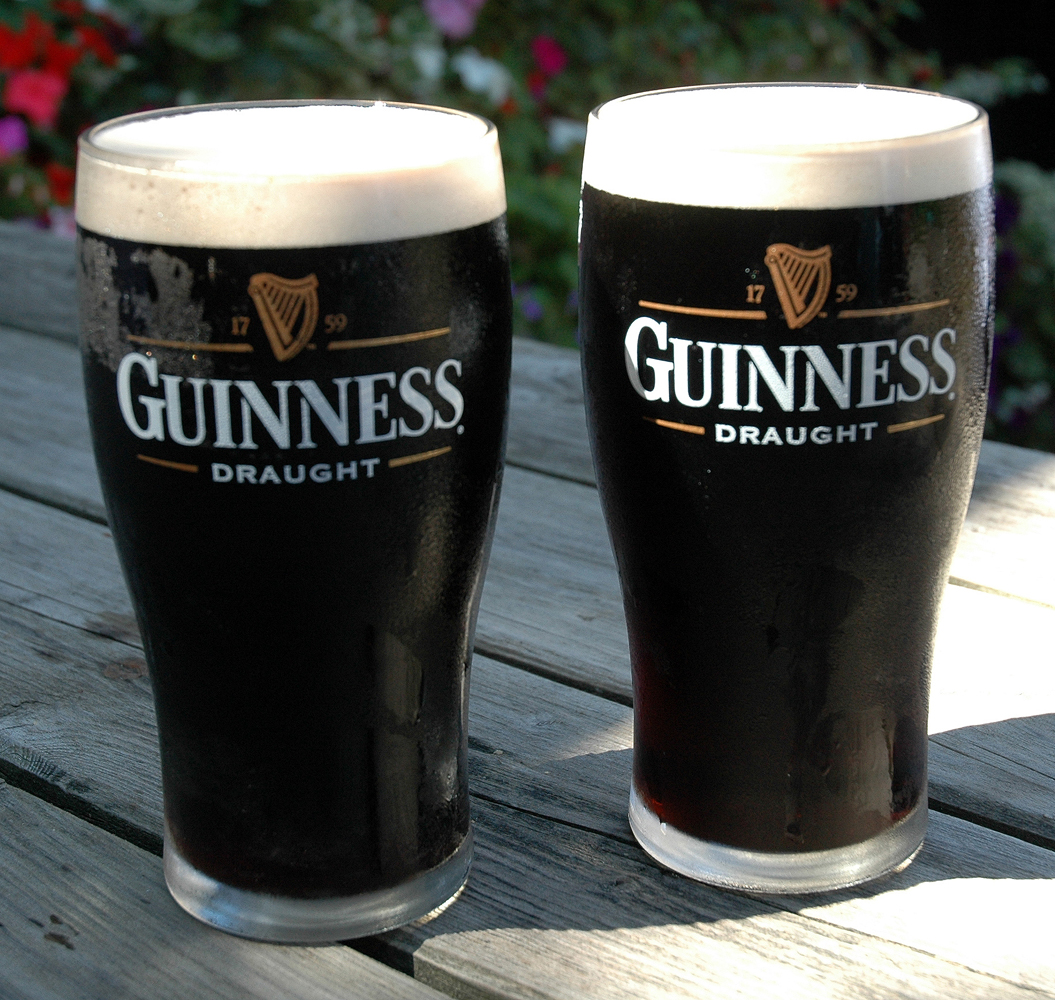 GuinnessVegan
🇮🇪 Ireland and 5 moreA dark Irish stout with a creamy head and dry, roasted flavour
Drink
GuinnessVegan
🇮🇪 Ireland and 5 moreA dark Irish stout with a creamy head and dry, roasted flavour
Drink
 OshikunduVegan
🇳🇦 NamibiaThick, fermented millet and sorghum drink from northern Namibia
Drink
OshikunduVegan
🇳🇦 NamibiaThick, fermented millet and sorghum drink from northern Namibia
Drink