
Butter tea
In its own language: བོད་ཇ་
A hot Himalayan drink of tea, yak butter and salt, churned to a creamy texture
Butter tea is a traditional drink from Tibet and the Himalayan region, made by churning strong tea with yak butter and salt. It is served hot, often in bowls, and is a daily staple as well as a drink for guests and ceremonies. Butter tea is especially valued in cold, high-altitude climates for its energy and warmth.
- Made by churning strong tea with yak butter and salt
- Drunk daily in Tibet and Himalayan regions
- Served hot in bowls, often to guests
- Used in religious and family ceremonies
- Sometimes made with cow’s butter instead of yak butter
What is Butter tea?
Butter tea is a hot drink made by mixing strong tea with yak butter and salt, then churning it until it becomes creamy and thick, almost like a light stew. Sometimes roasted barley flour (tsampa) is added. The drink is rich, slightly salty, and warming, with a smooth texture from the butter. It is usually served in bowls and is a daily part of life in Tibet and neighboring Himalayan regions. The taste is quite different from sweet teas, with a savory, nourishing quality that suits the cold mountain climate.
Where does Butter tea come from?
Tea first reached Tibet from China in the 7th century, but butter tea became widely popular in Tibet around the 13th century. According to legend, a Chinese princess married into Tibetan royalty, helping to open trade routes that brought tea to Tibet. Butter, a staple in Tibetan food, was later added to the tea. By the 8th century, tea drinking was common in Tibet, and by the 13th century, it was part of religious ceremonies. Today, butter tea remains a central drink in Tibetan and Himalayan cultures.
How is Butter tea made?
To make butter tea, strong tea is boiled for hours until it turns dark brown or nearly black. The tea is strained and poured into a churn or a cylinder with fresh yak butter and salt. The mixture is then churned or shaken vigorously until it becomes smooth and thick. In modern times, people may use tea bags and a blender instead of traditional churns. The finished tea is poured into pots or jars and kept warm, ready to be served in bowls. Cow’s butter is sometimes used instead of yak butter when yak butter is not available.


How and when is Butter tea eaten?
Butter tea is usually drunk in the morning and throughout the day, especially before work. It is always offered to guests, and etiquette calls for the host to refill the guest’s bowl after each sip, so the bowl is never empty. If a guest does not want more, they leave the bowl untouched until leaving, then finish it. Butter tea is also poured over tsampa or used to dip tsampa, making a filling meal. It is served at ceremonies, weddings, and religious gatherings, and is especially valued for its warmth and energy in cold weather.
Kinds of Butter tea
While yak butter is traditional, cow’s butter is often used today for its availability and lower cost. In different regions, the drink has local names and may include roasted barley flour (tsampa) or be served with puffed rice. In Xinjiang, it is called etken chay. Preparation methods vary: some use a wooden churn, others a blender or bowl. The basic idea—strong tea, butter, and salt—remains the same, but the details shift with local customs and ingredients.
What Butter tea means
Butter tea is deeply woven into daily life and ceremony in Tibet and the Himalayas. It is central to hospitality, always served to guests, and plays a role in religious and family events. Monasteries prepare large quantities for monks, especially during festivals like Losar, the Tibetan New Year. It is also part of celebrations for births and funerals. The drink’s high energy content is important for people living in high, cold regions. The way it is served and shared reflects local values of generosity and respect.
Questions people ask about Butter tea
What is butter tea made of?
Butter tea is made from strong tea leaves, yak butter, salt, water, and sometimes roasted barley flour called tsampa. Cow’s butter is sometimes used instead of yak butter.
Where does butter tea come from?
Butter tea comes from Tibet and is also common in Himalayan regions such as Bhutan, Nepal, parts of India, Pakistan, and western China.
How is butter tea prepared?
The tea is boiled for a long time until very strong, then mixed with butter and salt in a churn or blender until smooth and creamy. It is served hot in bowls.
When is butter tea usually drunk?
Butter tea is drunk throughout the day, especially in the morning before work, and is always served to guests. It is also part of ceremonies and festivals.
Is butter tea always made with yak butter?
Traditionally yak butter is used, but cow’s butter is now common because it is easier to find and less expensive.
Good reading and sources
The facts on this page come from the Wikipedia article "Butter tea", written by its contributors and used under the CC BY-SA 4.0 licence, and from its Wikidata record (CC0). Thali rewrote the text in its own words, with AI assistance, and compares every page with the article to make sure no passage is copied. It may be reused under the same CC BY-SA 4.0 licence with a link back.
It may contain mistakes, and it is not dietary or allergy advice: recipes differ from cook to cook. If something is wrong, tell us. Last refreshed 2026-10-03.
More from China
All the food of China TeaVegan茶
🇨🇳 China and 5 moreA drink made by soaking tea leaves in hot or cold water
Drink
TeaVegan茶
🇨🇳 China and 5 moreA drink made by soaking tea leaves in hot or cold water
Drink
 KumisКымыз
🇲🇳 Mongolia and 4 moreFermented mare's milk drink from the Central Asian steppe
Drink
KumisКымыз
🇲🇳 Mongolia and 4 moreFermented mare's milk drink from the Central Asian steppe
Drink
 Bubble tea珍珠奶茶
🇹🇼 Taiwan and 5 moreSweet tea with chewy tapioca pearls, served hot or cold
Drink
Bubble tea珍珠奶茶
🇹🇼 Taiwan and 5 moreSweet tea with chewy tapioca pearls, served hot or cold
Drink
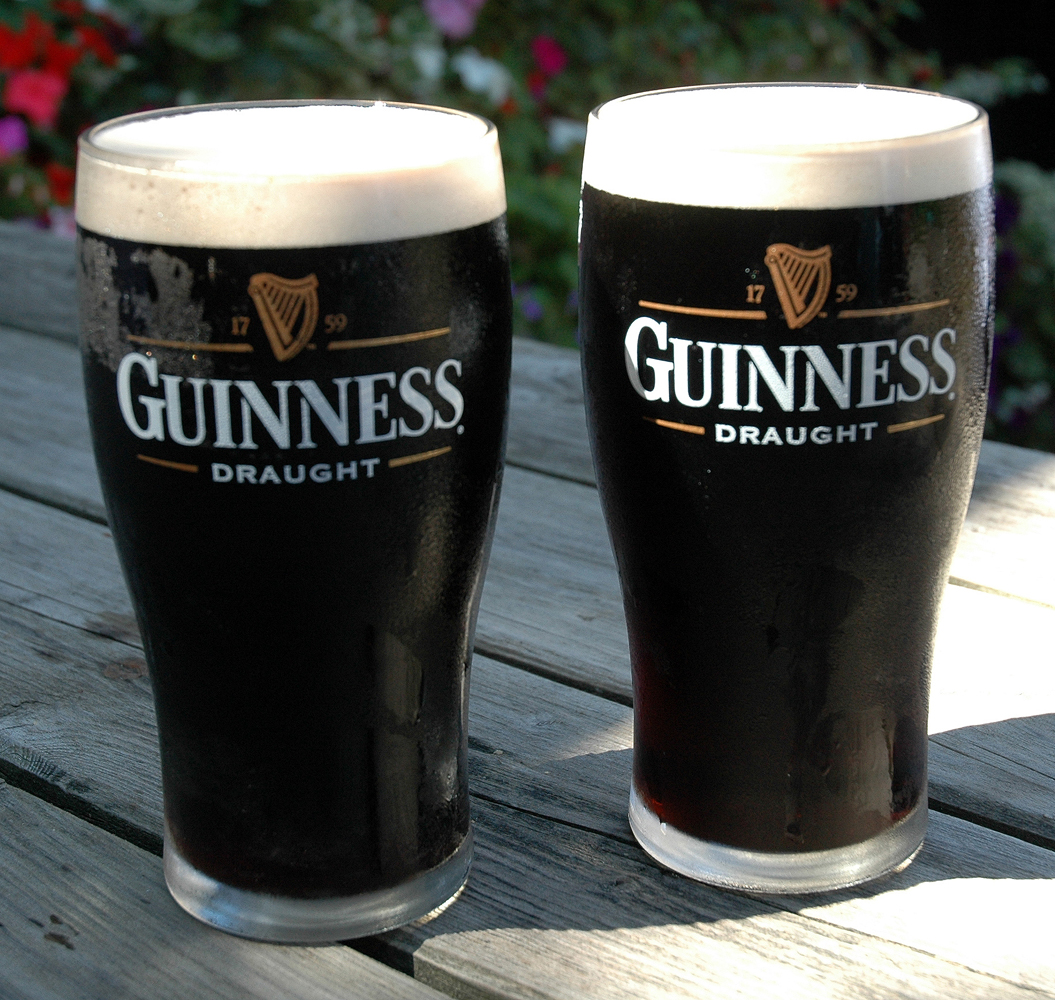 GuinnessVegan
🇮🇪 Ireland and 5 moreA dark Irish stout with a creamy head and dry, roasted flavour
Drink
GuinnessVegan
🇮🇪 Ireland and 5 moreA dark Irish stout with a creamy head and dry, roasted flavour
Drink
Its cousins elsewhere
All drinks Hot chocolate
🇲🇽 Mexico and 5 moreA warm drink made from chocolate or cocoa, milk or water, and sugar
Drink, Breakfast, Snacks
Hot chocolate
🇲🇽 Mexico and 5 moreA warm drink made from chocolate or cocoa, milk or water, and sugar
Drink, Breakfast, Snacks
 OshikunduVegan
🇳🇦 NamibiaThick, fermented millet and sorghum drink from northern Namibia
Drink
MbegeVegan
🇹🇿 TanzaniaMildly alcoholic banana and millet drink from Tanzania's Chagga people
Drink
OshikunduVegan
🇳🇦 NamibiaThick, fermented millet and sorghum drink from northern Namibia
Drink
MbegeVegan
🇹🇿 TanzaniaMildly alcoholic banana and millet drink from Tanzania's Chagga people
Drink
 Coffee ceremonyVeganቡና ማፍላት
🇪🇹 Ethiopia and 1 moreA social ritual of roasting, brewing and sharing coffee in Ethiopia and Eritrea
Drink
Coffee ceremonyVeganቡና ማፍላት
🇪🇹 Ethiopia and 1 moreA social ritual of roasting, brewing and sharing coffee in Ethiopia and Eritrea
Drink