
Miso soup
In its own language: 味噌汁
Japanese soup of miso paste and dashi stock, often with tofu and seaweed
Miso soup is a Japanese soup made by mixing miso paste into dashi, a stock often made from dried fish or kelp. It is a daily part of meals in Japan, commonly served with rice and side dishes, and can include tofu, seaweed, and vegetables chosen by season. The type of miso and added ingredients vary by region and taste.
- More than 80% of Japan's miso is used for miso soup
- Served daily with rice in Japanese homes
- Miso type (red, white, mixed) changes the soup's flavor
- Instant miso soup is popular in Japan and abroad
- Ingredients change with the seasons and region
What is Miso soup?
Miso soup is a staple of Japanese cooking, made by dissolving miso paste in dashi, a broth usually prepared from dried fish, kelp, or mushrooms. The soup often includes tofu, wakame seaweed, green onion (negi), and sometimes potatoes, mushrooms, or deep-fried tofu (abura-age). Its flavor depends on the type of miso used: white miso gives a light, sweet taste, while red miso brings a deeper, stronger flavor. The soup is usually clear with floating and sinking ingredients, offering a mix of textures and colors.
Where does Miso soup come from?
Miso soup has been eaten in Japan for centuries and is one of the two main types of soup in Japanese cuisine, along with clear soups. The choice of miso, which is a fermented soybean paste, shapes the soup’s flavor and varies by region. Red, white, and mixed miso are all used, and some places have their own local miso styles. The soup is so central to Japanese food that most of the country’s miso production goes into making it. In some areas, especially around Tokyo, it is called omiotsuke.
How is Miso soup made?
To make miso soup, dashi stock is prepared first, often using dried kelp, bonito flakes, or dried sardines. Vegetables and other additions like tofu or seaweed are simmered in the stock. Miso paste is stirred in at the end, just before serving, to keep its flavor and nutrients. The ingredients can change with the seasons or by region, and the soup is usually served hot in small bowls, sometimes with lids to keep in the aroma.


How and when is Miso soup eaten?
Miso soup is a regular part of Japanese meals, especially breakfast, and is served with rice and side dishes. It is drunk straight from the bowl, while the solid pieces are picked out with chopsticks. The soup is enjoyed by people of all ages and backgrounds, from everyday home meals to more formal settings. Instant versions are common in workplaces and homes for convenience.
Kinds of Miso soup
The ingredients in miso soup change with the seasons and by region. Hearty versions for cold weather may include potatoes, onions, and dark miso, while lighter soups for warmer months use cabbage or eggplant. If pork is added, the soup is called tonjiru. Outside Japan, miso soup may be made with Western-style stocks or extra vegetables, though this is debated as to whether it is still traditional.
What Miso soup means
Miso soup is deeply woven into Japanese daily life, with most people eating it at least once a day. It is part of the classic ichijū-sansai meal structure and symbolizes home cooking. Instant miso soup has made it easy to prepare anywhere. Studies in Japan have linked regular miso soup consumption to health benefits, such as lower risks of certain diseases and better gut health.
Questions people ask about Miso soup
What is miso soup made of?
Miso soup is made by mixing miso paste into dashi stock, which is often made from dried fish, kelp, or mushrooms. Common additions include tofu, wakame seaweed, green onion, potatoes, and mushrooms.
Where does miso soup come from?
Miso soup is from Japan and is a traditional part of Japanese cuisine. It has been eaten for centuries and is served daily in many Japanese households.
What does miso soup taste like?
The taste of miso soup depends on the type of miso used. White miso gives a lighter, sweeter flavor, while red miso makes the soup stronger and deeper. The soup is savory and can be mild or robust.
Is miso soup vegetarian?
Miso soup can be vegetarian if the dashi stock is made from kelp or shiitake mushrooms. However, traditional versions often use fish-based dashi, so the diet can vary.
How is miso soup eaten?
Miso soup is usually served hot in small bowls. People drink the broth directly from the bowl and use chopsticks to eat the solid ingredients like tofu or seaweed.
Good reading and sources
- BBC NEWS | HealthBBC, Article
- 5 Ways to Use Miso That Don't Involve SoupBon Appétit, Article
- 5-Ingredient Miso Soup Is the Easiest Thing You’ll Make at Home This MonthThe Kitchn, Article
The facts on this page come from the Wikipedia article "Miso soup", written by its contributors and used under the CC BY-SA 4.0 licence, and from its Wikidata record (CC0). Thali rewrote the text in its own words, with AI assistance, and compares every page with the article to make sure no passage is copied. It may be reused under the same CC BY-SA 4.0 licence with a link back.
It may contain mistakes, and it is not dietary or allergy advice: recipes differ from cook to cook. If something is wrong, tell us. Last refreshed 2026-10-03.
More from Japan
All the food of Japan RamenMeatラーメン
🇯🇵 Japan and 1 moreJapanese noodle soup with Chinese-style wheat noodles in hot broth
Soup, Lunch, Dinner
RamenMeatラーメン
🇯🇵 Japan and 1 moreJapanese noodle soup with Chinese-style wheat noodles in hot broth
Soup, Lunch, Dinner
 KabochaVeganカボチャ
🇯🇵 Japan and 5 moreA sweet, dense winter squash with edible skin, used in Japanese and Asian cooking
Main dish, Lunch, Dinner
KabochaVeganカボチャ
🇯🇵 Japan and 5 moreA sweet, dense winter squash with edible skin, used in Japanese and Asian cooking
Main dish, Lunch, Dinner
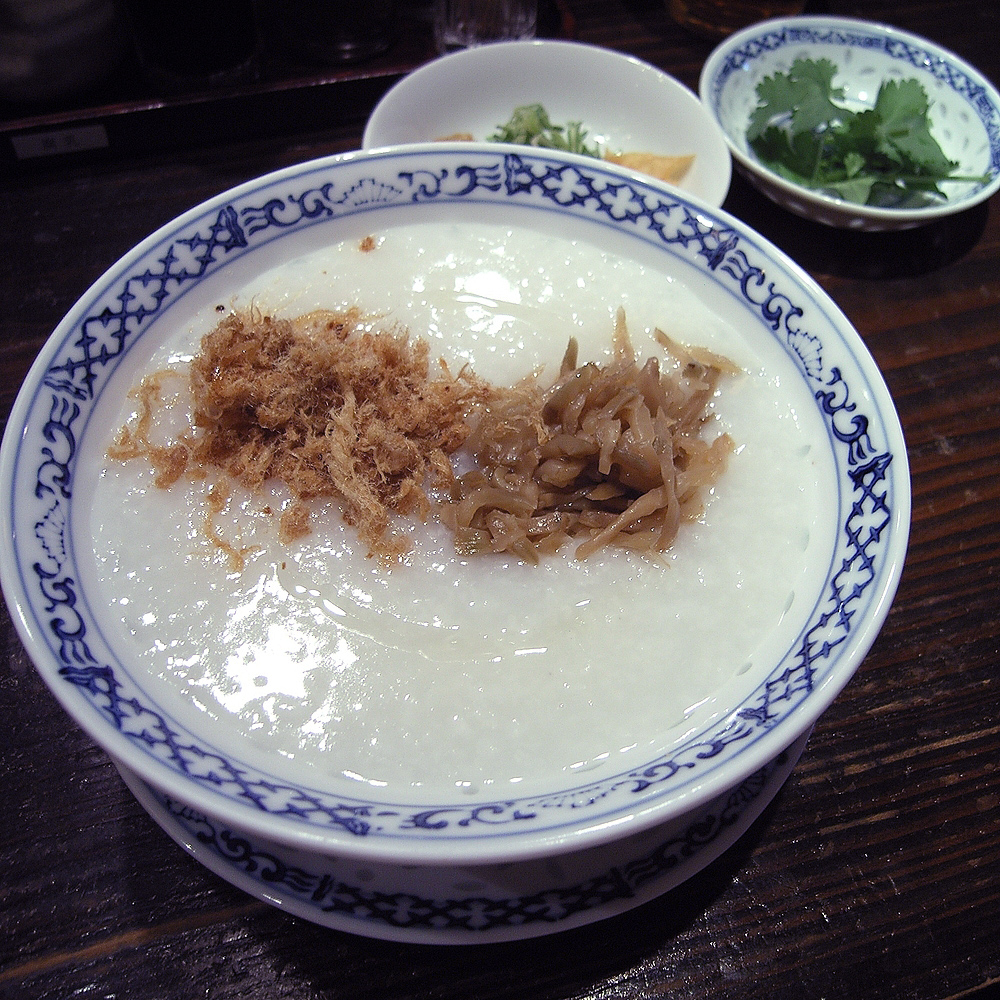 Congee粥
🇨🇳 China and 5 moreRice simmered in water to make a soft, comforting porridge
Main dish, Breakfast, Dinner
Congee粥
🇨🇳 China and 5 moreRice simmered in water to make a soft, comforting porridge
Main dish, Breakfast, Dinner
 Shabu-shabuしゃぶしゃぶ
🇯🇵 Japan and 4 moreJapanese hot pot where diners cook thin meat and vegetables at the table
Main dish, Dinner, Lunch
Shabu-shabuしゃぶしゃぶ
🇯🇵 Japan and 4 moreJapanese hot pot where diners cook thin meat and vegetables at the table
Main dish, Dinner, Lunch
Its cousins elsewhere
All soups Borscht
🇺🇦 Ukraine and 5 moreA sour soup of beetroot and vegetables, served hot or cold across Eastern Europe
Soup, Lunch, Dinner
Borscht
🇺🇦 Ukraine and 5 moreA sour soup of beetroot and vegetables, served hot or cold across Eastern Europe
Soup, Lunch, Dinner
 GoulashMeatgulyás
🇭🇺 Hungary and 5 moreA paprika-spiced meat and vegetable soup from Hungary
Soup, Lunch, Dinner
GoulashMeatgulyás
🇭🇺 Hungary and 5 moreA paprika-spiced meat and vegetable soup from Hungary
Soup, Lunch, Dinner
 Chicken soupMeat
🇺🇸 United States and 4 moreA hot soup of chicken simmered with vegetables, noodles or grains
Soup, Lunch, Dinner
Chicken soupMeat
🇺🇸 United States and 4 moreA hot soup of chicken simmered with vegetables, noodles or grains
Soup, Lunch, Dinner
 BouillabaisseFish or seafood
🇫🇷 FranceA Marseille fish stew with local seafood, herbs, and saffron broth
Stew or curry, Lunch, Dinner
BouillabaisseFish or seafood
🇫🇷 FranceA Marseille fish stew with local seafood, herbs, and saffron broth
Stew or curry, Lunch, Dinner