
Nam phrik
In its own language: น้ำพริก
Thai spicy chili paste pounded with garlic, shallot, and lime juice
Nam phrik is a family of spicy chili pastes from Thailand, made by pounding chilies, garlic, shallots, and lime juice, often with fish or shrimp paste. Served as a dip or condiment, it comes in many regional varieties and is eaten with vegetables, fish, or meat. Its texture ranges from liquid to paste or powder.
- Made by pounding chilies, garlic, and lime juice with fish or shrimp paste
- Served as a dip with vegetables, fish, or meat
- Texture ranges from liquid to paste or powder
- Over 100 varieties exist across Thailand
- Chilies were introduced to Thailand in the 16th century
What is Nam phrik?
Nam phrik is a group of spicy chili pastes or sauces from Thailand. Its main ingredients are chilies, garlic, shallots, and lime juice, often combined with fish or shrimp paste for depth of flavor. The mixture is traditionally pounded in a mortar and pestle. Nam phrik can be smooth and liquid, thick and paste-like, or even dry and powdery, depending on the type. It is usually served in small amounts as a dip or condiment alongside mild foods like boiled greens, fish, or meat.
Where does Nam phrik come from?
Nam phrik has deep roots in Thai cooking, with historical records dating back to at least the 17th century. Early Western visitors to Thailand described a spicy sauce made with fermented seafood, which matches the description of nam phrik. The dish became a staple of daily meals, and even Thai royalty have spoken of missing it while abroad. Chilies, a key ingredient, were introduced to Thailand from the Americas in the 16th century, replacing earlier spices used for heat.
How is Nam phrik made?
To make nam phrik, fresh or dried chilies are pounded together with garlic, shallots, and lime juice. Fish paste or shrimp paste is often added, and the mixture is seasoned with salt or fish sauce. The pounding is done using a mortar and pestle, which blends the flavors and creates the desired texture. Some versions include extra ingredients like tamarind, green mango, or local herbs. The consistency can be adjusted with water or by varying the pounding time.


How and when is Nam phrik eaten?
Nam phrik is typically served in small saucers as a dip or condiment. It accompanies dishes that are mild in flavor, such as raw or boiled vegetables, fish, poultry, or meats. People often eat it with rice and a selection of fresh or cooked greens. Each family or region may have its own preferred style and ingredients, making it a familiar part of everyday meals throughout Thailand.
Kinds of Nam phrik
There are many types of nam phrik, each with its own ingredients and regional ties. Nam phrik kapi uses fermented shrimp paste and is common in central Thailand. Nam phrik num, from the north, features roasted green chilies. Southern varieties may include smoked dried shrimp or anchovies. Some versions are sweetened, others include unusual ingredients like water bugs or frog. The diversity reflects local tastes and available produce.
What Nam phrik means
Nam phrik is considered central to Thai cuisine, with over a hundred varieties recorded. It is a daily food, valued for its bold flavors and adaptability to local ingredients. The dish is not tied to any particular festival or religious practice, but is a symbol of Thai home cooking and culinary heritage. Its preparation and sharing are part of everyday life across the country.
Questions people ask about Nam phrik
What is nam phrik made of?
Nam phrik is made by pounding chilies, garlic, shallots, and lime juice, often with fish or shrimp paste. Salt or fish sauce is added for seasoning, and some types include extra ingredients like tamarind or green mango.
Where does nam phrik come from?
Nam phrik comes from Thailand and is a traditional part of Thai cuisine. It has been described in historical records since at least the 17th century and is eaten throughout the country.
How is nam phrik eaten?
Nam phrik is served in small amounts as a dip or condiment, usually with mild foods such as boiled or raw vegetables, fish, poultry, or meats. It is often part of a meal with rice and other side dishes.
Are there different types of nam phrik?
Yes, there are many types of nam phrik, each with its own regional ingredients and flavors. Some use shrimp paste, others use smoked dried shrimp, anchovies, or even water bugs. The texture and taste can vary widely.
Is nam phrik always spicy?
Nam phrik is generally spicy because it is made with chilies, but the level of heat can vary depending on the type and the amount of chili used. Some versions may be milder or sweetened.
Good reading and sources
The facts on this page come from the Wikipedia article "Nam phrik", written by its contributors and used under the CC BY-SA 4.0 licence, and from its Wikidata record (CC0). Thali rewrote the text in its own words, with AI assistance, and compares every page with the article to make sure no passage is copied. It may be reused under the same CC BY-SA 4.0 licence with a link back.
It may contain mistakes, and it is not dietary or allergy advice: recipes differ from cook to cook. If something is wrong, tell us. Last refreshed 2026-10-03.
More from Thailand
All the food of Thailand TapiocaVegan
🇧🇷 Brazil and 5 moreStarch from cassava root, shaped into pearls, flakes, or powder
Sauce, pickle or ferment
TapiocaVegan
🇧🇷 Brazil and 5 moreStarch from cassava root, shaped into pearls, flakes, or powder
Sauce, pickle or ferment
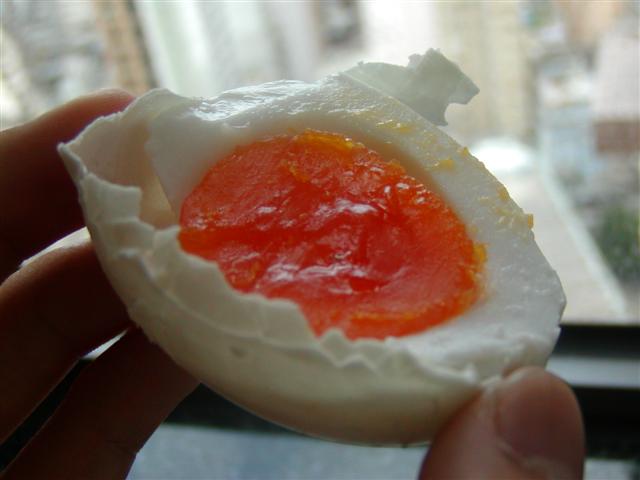 Salted duck egg
🇨🇳 China and 3 moreDuck eggs preserved in salt, prized for their rich, orange-red yolks
Sauce, pickle or ferment, Breakfast, Lunch
Salted duck egg
🇨🇳 China and 3 moreDuck eggs preserved in salt, prized for their rich, orange-red yolks
Sauce, pickle or ferment, Breakfast, Lunch
 LahpetVeganလက်ဖက်
🇲🇲 Myanmar and 1 moreFermented tea leaves served as a salad or ceremonial snack in Myanmar
Salad or side, Snacks, Lunch
TofuVegan豆腐
🇨🇳 China and 5 moreSoft white blocks made by curdling soy milk and pressing the curds
Main dish
LahpetVeganလက်ဖက်
🇲🇲 Myanmar and 1 moreFermented tea leaves served as a salad or ceremonial snack in Myanmar
Salad or side, Snacks, Lunch
TofuVegan豆腐
🇨🇳 China and 5 moreSoft white blocks made by curdling soy milk and pressing the curds
Main dish
Its cousins elsewhere
All sauces, pickles and ferments Pico de galloVegan
🇲🇽 MexicoChopped tomato, onion, chili and cilantro salad served as a fresh salsa
Salad or side
Pico de galloVegan
🇲🇽 MexicoChopped tomato, onion, chili and cilantro salad served as a fresh salsa
Salad or side
 GuacamoleVegan
🇲🇽 Mexico and 1 moreAvocado mashed with lime, salt, and herbs, served as a dip or spread
Sauce, pickle or ferment, Snacks, Lunch
GuacamoleVegan
🇲🇽 Mexico and 1 moreAvocado mashed with lime, salt, and herbs, served as a dip or spread
Sauce, pickle or ferment, Snacks, Lunch
 TzatzikiVegetarianτζατζίκι
🇬🇷 Greece and 5 moreStrained yogurt mixed with cucumber, garlic and herbs, served cold as a dip or sauce
Sauce, pickle or ferment, Lunch, Dinner
TzatzikiVegetarianτζατζίκι
🇬🇷 Greece and 5 moreStrained yogurt mixed with cucumber, garlic and herbs, served cold as a dip or sauce
Sauce, pickle or ferment, Lunch, Dinner
 Pickled cucumberVegan
🇺🇸 United States and 5 moreCucumbers preserved in brine or vinegar, enjoyed worldwide in many styles
Sauce, pickle or ferment, Lunch, Dinner
Pickled cucumberVegan
🇺🇸 United States and 5 moreCucumbers preserved in brine or vinegar, enjoyed worldwide in many styles
Sauce, pickle or ferment, Lunch, Dinner