
Tapioca
Starch from cassava root, shaped into pearls, flakes, or powder
Tapioca is a starch made from the root of the cassava plant, first used in Brazil and now common in many tropical regions. It is processed into forms like powder, pearls, and flakes, and is used in both sweet and savory foods, especially as a thickener or in desserts and drinks.
- Made from the root of the cassava plant
- First used by Indigenous peoples in Brazil
- Commonly found as powder, flakes, or pearls
- Used in bubble tea and many desserts
- Contains almost only carbohydrates
What is Tapioca?
Tapioca is a fine, white starch that comes from the root of the cassava shrub. It is sold as a powder, small round pearls, flakes, or sticks. When cooked, the pearls turn translucent and chewy, making them popular in drinks like bubble tea and in puddings. The starch itself has little flavor and is mostly used to add texture or to thicken foods. In its dried form, it is shelf-stable and easy to store.
Where does Tapioca come from?
The cassava plant, from which tapioca is made, grows well in tropical climates and poor soils. It was first cultivated by Indigenous peoples in Brazil, where the word 'tapioca' comes from the Tupi language, meaning a kind of sediment. Over time, the plant and its starch spread to Africa and Asia, becoming a staple in many countries. Today, Brazil, Thailand, and Nigeria are among the largest producers.
How is Tapioca made?
To make tapioca, cassava roots are peeled, ground into a wet pulp, and squeezed to remove liquid. The starch settles at the bottom, is collected, and then dried. This dried starch can be processed into various shapes, such as pearls or flakes. Before eating, pearls or flakes are soaked and cooked, which causes them to swell and become chewy. The process removes natural toxins found in raw cassava.


How and when is Tapioca eaten?
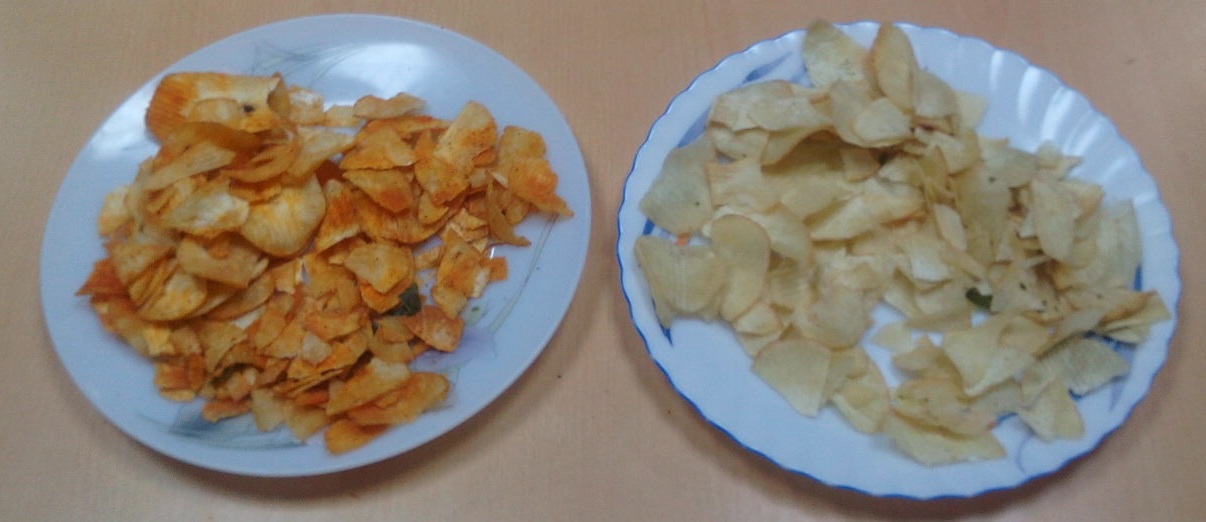
Tapioca is used in many ways. In Brazil and other tropical countries, it is a basic food, often used to make flatbreads or as a thickener in soups and stews. Around the world, the pearls are added to sweet drinks and desserts, such as bubble tea and puddings. Tapioca itself is bland, so it takes on the flavors of the foods or liquids it is cooked with.
Kinds of Tapioca
Tapioca comes in several forms: powder for thickening, flakes and sticks for baking or cooking, and pearls for desserts and drinks. Pearl sizes and colors vary, with some being dyed pastel or brown. In Venezuela and other parts of South America, a flatbread called casabe is made from cassava, showing another way the starch is used.
What Tapioca means
For millions in tropical regions, tapioca is a daily food, providing energy where other crops may not grow well. In Asia, the pearls are a key part of popular drinks and desserts. The production of tapioca is also important economically in countries like Thailand and Nigeria. However, its processing requires careful handling to avoid toxins and to manage environmental impacts.
Questions people ask about Tapioca
What is tapioca made from?
Tapioca is produced from the root of the cassava plant, which is grown in tropical regions. The root is processed to extract the starch, which is then dried and shaped into various forms.
Where does tapioca come from?
Tapioca was first made in Brazil, where the cassava plant is native. Today, it is produced in many tropical countries, including Thailand and Nigeria.
What does tapioca taste like?
Tapioca itself is nearly flavorless. It is valued for its chewy texture and ability to thicken foods, taking on the taste of whatever it is cooked with.
How is tapioca used in cooking?
Tapioca is used as a thickener in soups, stews, and desserts. The pearls are cooked in sweet drinks like bubble tea or in puddings, while the powder is used to give body to sauces and fillings.
Is tapioca suitable for vegan diets?
Yes, tapioca is vegan. It is made entirely from the cassava root and contains no animal products.
Good reading and sources
- Encyclopaedia BritannicaArticle
- Roots, tubers, plantains and bananas in human nutritionFAO, Article
- How tapioca came to TravancoreThe Hindu, Article
The facts on this page come from the Wikipedia article "Tapioca", written by its contributors and used under the CC BY-SA 4.0 licence, and from its Wikidata record (CC0). Thali rewrote the text in its own words, with AI assistance, and compares every page with the article to make sure no passage is copied. It may be reused under the same CC BY-SA 4.0 licence with a link back.
It may contain mistakes, and it is not dietary or allergy advice: recipes differ from cook to cook. If something is wrong, tell us. Last refreshed 2026-10-03.
More from Brazil
All the food of Brazil PestoVegetarian
🇮🇹 Italy and 2 moreA basil, pine nut and cheese paste from Genoa, used to dress pasta
Sauce, pickle or ferment
PestoVegetarian
🇮🇹 Italy and 2 moreA basil, pine nut and cheese paste from Genoa, used to dress pasta
Sauce, pickle or ferment
 ÉclairVegetarian
🇫🇷 France and 2 moreChoux pastry filled with cream and topped with icing
Pie or savoury pastry, Snacks, Tea time
ÉclairVegetarian
🇫🇷 France and 2 moreChoux pastry filled with cream and topped with icing
Pie or savoury pastry, Snacks, Tea time
 Churrochurros
🇪🇸 Spain and 5 moreRidged, deep-fried dough sticks often eaten hot with chocolate or coffee
Sweet or dessert, Breakfast, Snacks
Churrochurros
🇪🇸 Spain and 5 moreRidged, deep-fried dough sticks often eaten hot with chocolate or coffee
Sweet or dessert, Breakfast, Snacks
 Dulce de lecheVegetarian
🇦🇷 Argentina and 2 moreA sweet, spreadable milk and sugar confection from Latin America
Sweet or dessert, Snacks, Tea time
Dulce de lecheVegetarian
🇦🇷 Argentina and 2 moreA sweet, spreadable milk and sugar confection from Latin America
Sweet or dessert, Snacks, Tea time
Its cousins elsewhere
All sauces, pickles and ferments Chocolate
🇨🇮 Ivory Coast and 5 moreA sweet or bitter food made from processed cocoa beans, enjoyed in many forms worldwide
Sweet or dessert, Snacks
Chocolate
🇨🇮 Ivory Coast and 5 moreA sweet or bitter food made from processed cocoa beans, enjoyed in many forms worldwide
Sweet or dessert, Snacks
 KimchiVegan김치
🇰🇷 South Korea and 1 moreFermented and seasoned vegetables central to Korean meals
Sauce, pickle or ferment, Lunch, Dinner
CaviarFish or seafood
🇮🇷 Iran and 5 moreSalt-cured fish roe, most prized from sturgeon of the Caspian and Black Sea
Sauce, pickle or ferment, Snacks
Easter egg
🇷🇺 Russia and 5 moreEggs dyed or decorated for Easter, symbolizing resurrection and new life
Sweet or dessert, Breakfast, Snacks
KimchiVegan김치
🇰🇷 South Korea and 1 moreFermented and seasoned vegetables central to Korean meals
Sauce, pickle or ferment, Lunch, Dinner
CaviarFish or seafood
🇮🇷 Iran and 5 moreSalt-cured fish roe, most prized from sturgeon of the Caspian and Black Sea
Sauce, pickle or ferment, Snacks
Easter egg
🇷🇺 Russia and 5 moreEggs dyed or decorated for Easter, symbolizing resurrection and new life
Sweet or dessert, Breakfast, Snacks