
Num banhchok
In its own language: នំបញ្ចុក
Lightly fermented rice noodles served with fish-based sauces and fresh herbs
Num banhchok is a Cambodian dish of lightly fermented rice noodles, often eaten for breakfast or lunch. The noodles are topped with a sauce made from kroeung (herb paste), freshwater fish, prahok (fermented fish paste), and sometimes coconut milk, then garnished with fresh vegetables and herbs.
- Lightly fermented rice noodles are the base of the dish
- Usually served for breakfast with fish-based sauces
- Topped with fresh herbs and vegetables
- Many regional and festive variations exist
- Linked to a famous Khmer folk legend
What is Num banhchok?
Num banhchok is a dish of thin, lightly fermented rice noodles, typically served with a sauce made from freshwater fish, kroeung (a Cambodian spice and herb paste), and prahok, a pungent fermented fish paste. The sauce may also include coconut milk or cream, and is poured over the noodles. It is finished with a generous handful of fresh vegetables and herbs such as banana blossom, water mimosa, and basil. The noodles are soft and slightly tangy from fermentation, while the sauce is aromatic and savory.
Where does Num banhchok come from?
Num banhchok comes from Cambodia and is a staple of Khmer cuisine. Its name means 'to feed' in Khmer. According to a popular folk legend, the dish became famous when Thon Chey, a scholar exiled to China, introduced it there and even served it to the Chinese emperor. The story highlights its deep roots in Cambodian culture and its association with ingenuity and resilience. Over time, num banhchok has become an everyday food enjoyed across the country.
How is Num banhchok made?
To make num banhchok, rice is soaked, ground into a paste, and pressed into round shapes. The paste is dried in cloth bags, then pulverized and extruded into boiling water to form noodles. These are cooked briefly, then cooled in water. The noodles are served with a sauce made from kroeung (lemongrass, kaffir lime, garlic, turmeric, and fingerroot), freshwater fish, prahok, and sometimes coconut milk. The dish is topped with fresh herbs and vegetables.

How and when is Num banhchok eaten?
Num banhchok is most often eaten for breakfast, though it can also be a light lunch. It is served warm or at room temperature, with the noodles arranged in a bowl and the sauce ladled over the top. Diners add fresh herbs and vegetables to taste. In some regions, it is eaten cold, especially in Kampot. The dish is commonly found at street stalls and markets, making it a familiar part of daily life in Cambodia.
Kinds of Num banhchok
There are many regional versions of num banhchok. Num banhchok samlor proher uses a yellow or green kroeung base and coconut milk. Siem Reap’s version is thinner and may use fish sauce instead of prahok. Some types use red curry paste and meat instead of fish, while Kampot’s version is served cold with peanuts and dried shrimp. There are also royal and modern fusion versions, such as num banhchok pizza.
What Num banhchok means
Num banhchok holds a special place in Cambodian culture, symbolizing both everyday sustenance and national identity. It is featured in folklore and is a common sight at breakfast tables and markets. The dish is also part of Cham cuisine and has inspired creative adaptations. Its preparation and serving are linked to community and tradition, making it more than just a meal.
Questions people ask about Num banhchok
What is num banhchok made of?
Num banhchok is made from lightly fermented rice noodles, served with a sauce of kroeung (herb paste), freshwater fish, prahok (fermented fish paste), and sometimes coconut milk, topped with fresh herbs and vegetables.
Where does num banhchok come from?
Num banhchok is from Cambodia and is considered a staple of Khmer cuisine. It is eaten throughout the country and has deep cultural roots.
When is num banhchok usually eaten?
Num banhchok is most commonly eaten for breakfast, but it can also be served at lunch. It is a popular everyday food in Cambodia.
Are there different types of num banhchok?
Yes, there are many regional and festive variations, including versions with different herb pastes, coconut milk, or even meat instead of fish. Kampot’s version is served cold with peanuts and dried shrimp.
What does num banhchok taste like?
The noodles are soft and slightly tangy from fermentation, while the sauce is aromatic, savory, and often includes herbal and fish flavors, balanced by fresh vegetables.
Good reading and sources
The facts on this page come from the Wikipedia article "Num banhchok", written by its contributors and used under the CC BY-SA 4.0 licence, and from its Wikidata record (CC0). Thali rewrote the text in its own words, with AI assistance, and compares every page with the article to make sure no passage is copied. It may be reused under the same CC BY-SA 4.0 licence with a link back.
It may contain mistakes, and it is not dietary or allergy advice: recipes differ from cook to cook. If something is wrong, tell us. Last refreshed 2026-10-03.
More from Cambodia
All the food of Cambodia Hot pot火鍋
🇨🇳 China and 5 moreSimmering broth at the table for cooking meats, vegetables and more as you eat
Main dish, Dinner, Lunch
Hot pot火鍋
🇨🇳 China and 5 moreSimmering broth at the table for cooking meats, vegetables and more as you eat
Main dish, Dinner, Lunch
 Buddha Jumps Over the WallMeat佛跳牆
🇨🇳 China and 4 moreA lavish Fujian soup with seafood, meat and rare delicacies
Soup, Dinner
Buddha Jumps Over the WallMeat佛跳牆
🇨🇳 China and 4 moreA lavish Fujian soup with seafood, meat and rare delicacies
Soup, Dinner
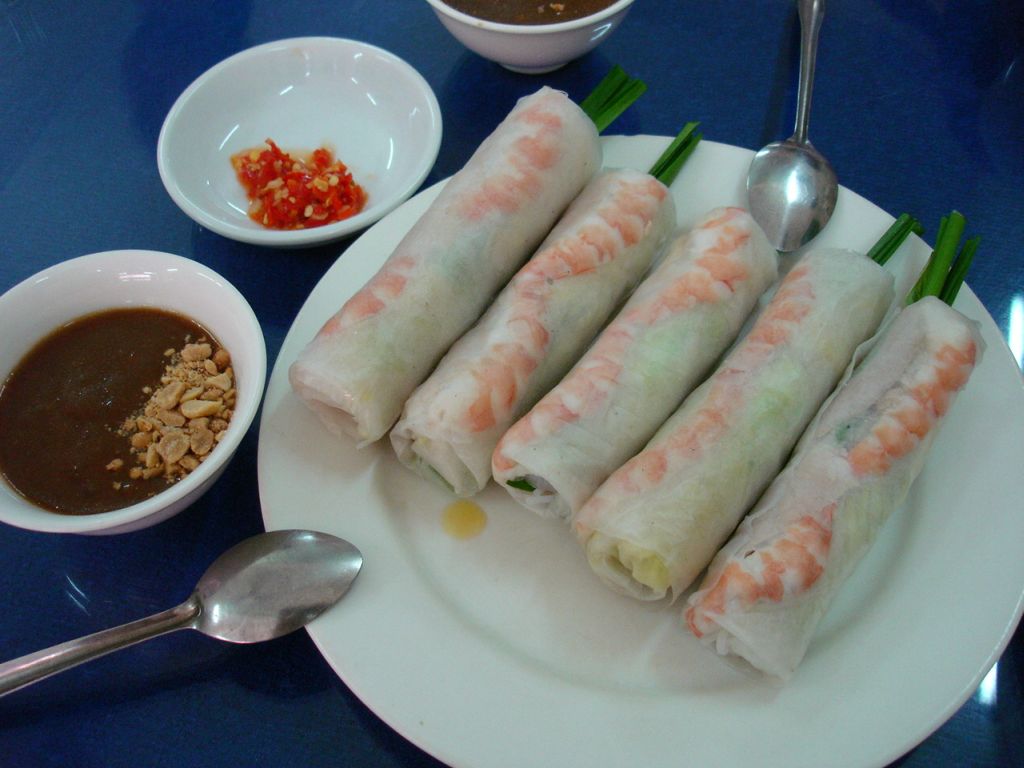 Gỏi cuốn
🇻🇳 Vietnam and 5 moreVietnamese rolls of pork, shrimp, noodles and herbs wrapped in rice paper
Main dish, Lunch, Dinner
Gỏi cuốn
🇻🇳 Vietnam and 5 moreVietnamese rolls of pork, shrimp, noodles and herbs wrapped in rice paper
Main dish, Lunch, Dinner
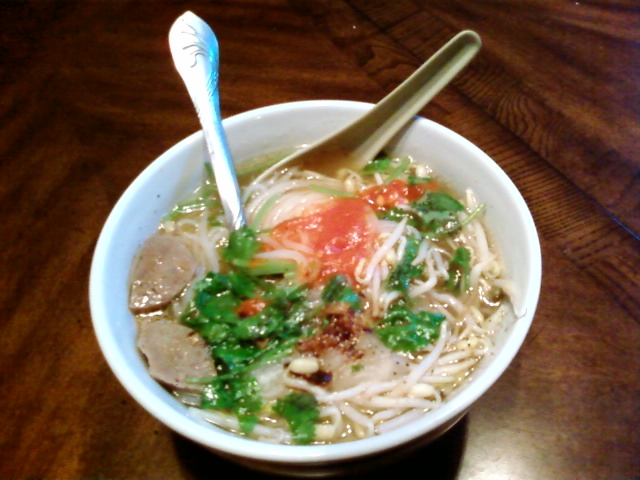 Kuy teavគុយទាវ
🇰🇭 CambodiaCambodian noodle soup with rice noodles, pork broth and fresh garnishes
Soup, Breakfast, Lunch
Kuy teavគុយទាវ
🇰🇭 CambodiaCambodian noodle soup with rice noodles, pork broth and fresh garnishes
Soup, Breakfast, Lunch
Its cousins elsewhere
All noodles and pasta Pasta
🇮🇹 Italy and 1 moreUnleavened dough shaped and cooked, a staple of Italian cuisine
Main dish, Lunch, Dinner
Pasta
🇮🇹 Italy and 1 moreUnleavened dough shaped and cooked, a staple of Italian cuisine
Main dish, Lunch, Dinner
 SpaghettiVegan
🇮🇹 Italy and 2 moreLong, thin pasta strands made from durum wheat and water
Noodle or pasta dish, Lunch, Dinner
SpaghettiVegan
🇮🇹 Italy and 2 moreLong, thin pasta strands made from durum wheat and water
Noodle or pasta dish, Lunch, Dinner
 RechtaMeatرشتة
🇩🇿 Algeria and 1 moreAlgerian handmade noodles served with chicken and vegetables in a spiced sauce
Main dish, Lunch, Dinner
RechtaMeatرشتة
🇩🇿 Algeria and 1 moreAlgerian handmade noodles served with chicken and vegetables in a spiced sauce
Main dish, Lunch, Dinner
 TortelliniMeat
🇮🇹 ItalySmall ring-shaped pasta parcels filled with seasoned meat and cheese
Main dish, Lunch, Dinner
TortelliniMeat
🇮🇹 ItalySmall ring-shaped pasta parcels filled with seasoned meat and cheese
Main dish, Lunch, Dinner