
Oshikundu
Thick, fermented millet and sorghum drink from northern Namibia
Oshikundu is a traditional Namibian drink made by fermenting millet and malted sorghum flour with water. Popular among the Aawambo people and in the Kavango Region, it is brown, thick, and nutritious, but must be consumed within hours of preparation. It is usually homemade and enjoyed daily, often in rural and northern areas.
- Made from fermented millet and malted sorghum flour
- Must be consumed within six hours after preparation
- Thick, brown, and nutritious traditional drink
- Common among Aawambo people and in northern Namibia
- Often served with porridge to boost nutrition
What is Oshikundu?
Oshikundu is a traditional drink from Namibia, especially common in the north and among the Aawambo people. It is made by fermenting millet flour (mahangu), bran, and malted sorghum flour with lukewarm water. The result is a thick, brown beverage with a rich, grainy texture. Oshikundu is known for being nutritious and filling, and it is often enjoyed as a daily drink in rural communities. Its flavor is shaped by the natural fermentation of the grains, giving it a slightly tangy taste.
Where does Oshikundu come from?
Oshikundu has deep roots in Namibian culture, particularly among the Aawambo people and in the Kavango Region. The method of making it has been passed down orally through generations, helping it remain a staple in local diets. It is closely tied to rural life and is especially associated with northern Namibia. The drink’s preparation and consumption are part of daily routines, and its continued presence reflects the importance of traditional knowledge and practices in Namibian communities.
How is Oshikundu made?
To make oshikundu, millet flour, bran, and malted sorghum flour are mixed with tepid water. This mixture is left to ferment at room temperature for several hours. Once fermentation is complete, the drink becomes thick and brown. Because it spoils quickly, oshikundu must be consumed within about six hours of being ready. It is usually made at home, but can also be found in open markets. Some research has explored making a dry mix with added bambara nut for easier preparation and improved nutrition.
How and when is Oshikundu eaten?
Oshikundu is typically enjoyed as a daily beverage, especially in rural and northern Namibian households. It is often served on its own or alongside porridge, which can make the meal more filling and nutritious when other foods are scarce. The drink is usually consumed soon after preparation because it does not keep for long. Oshikundu is widely available in open markets and is a familiar part of everyday life in the regions where it is popular.
Kinds of Oshikundu
While the basic method uses millet and sorghum, some variations have been developed. A study found that adding bambara nut to a dry mix of malted millet and sorghum can enhance its nutritional value. This approach allows for easier storage and preparation, but traditional oshikundu is still mostly made fresh at home or sold in local markets.
What Oshikundu means
Oshikundu is more than just a drink; it is part of the cultural fabric of northern Namibia. Its preparation and sharing are tied to community and daily routines, especially among the Aawambo people. The knowledge of how to make oshikundu is passed down through families, helping preserve local traditions. It is a symbol of rural life and is widely recognized in open markets and homes across the region.
Questions people ask about Oshikundu
What is oshikundu made of?
Oshikundu is made by fermenting millet flour, bran, and malted sorghum flour with lukewarm water. The mixture is left to ferment for several hours before drinking.
Where does oshikundu come from?
Oshikundu is a traditional drink from Namibia, especially popular in the north and among the Aawambo people and in the Kavango Region.
How is oshikundu served?
Oshikundu is usually served cold and should be consumed within six hours after it is ready. It is often enjoyed on its own or with porridge.
Is oshikundu nutritious?
Yes, oshikundu is considered nutritious due to its grain content. It is sometimes paired with porridge to provide a more filling and nourishing meal.
How long does oshikundu last after preparation?
Oshikundu has a short shelf life and must be consumed within about six hours after it is ready, as it spoils quickly.
Good reading and sources
The facts on this page come from the Wikipedia article "Oshikundu", written by its contributors and used under the CC BY-SA 4.0 licence, and from its Wikidata record (CC0). Thali rewrote the text in its own words, with AI assistance, and compares every page with the article to make sure no passage is copied. It may be reused under the same CC BY-SA 4.0 licence with a link back.
It may contain mistakes, and it is not dietary or allergy advice: recipes differ from cook to cook. If something is wrong, tell us. Last refreshed 2026-10-03.
More from Namibia
All the food of Namibia

Its cousins elsewhere
All drinks TeaVegan茶
🇨🇳 China and 5 moreA drink made by soaking tea leaves in hot or cold water
Drink
TeaVegan茶
🇨🇳 China and 5 moreA drink made by soaking tea leaves in hot or cold water
Drink
 VodkaVeganwódka
🇷🇺 Russia and 5 moreA clear spirit distilled from grains or potatoes, known for its neutral taste
Drink
VodkaVeganwódka
🇷🇺 Russia and 5 moreA clear spirit distilled from grains or potatoes, known for its neutral taste
Drink
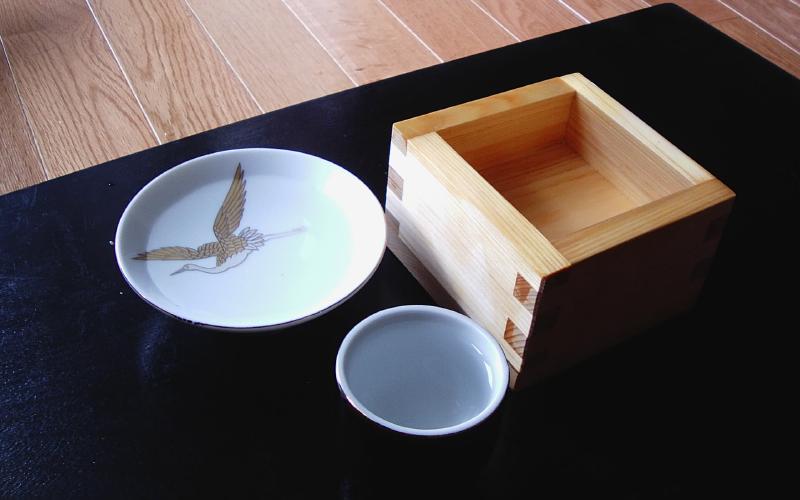 SakeVegan酒
🇯🇵 JapanJapanese alcoholic drink brewed from polished rice and kōji mold
Drink
SakeVegan酒
🇯🇵 JapanJapanese alcoholic drink brewed from polished rice and kōji mold
Drink
 KvassVeganквас
🇷🇺 Russia and 5 moreA tangy, slightly sweet fermented drink made from rye bread or flour
Drink
KvassVeganквас
🇷🇺 Russia and 5 moreA tangy, slightly sweet fermented drink made from rye bread or flour
Drink