Pad thai
In its own language: ผัดไทย
Stir-fried rice noodles with egg, tofu, shrimp and peanuts, a Thai street food classic
Pad thai is a stir-fried noodle dish from Thailand, often sold by street vendors. It combines rice noodles, egg, tofu, tamarind, peanuts, and usually shrimp, all cooked together in a wok and served hot with bean sprouts and lime. The dish is enjoyed as a main meal and is known for its mix of sweet, sour, salty and spicy flavors.
- Pad thai was created in Thailand in the 20th century
- It uses rice noodles, egg, tofu, tamarind, peanuts, and often shrimp
- The dish is stir-fried in a wok and served hot
- Lime wedges, bean sprouts, and peanuts are common toppings
- Pad thai is a signature street food in Thailand
What is Pad thai?
Pad thai is a noodle dish where flat rice noodles are stir-fried with egg, tofu, and often shrimp. The noodles are tossed in a sauce made from tamarind, fish sauce, and palm sugar, giving a balance of sweet, sour, and salty flavors. It is finished with bean sprouts, green onions, and a sprinkle of crushed peanuts. Lime wedges and sometimes chili flakes are served on the side. The result is a colorful plate with a mix of soft noodles, crunchy peanuts, and fresh vegetables.
Where does Pad thai come from?
Pad thai was created in Thailand in the mid-20th century. It was originally called kuai tiao pad thai, a name reflecting Chinese influence through the use of rice noodles. During World War II, the Thai government promoted noodle dishes to conserve rice, leading to the popularization of pad thai. Some sources suggest it was invented as a symbol of national identity, while others point to Thai Chinese immigrants as its creators. Today, it is recognized as a national dish of Thailand.
How is Pad thai made?
To make pad thai, rice noodles are soaked and then stir-fried in a hot wok with scrambled egg and chunks of firm tofu. Tamarind juice, fish sauce, palm sugar, and sometimes dried shrimp are added for flavor. Fresh or dried shrimp may be included. The dish is tossed with bean sprouts, green onions, and sometimes garlic chives or preserved radish. It is served hot, topped with crushed peanuts and accompanied by lime wedges and extra vegetables or chili flakes on the side.
How and when is Pad thai eaten?
Pad thai is commonly eaten as a main meal, especially for lunch or dinner. In Thailand, it is a popular street food, served from stalls and small restaurants. Diners often customize their plate with extra lime, chili, or peanuts. It is enjoyed both as a quick meal and in more formal settings. Vegetarian versions are available, using soy sauce instead of fish sauce and omitting shrimp.
Kinds of Pad thai
Pad thai can be made with different proteins, such as fresh shrimp, crab, squid, or other meats. Vegetarian versions replace fish sauce with soy sauce and leave out seafood. Some versions include extra vegetables like garlic chives, preserved radish, or banana flowers. Regional styles may use different types of noodles or adjust the balance of sweet, sour, and salty flavors.
What Pad thai means
Pad thai is considered a symbol of Thai cuisine and national pride. The Thai government has promoted it internationally as part of efforts to spread Thai food culture. It is regularly listed among the world's most popular dishes and is a staple offering in Thai restaurants worldwide. Its origins reflect both Chinese influence and modern Thai identity.
Questions people ask about Pad thai
What is pad thai made of?
Pad thai is made with rice noodles, egg, tofu, tamarind, fish sauce, palm sugar, peanuts, bean sprouts, and often shrimp. It is stir-fried and served hot, usually with lime and extra peanuts.
Where does pad thai come from?
Pad thai comes from Thailand. It was created in the mid-20th century and is now a national dish, especially popular as street food.
Is pad thai always made with meat?
Pad thai varies. It is often made with shrimp or other seafood, but vegetarian versions are common, using tofu and soy sauce instead of fish sauce and omitting seafood.
How is pad thai typically served?
Pad thai is served hot, topped with crushed peanuts and fresh vegetables like bean sprouts and green onions. Lime wedges and chili flakes are often provided on the side.
What makes pad thai different from other noodle dishes?
Pad thai stands out for its balance of sweet, sour, salty, and spicy flavors, achieved with tamarind, palm sugar, fish sauce, and chili, and for its use of rice noodles stir-fried with egg, tofu, and peanuts.
Good reading and sources
The facts on this page come from the Wikipedia article "Pad thai", written by its contributors and used under the CC BY-SA 4.0 licence, and from its Wikidata record (CC0). Thali rewrote the text in its own words, with AI assistance, and compares every page with the article to make sure no passage is copied. It may be reused under the same CC BY-SA 4.0 licence with a link back.
It may contain mistakes, and it is not dietary or allergy advice: recipes differ from cook to cook. If something is wrong, tell us. Last refreshed 2026-10-03.
More from Thailand
All the food of Thailand Roti canaiரொட்டி சென்னை
🇲🇾 Malaysia and 5 moreUnleavened flatbread tossed thin and cooked until crisp, served with curry or dal
Bread, Breakfast, Snacks
Roti canaiரொட்டி சென்னை
🇲🇾 Malaysia and 5 moreUnleavened flatbread tossed thin and cooked until crisp, served with curry or dal
Bread, Breakfast, Snacks
 KabochaVeganカボチャ
🇯🇵 Japan and 5 moreA sweet, dense winter squash with edible skin, used in Japanese and Asian cooking
Main dish, Lunch, Dinner
KabochaVeganカボチャ
🇯🇵 Japan and 5 moreA sweet, dense winter squash with edible skin, used in Japanese and Asian cooking
Main dish, Lunch, Dinner
 Thingyan riceFish or seafoodသင်္ကြန်ထမင်း
🇲🇲 Myanmar and 1 moreRice in scented water, served cold with fried dried fish for the Burmese New Year
Main dish, Lunch, Dinner
Thingyan riceFish or seafoodသင်္ကြန်ထမင်း
🇲🇲 Myanmar and 1 moreRice in scented water, served cold with fried dried fish for the Burmese New Year
Main dish, Lunch, Dinner
Its cousins elsewhere
All main dishes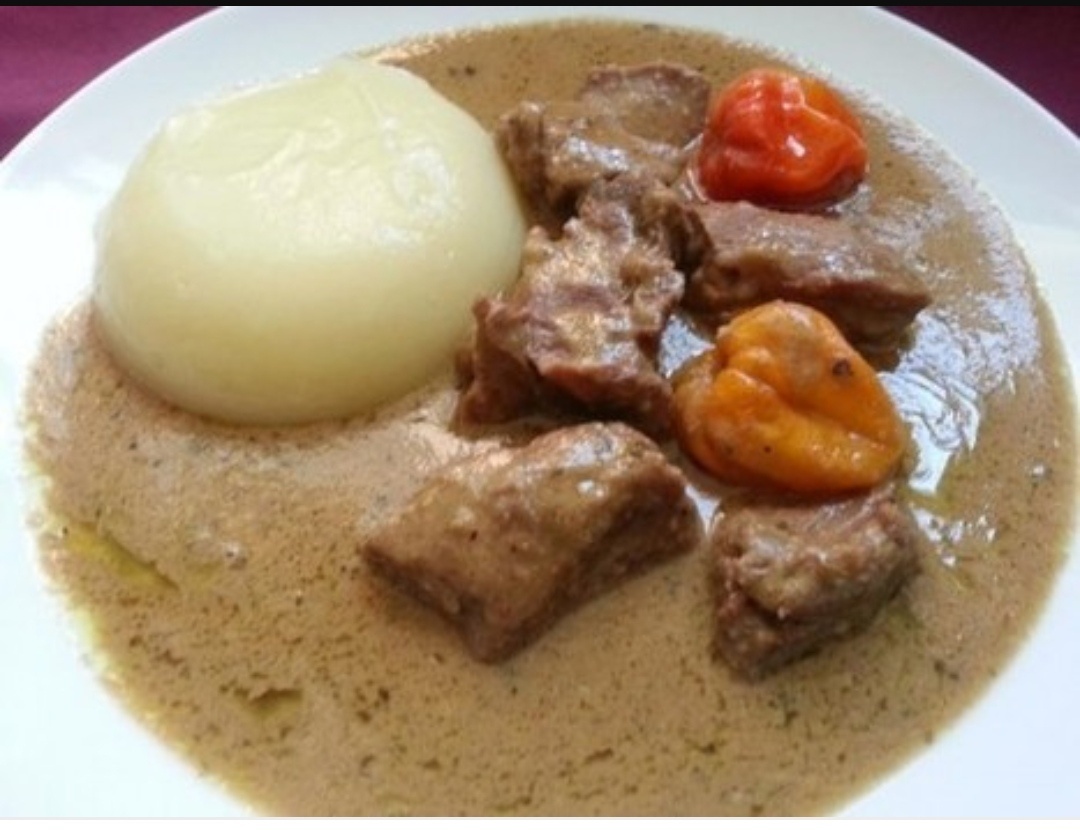 Peanut stew
🇸🇳 Senegal and 5 moreA rich West African stew of meat and vegetables in a spiced peanut sauce
Stew or curry, Lunch, Dinner
Peanut stew
🇸🇳 Senegal and 5 moreA rich West African stew of meat and vegetables in a spiced peanut sauce
Stew or curry, Lunch, Dinner
 ShakshukaVegetarian
🇹🇳 Tunisia and 5 moreEggs poached in a spiced tomato and pepper sauce from North Africa
Main dish, Breakfast, Dinner
ShakshukaVegetarian
🇹🇳 Tunisia and 5 moreEggs poached in a spiced tomato and pepper sauce from North Africa
Main dish, Breakfast, Dinner
 Salade niçoise
🇫🇷 France and 1 moreA French salad of tomatoes, eggs, olives and anchovies or tuna from Nice
Salad or side, Lunch, Dinner
Salade niçoise
🇫🇷 France and 1 moreA French salad of tomatoes, eggs, olives and anchovies or tuna from Nice
Salad or side, Lunch, Dinner
 Moqueca
🇧🇷 Brazil and 1 moreBrazilian seafood stew simmered with tomatoes, onions, lime and coriander
Stew or curry, Lunch, Dinner
Moqueca
🇧🇷 Brazil and 1 moreBrazilian seafood stew simmered with tomatoes, onions, lime and coriander
Stew or curry, Lunch, Dinner