
Parkin
Oat and ginger cake from northern England, sweetened with treacle or syrup
Parkin is a dense, spiced cake from northern England, especially Yorkshire and Lancashire. Made with oatmeal, flour, ginger, and black treacle or golden syrup, it is baked hard but softens and becomes sticky after a few days. Parkin is closely tied to autumn and winter celebrations and is most often homemade outside Yorkshire.
- Made with oatmeal, ginger, and treacle or syrup
- Becomes sticky after being stored for a few days
- Linked to Yorkshire and Lancashire traditions
- Hull parkin is drier and more biscuit-like
- Homemade outside Yorkshire, but sold in shops there
What is Parkin?
Parkin is a cake with a chewy, sometimes sticky crumb, flavored with ginger and sweetened by black treacle or golden syrup. Oatmeal gives it a hearty texture, while flour and fat (such as lard or butter) hold it together. The cake is usually baked firm, but after a few days stored in a tin, it becomes moist and sticky. Its color is dark from the treacle, and its taste is rich, with a gentle heat from the ginger and a deep sweetness.
Where does Parkin come from?
Parkin comes from northern England, where oats were more common than wheat among poorer households. The cake is especially linked to Yorkshire and Lancashire, with the earliest written mention found in Yorkshire in 1728. Its ancestor, tharf cake, was an unsweetened oat cake cooked on a griddle. As sugar and molasses became available in the 17th century, these sweeteners replaced honey in festive cakes, giving rise to parkin as a sweet treat. The recipe and name have shifted over centuries, reflecting local grains and customs.
How is Parkin made?
To make parkin, oatmeal and flour are mixed with ginger and a leavening agent. Black treacle (a thick, dark syrup) or golden syrup is used for sweetness and moisture, along with fat such as lard or butter. The mixture is baked until firm. After baking, it is stored for several days, which allows the cake to soften and develop its sticky texture. Some regions use more golden syrup, while others prefer treacle.


How and when is Parkin eaten?
Parkin is enjoyed as a snack or with tea, especially in the colder months. In Yorkshire, it is widely available in shops, but elsewhere it is mostly homemade. It is often linked to autumn and early winter festivities, and families may keep it in a tin to let it mature before eating. The cake is cut into squares or slices and eaten plain, sometimes as part of a celebration or simply as a comforting treat.
Kinds of Parkin
Yorkshire parkin is known for its use of black treacle and a moist, sticky finish. In Lancashire, golden syrup is more common, resulting in a lighter flavor. Hull and East Yorkshire versions are drier and closer to a biscuit in texture. The proportions of oatmeal and flour, as well as the choice of fat, can vary by household and region, leading to subtle differences in taste and texture.
What Parkin means
Parkin is part of the seasonal traditions in northern England, especially around bonfire celebrations and local holidays like Yorkshire Day. Its connection to the oat harvest and autumn festivals reflects older customs, when cakes were made to mark the changing seasons. The cake's association with local identity remains strong in Yorkshire, where it is still made commercially and celebrated as a regional specialty.
Questions people ask about Parkin
What is parkin made of?
Parkin is made from oatmeal, flour, ginger, and either black treacle or golden syrup. Fat such as lard or butter is also used, and brown sugar may be added for sweetness.
Where does parkin come from?
Parkin originated in northern England, especially Yorkshire and Lancashire, where oats were a staple grain. It has long been part of local food traditions there.
What does parkin taste like?
Parkin has a rich, sweet flavor from treacle or syrup, with a warming note from ginger. Its texture is dense and becomes sticky after a few days in storage.
How is parkin usually eaten?
It is eaten as a snack or with tea, often in the autumn and winter months. Parkin is cut into squares or slices and eaten plain, sometimes as part of seasonal festivities.
Are there different types of parkin?
Yes, Yorkshire parkin uses black treacle and is moist, while Lancashire versions use golden syrup. In Hull and East Yorkshire, parkin is drier and more like a biscuit.
Good reading and sources
The facts on this page come from the Wikipedia article "Parkin (cake)", written by its contributors and used under the CC BY-SA 4.0 licence, and from its Wikidata record (CC0). Thali rewrote the text in its own words, with AI assistance, and compares every page with the article to make sure no passage is copied. It may be reused under the same CC BY-SA 4.0 licence with a link back.
It may contain mistakes, and it is not dietary or allergy advice: recipes differ from cook to cook. If something is wrong, tell us. Last refreshed 2026-10-03.
More from the United Kingdom
All the food of the United Kingdom Ice cream
🇺🇸 United States and 5 moreA frozen dessert made from sweetened, flavoured milk or cream
Sweet or dessert, Snacks
Ice cream
🇺🇸 United States and 5 moreA frozen dessert made from sweetened, flavoured milk or cream
Sweet or dessert, Snacks
 Candy
🇺🇸 United States and 5 moreSmall sweet treats made mainly from sugar or sweeteners
Sweet or dessert, Snacks
Candy
🇺🇸 United States and 5 moreSmall sweet treats made mainly from sugar or sweeteners
Sweet or dessert, Snacks
 French toast
🇫🇷 France and 5 moreBread soaked in egg and milk, pan-fried and served sweet or savoury
Main dish, Breakfast, Snacks
French toast
🇫🇷 France and 5 moreBread soaked in egg and milk, pan-fried and served sweet or savoury
Main dish, Breakfast, Snacks
 Pancake
🇺🇸 United States and 5 moreFlat cakes made from batter, cooked on a griddle or pan and served sweet or savoury
Main dish, Breakfast, Snacks
Pancake
🇺🇸 United States and 5 moreFlat cakes made from batter, cooked on a griddle or pan and served sweet or savoury
Main dish, Breakfast, Snacks
Its cousins elsewhere
All sweets and desserts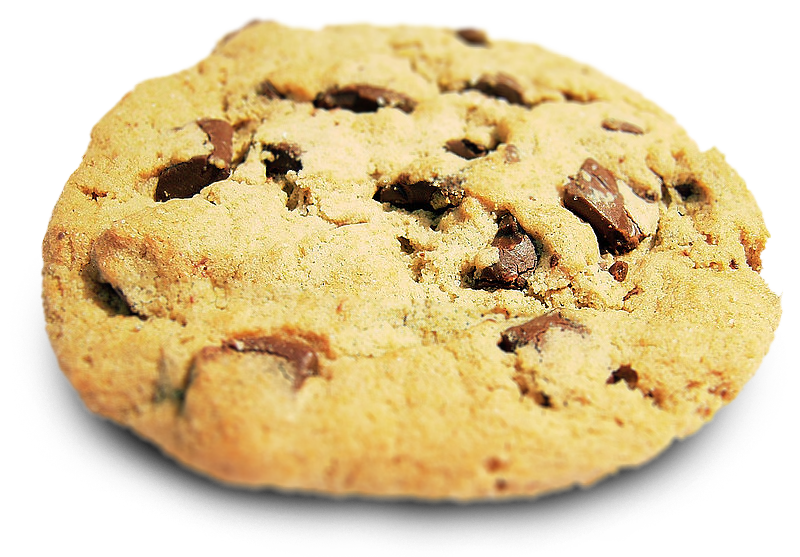 Chocolate chip cookie
🇺🇸 United StatesDrop cookie with pieces of chocolate mixed into the dough
Sweet or dessert, Snacks, Tea time
Chocolate chip cookie
🇺🇸 United StatesDrop cookie with pieces of chocolate mixed into the dough
Sweet or dessert, Snacks, Tea time
 Anzac biscuitVegetarian
🇦🇺 Australia and 1 moreOat biscuits from Australia and New Zealand, linked to World War I soldiers
Sweet or dessert, Snacks, Tea time
Anzac biscuitVegetarian
🇦🇺 Australia and 1 moreOat biscuits from Australia and New Zealand, linked to World War I soldiers
Sweet or dessert, Snacks, Tea time
 Pineapple bunVegetarian菠蘿包
🇭🇰 Hong Kong and 3 moreA sweet bun with a crunchy, golden cookie crust, popular in Hong Kong
Sweet or dessert, Breakfast, Tea time
Halvaحَلَاوَة
🇮🇷 Iran and 5 moreDense sweet made from seeds, grains, or vegetables, found across Asia, Africa, and Europe
Sweet or dessert, Snacks, Tea time
Pineapple bunVegetarian菠蘿包
🇭🇰 Hong Kong and 3 moreA sweet bun with a crunchy, golden cookie crust, popular in Hong Kong
Sweet or dessert, Breakfast, Tea time
Halvaحَلَاوَة
🇮🇷 Iran and 5 moreDense sweet made from seeds, grains, or vegetables, found across Asia, Africa, and Europe
Sweet or dessert, Snacks, Tea time