
Tempura
In its own language: 天ぷら
Seafood or vegetables coated in a light batter and deep-fried
Tempura is a Japanese dish of seafood or vegetables dipped in a cold, light batter and deep-fried until crisp. It began in 16th-century Nagasaki after Portuguese missionaries introduced the technique of frying foods in batter. Today, tempura is served hot, often with dipping sauce or atop rice or noodles, and is enjoyed across Japan and beyond.
- Tempura uses a cold, light batter for a crisp texture
- Portuguese missionaries introduced the frying technique in Nagasaki
- Commonly made with seafood or vegetables
- Often served with tentsuyu dipping sauce and grated daikon
- Kakiage is a mixed vegetable tempura fritter
What is Tempura?
Tempura is made by coating pieces of seafood or vegetables in a thin, cold batter and frying them quickly in hot oil. The batter, usually a mix of wheat flour, egg, and cold water, creates a delicate, crisp shell. The finished tempura is pale, light, and crunchy, letting the taste of the main ingredient come through. It is often served with a dipping sauce or a sprinkle of salt, and sometimes appears atop noodles or rice.
Where does Tempura come from?
Tempura traces its roots to 16th-century Nagasaki, where Portuguese missionaries brought the method of frying foods in batter. The name comes from the Latin 'tempora', referring to Catholic fasting days when meat was avoided. Early versions used a thicker, seasoned batter and lard for frying. Over time, especially in Tokyo, the style shifted to a lighter, unseasoned batter and vegetable oil, focusing on fresh seafood and vegetables. Tempura became a popular street food in the Edo period, eaten at outdoor stalls.
How is Tempura made?
To make tempura, seafood or vegetables are sliced and dipped in a batter made from cold water, egg, and soft wheat flour. The batter is mixed very briefly, often with chopsticks, to keep it lumpy and cold, which helps create a crisp texture. The pieces are then deep-fried in hot oil, traditionally sesame or tea seed oil, until they are just cooked and lightly golden. Batter bits left in the oil are removed between batches to keep the oil clean.


How and when is Tempura eaten?
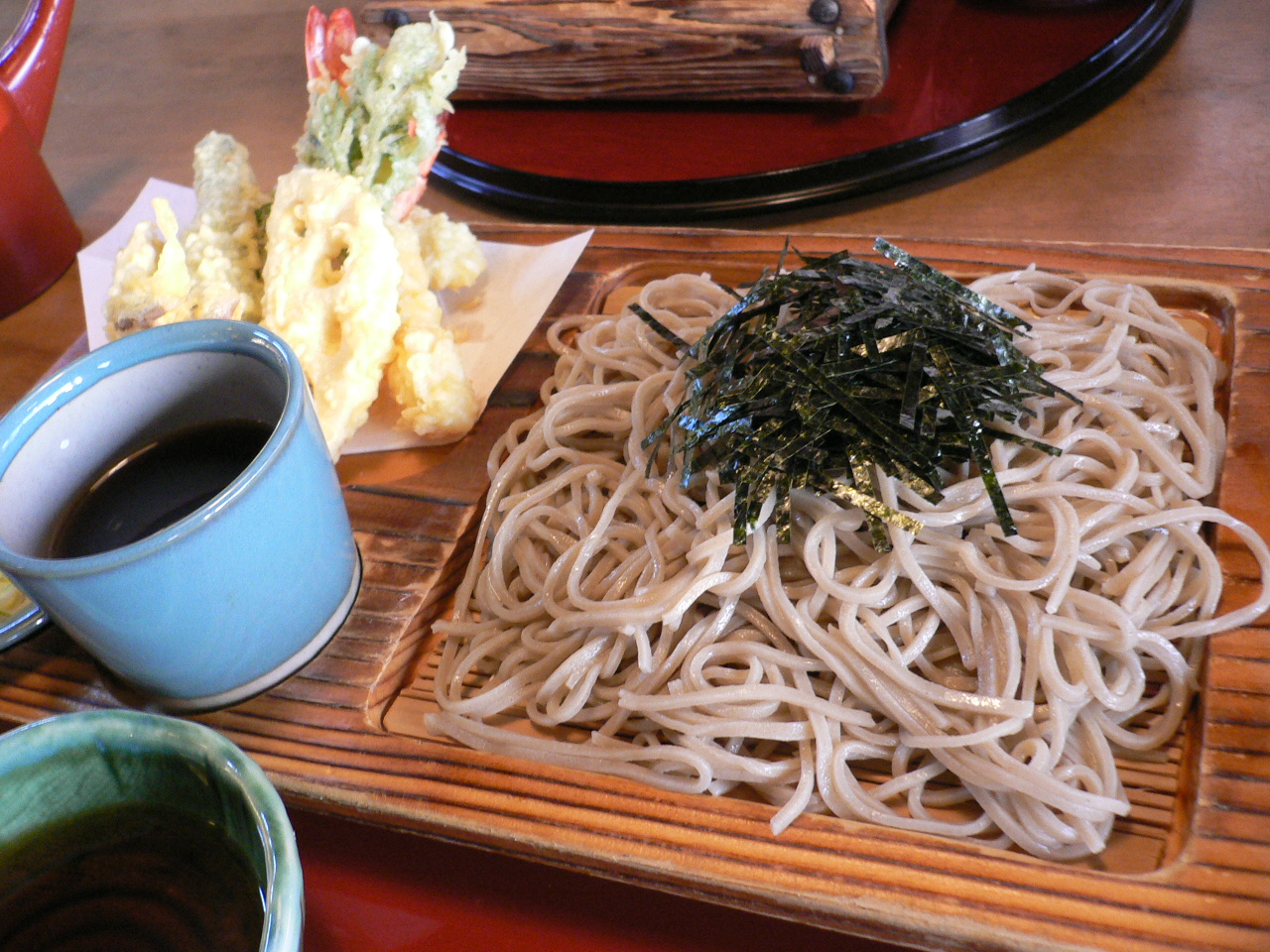
Tempura is usually eaten hot, right after frying, to enjoy its crispness. It is served with a dipping sauce called tentsuyu, made from dashi, mirin, and soy sauce, and often accompanied by grated daikon radish. Sometimes, tempura is sprinkled with salt or flavored salts. It can be a main dish, a topping for noodle soups like soba or udon, or served over rice as tendon. It appears in set meals, bento boxes, and at specialty restaurants.
Kinds of Tempura
In Japan, tempura varies by region and season, with different seafood and vegetables used. Kakiage is a fritter made from mixed vegetable strips, sometimes with shrimp or squid. Outside Japan, chefs use a wider range of ingredients, including broccoli, zucchini, and even ice cream. In Taiwan, tempura is found in Japanese restaurants, while a similar dish called tianbula refers to a type of fried fish cake.
What Tempura means
Tempura is considered one of the classic foods of Tokyo, alongside soba and sushi, and was once a popular street food. It is now served in both casual and high-end settings, from bento boxes to specialty restaurants. The dish reflects the influence of foreign cooking on Japanese cuisine and is recognized for its delicate preparation and seasonal ingredients.
Questions people ask about Tempura
What is tempura made of?
Tempura is made by coating seafood or vegetables in a batter of cold water, egg, and wheat flour, then deep-frying them in hot oil.
Where did tempura originate?
Tempura originated in Nagasaki, Japan, in the 16th century after Portuguese missionaries introduced the technique of frying foods in batter.
Is tempura always made with seafood?
No, tempura can be made with a variety of ingredients, including vegetables and sometimes egg. All-vegetable tempura is called yasai tempura.
How is tempura served?
Tempura is usually served hot, either with a dipping sauce called tentsuyu and grated daikon, or as a topping for rice or noodle dishes like tendon or tempura soba.
What makes tempura batter different from other fried foods?
Tempura batter is mixed briefly and kept cold, resulting in a light, crisp coating. It does not use breadcrumbs, unlike other Japanese fried foods such as furai.
Good reading and sources
The facts on this page come from the Wikipedia article "Tempura", written by its contributors and used under the CC BY-SA 4.0 licence, and from its Wikidata record (CC0). Thali rewrote the text in its own words, with AI assistance, and compares every page with the article to make sure no passage is copied. It may be reused under the same CC BY-SA 4.0 licence with a link back.
It may contain mistakes, and it is not dietary or allergy advice: recipes differ from cook to cook. If something is wrong, tell us. Last refreshed 2026-10-03.
More from Japan
All the food of Japan Pizza
🇮🇹 Italy and 4 moreFlatbread topped with tomato, cheese and baked at high heat
Main dish, Lunch, Dinner
Pizza
🇮🇹 Italy and 4 moreFlatbread topped with tomato, cheese and baked at high heat
Main dish, Lunch, Dinner
 Sushi寿司
🇯🇵 JapanVinegared rice paired with seafood, vegetables or other toppings
Main dish, Lunch, Dinner
TofuVegan豆腐
🇨🇳 China and 5 moreSoft white blocks made by curdling soy milk and pressing the curds
Main dish
Sushi寿司
🇯🇵 JapanVinegared rice paired with seafood, vegetables or other toppings
Main dish, Lunch, Dinner
TofuVegan豆腐
🇨🇳 China and 5 moreSoft white blocks made by curdling soy milk and pressing the curds
Main dish
 Sashimi刺身
🇯🇵 JapanThin slices of raw fish or meat, served with soy sauce and condiments
Main dish, Lunch, Dinner
Sashimi刺身
🇯🇵 JapanThin slices of raw fish or meat, served with soy sauce and condiments
Main dish, Lunch, Dinner
Its cousins elsewhere
All main dishes Pasta
🇮🇹 Italy and 1 moreUnleavened dough shaped and cooked, a staple of Italian cuisine
Main dish, Lunch, Dinner
Pasta
🇮🇹 Italy and 1 moreUnleavened dough shaped and cooked, a staple of Italian cuisine
Main dish, Lunch, Dinner
 AspicMeat
🇫🇷 France and 5 moreMeat or fish set in savoury gelatin, served cold as an appetizer or festive dish
Main dish, Lunch, Dinner
AspicMeat
🇫🇷 France and 5 moreMeat or fish set in savoury gelatin, served cold as an appetizer or festive dish
Main dish, Lunch, Dinner
 Empanada
🇪🇸 Spain and 5 morePastry turnovers filled with meat, cheese, or vegetables, baked or fried
Pie or savoury pastry, Lunch, Dinner
Empanada
🇪🇸 Spain and 5 morePastry turnovers filled with meat, cheese, or vegetables, baked or fried
Pie or savoury pastry, Lunch, Dinner
 Quiche
🇫🇷 FranceFrench tart with a savoury custard filling in a pastry case
Pie or savoury pastry
Quiche
🇫🇷 FranceFrench tart with a savoury custard filling in a pastry case
Pie or savoury pastry