
Pašticada
Braised beef in sweet-sour sauce from Dalmatia, often served at celebrations
Pašticada is a slow-cooked beef dish from Dalmatia, Croatia, known for its sweet and sour sauce. The beef is marinated, stuffed with aromatics and bacon, then braised with wine, prunes, and vegetables. Traditionally served at gatherings and festive occasions, it is often paired with gnocchi or homemade pasta.
- Beef is marinated overnight and stuffed with aromatics and bacon
- Cooked slowly in a sweet and sour sauce with wine and prunes
- Traditional dish for festivities and gatherings in Dalmatia
- Usually served with gnocchi or homemade pasta
- Earliest known recipe dates to 15th-century Dubrovnik
What is Pašticada?
Pašticada is a beef dish from Croatia’s Dalmatian coast, made by braising beef in a sauce that balances sweet and sour flavors. The meat, often a whole eye of round, is pierced and filled with garlic, cloves, carrot, celery, and bacon. After marinating in wine vinegar, it is cooked slowly with onions, prunes, wine, and stock. The sauce becomes rich and aromatic, and the meat is sliced thick and simmered again in the sauce. The finished dish is usually served with gnocchi or homemade pasta.
Where does Pašticada come from?
The roots of pašticada are debated. Some believe it was introduced to Dalmatia during the Napoleonic era, when the region was under French rule. Others see links to Italian cooking, especially the Veronese 'pastissáda de cavál', and note that both Dalmatia and Corfu (where a similar dish exists) were once ruled by Venice. The first known recipe for Dalmatian pašticada dates to the fifteenth century in Dubrovnik.
How is Pašticada made?
To make pašticada, a whole piece of beef is pierced and stuffed with aromatics like garlic, cloves, carrot, celery, and bacon. The meat is left to marinate overnight in wine vinegar, which helps tenderize it and add flavor. It is then seared and gently simmered with onions, parsley root, prunes, wine, and broth or stock, as well as a sweet local wine called prošek. After several hours, the meat is sliced and simmered further in the sauce until tender.

How and when is Pašticada eaten?
Pašticada is served at festive gatherings, weddings, and special occasions in Dalmatia. It is typically eaten as a main course for lunch or dinner. The dish is most often accompanied by gnocchi or homemade pasta, which soak up the flavorful sauce. It is a centerpiece at celebratory meals, bringing families and friends together.
Kinds of Pašticada
While the classic version uses beef and a sweet-sour sauce, there are regional and family variations in the choice of aromatics, the type of wine, and the side dishes. Some cooks add or substitute ingredients in the stuffing or sauce. A similar dish, called 'pastitsada', is found on the Greek island of Corfu, reflecting historical ties and culinary exchanges in the region.
What Pašticada means
Pašticada holds a special place in Dalmatian culture, marking important events and celebrations. Its preparation is seen as a labor of love, often passed down through generations. The dish’s history connects it to broader Mediterranean influences, and its presence at weddings and festivals makes it a symbol of hospitality and tradition in Croatian life.
Questions people ask about Pašticada
What is pašticada made of?
Pašticada is made from beef, usually eye of round, stuffed with garlic, cloves, carrot, celery, and bacon. It is marinated in wine vinegar and braised with onions, prunes, wine, broth, and sweet prošek wine.
Where does pašticada come from?
Pašticada comes from Dalmatia, a coastal region in Croatia. It is especially popular in cities like Dubrovnik and is a key part of Dalmatian festive cooking.
How is pašticada served?
Pašticada is typically sliced and served with its sauce, accompanied by gnocchi or homemade pasta. It is a main course at lunch or dinner, especially during celebrations.
Is pašticada eaten on special occasions?
Yes, pašticada is closely associated with festivities, weddings, and gatherings in Dalmatia. Its elaborate preparation makes it a dish for special events.
What does pašticada taste like?
Pašticada has a rich, aromatic flavor with a balance of sweet and sour notes from the wine, prunes, and vinegar. The beef is tender and infused with the flavors of the stuffing and sauce.
Good reading and sources
The facts on this page come from the Wikipedia article "Pašticada", written by its contributors and used under the CC BY-SA 4.0 licence, and from its Wikidata record (CC0). Thali rewrote the text in its own words, with AI assistance, and compares every page with the article to make sure no passage is copied. It may be reused under the same CC BY-SA 4.0 licence with a link back.
It may contain mistakes, and it is not dietary or allergy advice: recipes differ from cook to cook. If something is wrong, tell us. Last refreshed 2026-10-03.
More from Croatia
All the food of Croatia GoulashMeatgulyás
🇭🇺 Hungary and 5 moreA paprika-spiced meat and vegetable soup from Hungary
Soup, Lunch, Dinner
GoulashMeatgulyás
🇭🇺 Hungary and 5 moreA paprika-spiced meat and vegetable soup from Hungary
Soup, Lunch, Dinner
 PolentaVegan
🇮🇹 Italy and 5 moreBoiled cornmeal porridge from northern Italy, served soft or set and sliced
Main dish
PolentaVegan
🇮🇹 Italy and 5 moreBoiled cornmeal porridge from northern Italy, served soft or set and sliced
Main dish
 Pâté
🇫🇷 France and 5 moreA smooth or coarse spread made from minced meat, liver, or vegetables
Sauce, pickle or ferment
Pâté
🇫🇷 France and 5 moreA smooth or coarse spread made from minced meat, liver, or vegetables
Sauce, pickle or ferment
 ĆevapiMeatћевапи
🇧🇦 Bosnia and Herzegovina and 5 moreGrilled minced meat rolls served with flatbread and onions in Southeast Europe
Main dish, Lunch, Dinner
ĆevapiMeatћевапи
🇧🇦 Bosnia and Herzegovina and 5 moreGrilled minced meat rolls served with flatbread and onions in Southeast Europe
Main dish, Lunch, Dinner
Its cousins elsewhere
All main dishes LaghmanMeatلەغمەن
🇨🇳 China and 5 moreHand-pulled noodles with meat and vegetables in a savoury broth
Noodle or pasta dish, Lunch, Dinner
LaghmanMeatلەغمەن
🇨🇳 China and 5 moreHand-pulled noodles with meat and vegetables in a savoury broth
Noodle or pasta dish, Lunch, Dinner
 Pilaf
🇺🇿 Uzbekistan and 5 moreRice cooked in stock with spices, meat or vegetables, with each grain kept separate
Main dish, Lunch, Dinner
Pilaf
🇺🇿 Uzbekistan and 5 moreRice cooked in stock with spices, meat or vegetables, with each grain kept separate
Main dish, Lunch, Dinner
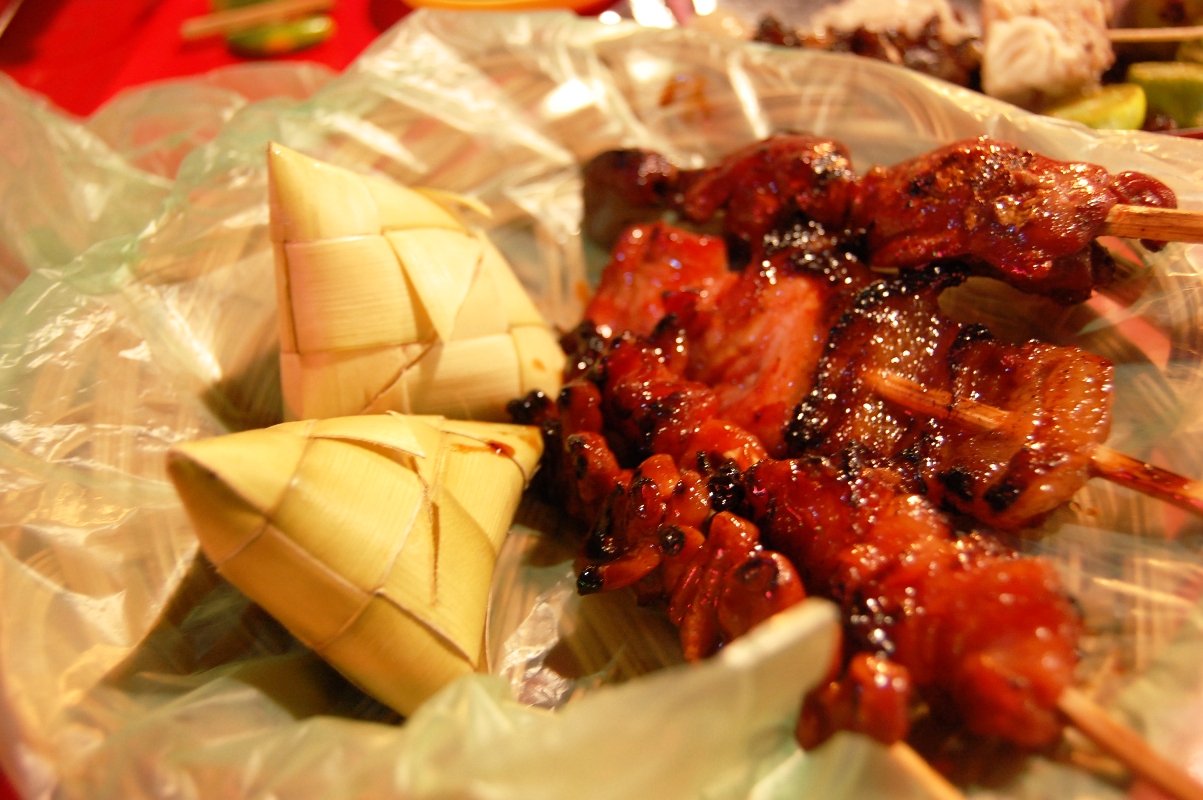 Inihaw
🇵🇭 PhilippinesGrilled meats and seafood, often on skewers, from the Philippines
Main dish, Lunch, Dinner
Inihaw
🇵🇭 PhilippinesGrilled meats and seafood, often on skewers, from the Philippines
Main dish, Lunch, Dinner
 Lentil soupVegan
🇪🇬 Egypt and 5 moreA hearty soup made from lentils, often with vegetables and spices
Soup, Lunch, Dinner
Lentil soupVegan
🇪🇬 Egypt and 5 moreA hearty soup made from lentils, often with vegetables and spices
Soup, Lunch, Dinner