
Poi
Samoan chilled dessert of mashed fruit and coconut milk
Poi is a sweet dish from Samoa made by mashing ripe fruit, usually banana or mango, and blending it with coconut milk. The mixture is served chilled, often in bowls or glasses, and is enjoyed as a dessert. Poi is a part of Samoan tradition and is distinct from other local desserts by its smooth, starch-free texture.
- Poi is a traditional Samoan dessert of mashed fruit and coconut milk
- Banana is the classic fruit, but mango is also used
- Poi is always served chilled, not hot
- It is not thickened with starch, unlike some other Samoan sweets
What is Poi?
Poi is a smooth, chilled dessert from Samoa, made by mashing ripe fruit such as banana or mango with coconut milk. The result is a creamy, sweet paste that is served cold, usually in bowls or glasses. Its texture is silky and it has a fresh, fruity flavor, with the richness of coconut milk balancing the natural sweetness of the fruit. Poi is not thickened with starch, making it lighter than some other Samoan sweets.
Where does Poi come from?
Poi comes from Samoa, where it has long been a traditional way to enjoy ripe fruit. Originally, bananas were the main ingredient, but other fruits like mango are also used. The dish reflects the local abundance of tropical fruit and coconut. Poi is related to other Polynesian desserts, but is distinct in its smooth, chilled form and lack of added starch. It is different from the eastern Polynesian poi, which is made from root vegetables.
How is Poi made?
To make poi, ripe bananas are peeled and mashed with water until smooth. Coconut milk or cream is mixed in to create a creamy texture. Traditionally, this was done by hand and served in coconut shell cups. Today, the fruit and coconut milk are often blended with cold water or ice, and flavorings like vanilla, lemon, lime, or sugar may be added. The mixture is poured into bowls or glasses and chilled before serving.
How and when is Poi eaten?
Poi is served as a dessert, typically after a meal. It is eaten cold, making it especially refreshing in Samoa's warm climate. Traditionally, it was enjoyed in coconut shell cups, but now it is more common to see it in bowls or glasses. Poi is an everyday treat rather than a festival food, and is sometimes compared to other Samoan desserts, though it stands out for its smooth, light texture.
Kinds of Poi
The classic version uses banana (poi fa‘i), but mango (poi mago) is also popular. Other fruits can be used depending on what is available. Modern recipes may include extra flavorings such as vanilla or citrus, and sometimes sugar for added sweetness. The method of preparation has shifted from hand-mashing to using blenders, but the essential character of the dish remains the same.
What Poi means
Poi is a familiar part of Samoan food culture, enjoyed as a simple, homemade dessert. It is distinct from other Samoan sweets because it is not thickened with starch and is always served cold. While not tied to specific festivals or religious events, poi reflects local tastes and the importance of fruit and coconut in Samoan daily life.
Questions people ask about Poi
What is poi made of?
Poi is made by mashing ripe fruit, usually banana or mango, and mixing it with coconut milk. Water and flavorings like vanilla, lemon, lime, or sugar may also be added.
Where does poi come from?
Poi is a traditional dessert from Samoa, reflecting the local use of tropical fruits and coconut.
How is poi different from other Samoan desserts?
Poi is not thickened with starch and is served cold, giving it a smooth, light texture unlike other Samoan desserts such as sua fa'i or supo esi.
How is poi served?
Poi is served chilled, often in bowls or glasses. Traditionally, it was served in cups made from coconut shells.
Are there different types of poi?
Yes, banana poi (poi fa‘i) is traditional, but mango poi (poi mago) is also common. Other fruits can be used as well.
Good reading and sources
The facts on this page come from the Wikipedia article "Poi (dessert)", written by its contributors and used under the CC BY-SA 4.0 licence, and from its Wikidata record (CC0). Thali rewrote the text in its own words, with AI assistance, and compares every page with the article to make sure no passage is copied. It may be reused under the same CC BY-SA 4.0 licence with a link back.
It may contain mistakes, and it is not dietary or allergy advice: recipes differ from cook to cook. If something is wrong, tell us. Last refreshed 2026-10-03.
More from Samoa
All the food of Samoa KavaVegan
🇻🇺 Vanuatu and 4 moreA traditional Pacific drink made from the root of the kava plant
Drink
KavaVegan
🇻🇺 Vanuatu and 4 moreA traditional Pacific drink made from the root of the kava plant
Drink
 Cha siu baoMeat叉燒包
🇨🇳 China and 2 moreCantonese steamed or baked buns filled with barbecue-flavored pork
Street food, Lunch, Snacks
'OtaiVegan
🇹🇴 Tonga and 1 moreA chilled fruit and coconut drink from Tonga and Samoa
Drink
Cha siu baoMeat叉燒包
🇨🇳 China and 2 moreCantonese steamed or baked buns filled with barbecue-flavored pork
Street food, Lunch, Snacks
'OtaiVegan
🇹🇴 Tonga and 1 moreA chilled fruit and coconut drink from Tonga and Samoa
Drink
Its cousins elsewhere
All sweets and desserts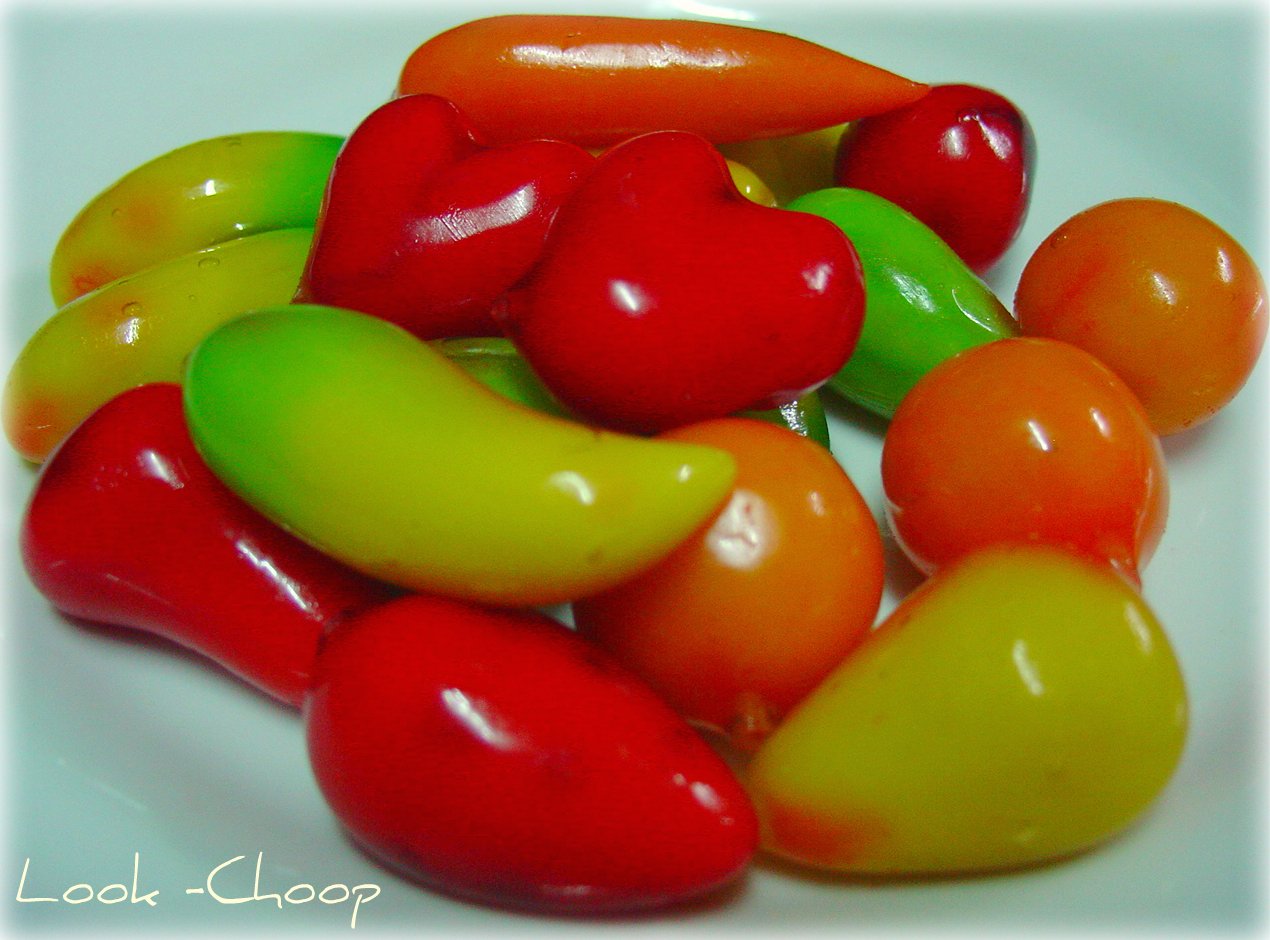 Luk chupVeganลูกชุบ
🇹🇭 ThailandThai sweets shaped and colored to look like tiny fruits and vegetables
Sweet or dessert, Snacks, Tea time
Luk chupVeganลูกชุบ
🇹🇭 ThailandThai sweets shaped and colored to look like tiny fruits and vegetables
Sweet or dessert, Snacks, Tea time
 SimaVegan
🇫🇮 FinlandFinnish sparkling lemon drink, lightly fermented and sweet
Drink, Snacks
SimaVegan
🇫🇮 FinlandFinnish sparkling lemon drink, lightly fermented and sweet
Drink, Snacks
 Habichuelas con dulceVegetarian
🇩🇴 Dominican RepublicDominican sweet dessert soup made from red beans, coconut milk and spices
Sweet or dessert, Snacks, Tea time
Ladob
🇸🇨 SeychellesSeychellois dish of plantain, sweet potato and coconut milk, sweet or savory
Main dish
Habichuelas con dulceVegetarian
🇩🇴 Dominican RepublicDominican sweet dessert soup made from red beans, coconut milk and spices
Sweet or dessert, Snacks, Tea time
Ladob
🇸🇨 SeychellesSeychellois dish of plantain, sweet potato and coconut milk, sweet or savory
Main dish