
Habichuelas con dulce
Dominican sweet dessert soup made from red beans, coconut milk and spices
Habichuelas con dulce is a sweet, creamy dessert from the Dominican Republic, made with red beans, coconut milk, evaporated milk, sweet potato, spices, raisins and sugar. It is especially popular during Easter and is often topped with milk cookies or casabe, a yuca flatbread. The dish is served cool and is a cherished part of Dominican holiday traditions.
- Traditional Dominican dessert made with red beans and coconut milk
- Especially popular during Easter celebrations
- Served cold and topped with milk cookies or casabe
- Flavored with cinnamon, nutmeg, and vanilla
- Sweet potato and raisins are common mix-ins
What is Habichuelas con dulce?
Habichuelas con dulce is a dessert soup from the Dominican Republic, made by simmering red beans with spices like cinnamon and nutmeg, then blending them into a smooth, sweet mixture. Coconut milk and evaporated milk are added for richness, along with chunks of sweet potato and raisins. The finished dish is creamy and lightly spiced, with a gentle sweetness and a hint of vanilla. It is usually garnished with milk cookies or casabe, a crisp flatbread made from yuca flour.
Where does Habichuelas con dulce come from?
The origins of habichuelas con dulce are uncertain. Some believe it was created by enslaved Africans in the Dominican Republic, noting its resemblance to Peru’s frejol colado, a sweet black bean dessert. Another theory links it to Turkish Ashure, a sweet bean pudding associated with fasting, brought by Ottoman immigrants. There is also a French connection, as French settlers in Santo Domingo may have introduced the custom of eating sweetened beans. Despite these theories, the exact beginnings of the dish remain unsettled.
How is Habichuelas con dulce made?
To make habichuelas con dulce, red beans are soaked and boiled until soft, then strained for a smooth texture. The beans are blended with evaporated milk, coconut milk, and sometimes condensed milk. Spices such as cinnamon, cloves, nutmeg, and vanilla are added, depending on family tradition. Sweet potato pieces, raisins, and a bit of butter are mixed in. The dessert is left to cool for several hours, allowing the flavors to meld, and is typically served chilled with cookies or casabe on top.

How and when is Habichuelas con dulce eaten?
Habichuelas con dulce is most often enjoyed during Easter in the Dominican Republic, when families prepare large batches to share. It is served as a snack or with afternoon tea, usually cold. The dish is commonly topped with milk cookies or casabe, which add a crunchy contrast to the creamy soup. Eating it is a social tradition, with bowls passed around among relatives and neighbors during the holiday season.
Kinds of Habichuelas con dulce
While the core ingredients remain the same, some families add ginger or cloves for extra flavor, or use condensed milk for added sweetness. The type of sweet potato can vary, and toppings may differ—some prefer traditional milk cookies, while others use casabe. The balance of spices and sweetness often reflects personal or regional tastes.
What Habichuelas con dulce means
Habichuelas con dulce is a cherished part of Dominican Easter celebrations, symbolizing family and community. Its preparation and sharing are important holiday rituals, and the dish reflects the island’s blend of African, European, and indigenous influences. Though its origins are debated, it stands as a unique marker of Dominican identity and festive life.
When Habichuelas con dulce is on the table
Questions people ask about Habichuelas con dulce
What is habichuelas con dulce made of?
It is made from red beans, coconut milk, evaporated milk, sweet potato, cinnamon, nutmeg, raisins, sugar, salt, and vanilla. Some recipes also include cloves, ginger, or condensed milk.
Where does habichuelas con dulce come from?
Habichuelas con dulce is from the Dominican Republic, where it is a traditional dessert, especially during Easter.
When is habichuelas con dulce usually eaten?
It is most commonly prepared and eaten during the Easter holiday, often as a snack or with afternoon tea.
How is habichuelas con dulce served?
It is served cold, typically garnished with milk cookies or casabe, a yuca flatbread.
Is habichuelas con dulce vegetarian?
Yes, it is vegetarian, as it contains no meat or fish, but does include dairy products like evaporated milk.
Good reading and sources
The facts on this page come from the Wikipedia article "Habichuelas con dulce", written by its contributors and used under the CC BY-SA 4.0 licence, and from its Wikidata record (CC0). Thali rewrote the text in its own words, with AI assistance, and compares every page with the article to make sure no passage is copied. It may be reused under the same CC BY-SA 4.0 licence with a link back.
It may contain mistakes, and it is not dietary or allergy advice: recipes differ from cook to cook. If something is wrong, tell us. Last refreshed 2026-10-03.
More from the Dominican Republic
All the food of the Dominican Republic Pastelón
🇩🇴 Dominican Republic and 1 moreLayered casserole of sweet plantains and seasoned meat from Puerto Rico and the Dominican Republic
Main dish, Lunch, Dinner
Pastelón
🇩🇴 Dominican Republic and 1 moreLayered casserole of sweet plantains and seasoned meat from Puerto Rico and the Dominican Republic
Main dish, Lunch, Dinner
 MazamorraKaguyjy
🇪🇸 Spain and 10 moreTraditional corn-based dessert or drink found across Spain and Latin America
Drink, Breakfast, Lunch
MazamorraKaguyjy
🇪🇸 Spain and 10 moreTraditional corn-based dessert or drink found across Spain and Latin America
Drink, Breakfast, Lunch
 MofongoMeat
🇵🇷 Puerto Rico and 3 moreMashed green plantains with pork and garlic, shaped into a ball and served hot
Main dish, Lunch, Dinner
MofongoMeat
🇵🇷 Puerto Rico and 3 moreMashed green plantains with pork and garlic, shaped into a ball and served hot
Main dish, Lunch, Dinner
 MangúVegetarian
🇩🇴 Dominican RepublicMashed green plantains topped with pickled onions, often served with cheese, eggs, and salami
Main dish, Breakfast, Lunch
MangúVegetarian
🇩🇴 Dominican RepublicMashed green plantains topped with pickled onions, often served with cheese, eggs, and salami
Main dish, Breakfast, Lunch
Its cousins elsewhere
All sweets and desserts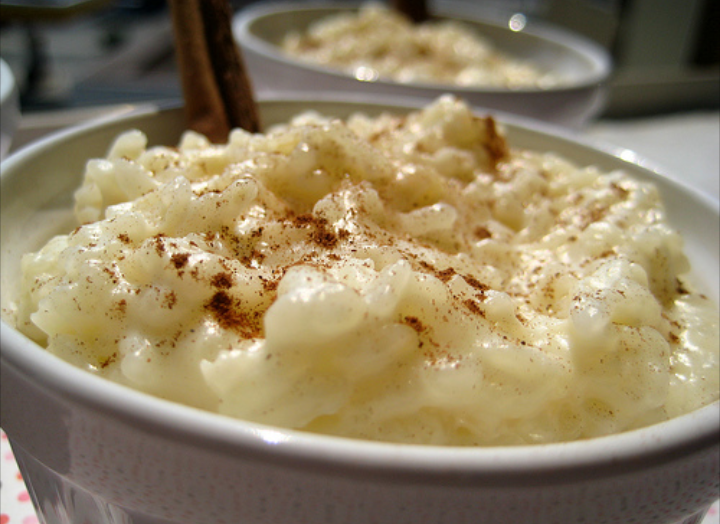 Rice pudding
🇮🇳 India and 4 moreSweetened rice cooked in milk, found in many forms worldwide
Sweet or dessert, Breakfast, Lunch
Rice pudding
🇮🇳 India and 4 moreSweetened rice cooked in milk, found in many forms worldwide
Sweet or dessert, Breakfast, Lunch
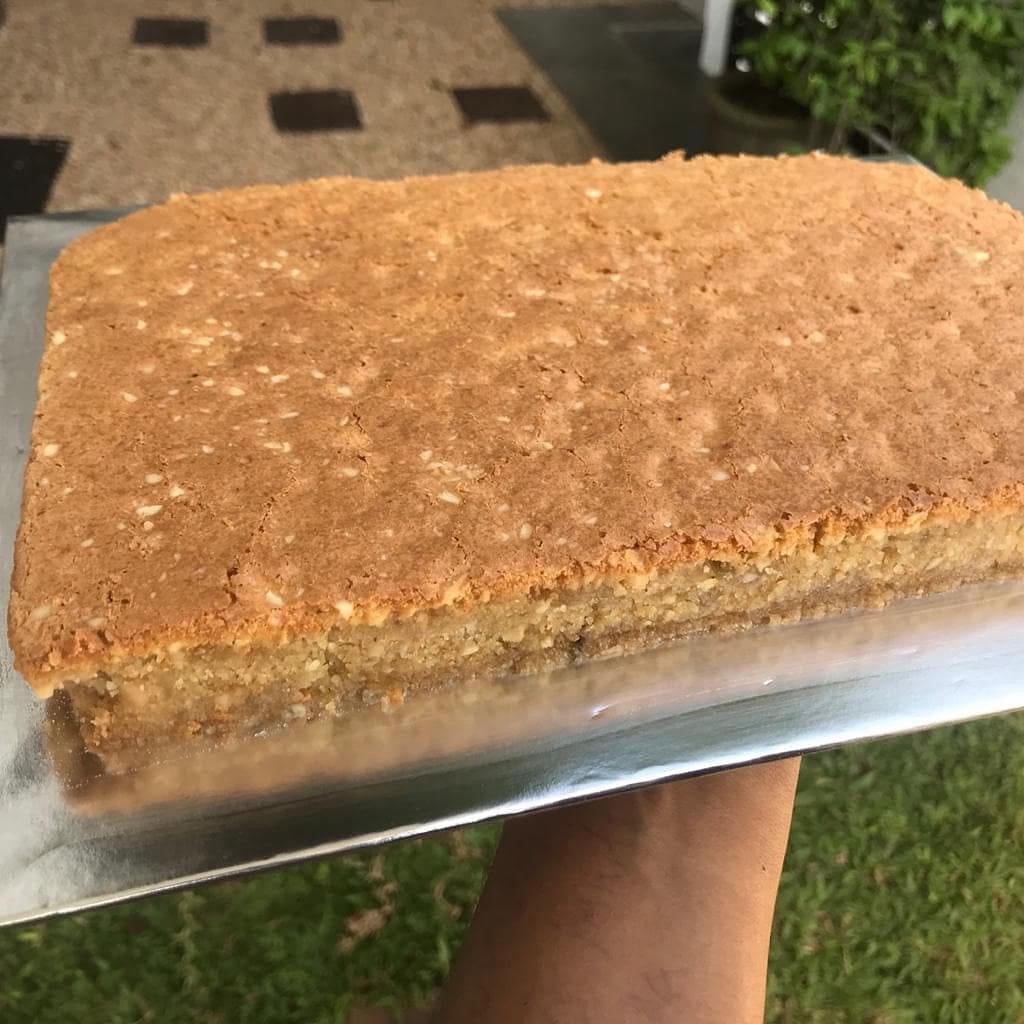 Love cakeVegetarian
🇱🇰 Sri LankaSri Lankan semolina cake with cashews, pumpkin preserve, and aromatic spices
Sweet or dessert
Love cakeVegetarian
🇱🇰 Sri LankaSri Lankan semolina cake with cashews, pumpkin preserve, and aromatic spices
Sweet or dessert
 Apple pieVegetarian
🇬🇧 United Kingdom and 5 moreA baked pie with apple filling and pastry crust, served hot or cold
Sweet or dessert, Snacks
Apple pieVegetarian
🇬🇧 United Kingdom and 5 moreA baked pie with apple filling and pastry crust, served hot or cold
Sweet or dessert, Snacks