
Prinskorv
Small Swedish sausages of pork and veal, fried and served at festive meals
Prinskorv are short, spiced sausages from Sweden, made with pork and veal in sheep casings. They are typically pan-fried and served with mustard, especially during Christmas and midsummer celebrations. These sausages are a staple on Swedish holiday tables, often appearing alongside other traditional dishes.
- Made from pork and veal, stuffed in sheep casing
- Created in 1805 by Viennese butcher Georg Lahner
- Decorative cuts on the ends open when fried
- Essential at Swedish Christmas and midsummer feasts
What is Prinskorv?
Prinskorv are small, plump sausages made from a blend of pork and veal, seasoned with spices and encased in sheep intestine. Their ends are often cut in a decorative way that opens up when cooked, giving them a crown-like look. When fried, they develop a crisp skin and a juicy, savory interior. They are usually served hot, often with a side of mustard for dipping. These sausages are bite-sized and easy to eat, making them popular at gatherings and festive meals.
Where does Prinskorv come from?
The sausage was first made in 1805 by Georg Lahner, a butcher from Vienna. Over time, it became a beloved food in Sweden, where it is now closely tied to holiday celebrations. Its name, meaning 'prince sausage,' reflects its special status on the Swedish table. Though its roots are Austrian, it is now considered a classic part of Swedish cuisine, especially during Christmas.
How is Prinskorv made?
To make prinskorv, pork and veal are ground and mixed with spices, then stuffed into sheep casings. The sausages are cut into short links, and the ends are snipped to create a flared, crown-like appearance. They are typically fried in a pan until browned and cooked through, which gives them a crisp surface and tender inside. Prinskorv are served hot, often just after frying.
How and when is Prinskorv eaten?
Prinskorv are most often eaten during festive occasions in Sweden, especially at Christmas and midsummer feasts. They are a key part of the julbord, the traditional Swedish Christmas buffet, and are also enjoyed at midsummer parties in the south of Sweden. Mustard is the usual accompaniment. Prinskorv are served alongside a variety of other dishes, and their small size makes them easy to share.
Kinds of Prinskorv
While the classic prinskorv uses pork and veal, some versions may use different spice blends or proportions of meat. The sausage is almost always made in small links and fried, but the way it is served can vary depending on the occasion. At different holiday tables, it may be paired with a range of other traditional Swedish foods.
What Prinskorv means
Prinskorv holds a special place in Swedish holiday traditions, especially at Christmas. Demand for these sausages rises sharply in December, and shops often stock up to meet the seasonal need. They are an expected part of the julbord, symbolizing festivity and togetherness. Prinskorv also appears at midsummer celebrations, showing its role in both winter and summer festivities.
When Prinskorv is on the table
Questions people ask about Prinskorv
What is prinskorv made of?
Prinskorv is made from a mixture of pork and veal, seasoned with spices and stuffed into sheep casings. The sausages are cut short and often have decorative ends that open up when cooked.
Where does prinskorv come from?
Prinskorv was first created by a Viennese butcher in 1805, but it is now a traditional food in Sweden, especially known for its role in Swedish holiday meals.
How is prinskorv usually cooked?
The sausages are typically fried in a pan until they are browned and cooked through. This gives them a crisp outside and juicy inside, and they are usually served hot.
When is prinskorv most often eaten?
Prinskorv is especially popular during Christmas and midsummer celebrations in Sweden, where it is a key part of festive meals like the julbord.
What does prinskorv look like?
They are small, plump sausages with crown-shaped ends that open up when fried, giving them a distinctive appearance on the plate.
Good reading and sources
The facts on this page come from the Wikipedia article "Prinskorv", written by its contributors and used under the CC BY-SA 4.0 licence, and from its Wikidata record (CC0). Thali rewrote the text in its own words, with AI assistance, and compares every page with the article to make sure no passage is copied. It may be reused under the same CC BY-SA 4.0 licence with a link back.
It may contain mistakes, and it is not dietary or allergy advice: recipes differ from cook to cook. If something is wrong, tell us. Last refreshed 2026-10-03.
More from Sweden
All the food of Sweden VodkaVeganwódka
🇷🇺 Russia and 5 moreA clear spirit distilled from grains or potatoes, known for its neutral taste
Drink
VodkaVeganwódka
🇷🇺 Russia and 5 moreA clear spirit distilled from grains or potatoes, known for its neutral taste
Drink
 MarzipanVegetarian
🇩🇪 Germany and 5 moreSweet almond paste shaped or used in cakes, especially at Christmas and weddings
Sweet or dessert, Snacks, Tea time
MarzipanVegetarian
🇩🇪 Germany and 5 moreSweet almond paste shaped or used in cakes, especially at Christmas and weddings
Sweet or dessert, Snacks, Tea time
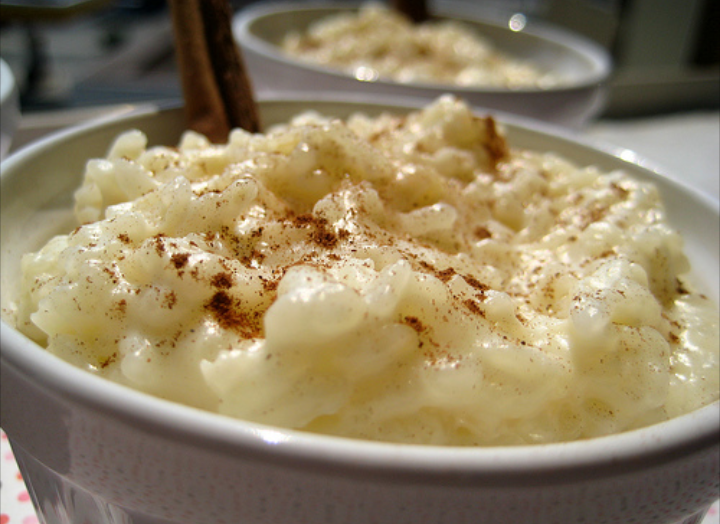 Rice pudding
🇮🇳 India and 4 moreSweetened rice cooked in milk, found in many forms worldwide
Sweet or dessert, Breakfast, Lunch
Rice pudding
🇮🇳 India and 4 moreSweetened rice cooked in milk, found in many forms worldwide
Sweet or dessert, Breakfast, Lunch
 Smörgåsbord
🇸🇪 Sweden and 2 moreA Swedish buffet meal with a spread of cold and hot dishes
Main dish, Lunch, Dinner
Smörgåsbord
🇸🇪 Sweden and 2 moreA Swedish buffet meal with a spread of cold and hot dishes
Main dish, Lunch, Dinner
Its cousins elsewhere
All sausages and cured foods TocinoMeat
🇵🇭 Philippines and 5 moreCured or fried pork enjoyed in Spain, the Philippines, and the Caribbean
Main dish, Breakfast, Lunch
TocinoMeat
🇵🇭 Philippines and 5 moreCured or fried pork enjoyed in Spain, the Philippines, and the Caribbean
Main dish, Breakfast, Lunch
 Nem chuaMeat
🇻🇳 Vietnam and 2 moreFermented pork, garlic and chili, wrapped in leaves and eaten cold
Sausage or cured food, Snacks
Nem chuaMeat
🇻🇳 Vietnam and 2 moreFermented pork, garlic and chili, wrapped in leaves and eaten cold
Sausage or cured food, Snacks
 BoereworsMeat
🇿🇦 South Africa and 4 moreSouthern African sausage made from coarsely ground meat and spices
Sausage or cured food, Lunch, Dinner
BoereworsMeat
🇿🇦 South Africa and 4 moreSouthern African sausage made from coarsely ground meat and spices
Sausage or cured food, Lunch, Dinner
 Chả lụaMeat
🇻🇳 VietnamVietnamese pork sausage steamed in banana leaves
Sausage or cured food
Chả lụaMeat
🇻🇳 VietnamVietnamese pork sausage steamed in banana leaves
Sausage or cured food